Just for Kicks
2003
No user ratings available yet
Representation score: 3.3 out of 10
Representation Score
Limited
1970
Director
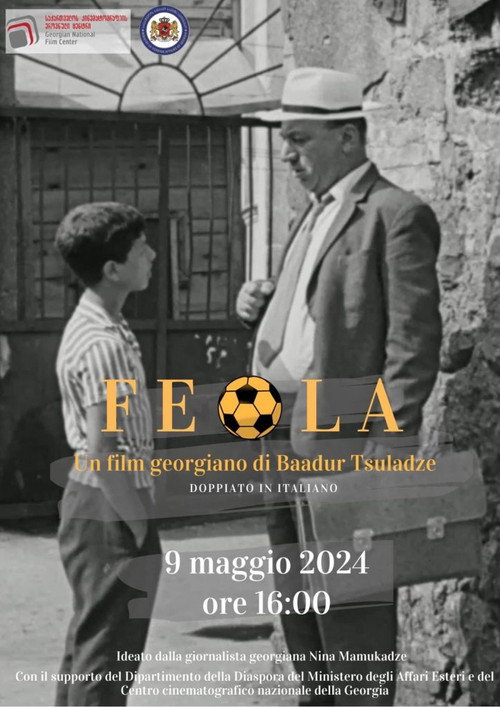
Baadur Tsuladze
Runtime
35 minutes
Average Rating
No ratings yetNew Showbiz Analysis
Feola is a period-specific social comedy that adheres closely to the narrative conventions of 1970s Georgia. The focus is on a male protagonist managing a children's soccer team, which centers the story on traditional leadership dynamics. The film lacks complexity in representing diverse identities, such as gender identities, multi-ethnic casting, or disability. It functions as a localized comedy rooted in the social norms of its era. While the film highlights communal activity, it does not actively challenge social hierarchies or provide a modern framework for identity-based storytelling.
Category Breakdown
The film does not include any LGBTQ+ identities or same-sex relationships. It follows traditional social structures typical of 1970s Soviet-era filmmaking.
The story focuses on a male leader. It is unclear whether the film challenges traditional gender roles or reinforces them.
The cast likely reflects a homogeneous ethnic group consistent with its Georgian origin. There is no indication of intentional multi-ethnic casting.
The story emphasizes communal responsibility through collective activities. However, it lacks a deeper critique of traditional institutions to enhance its cultural depth.
There is no mention of characters with disabilities. The synopsis does not indicate how disability is portrayed or utilized.
Present on Screen
Limited or Absent
Official Synopsis
A man is put in charge of organizing a children's soccer team, but he doesn't know anything about the sport.
2003
1976
2010
1984

1977
1994

2011

2005
No reviews yet. Be the first to share your thoughts on this movie!
Use the rating form above to leave a star rating and optional review.