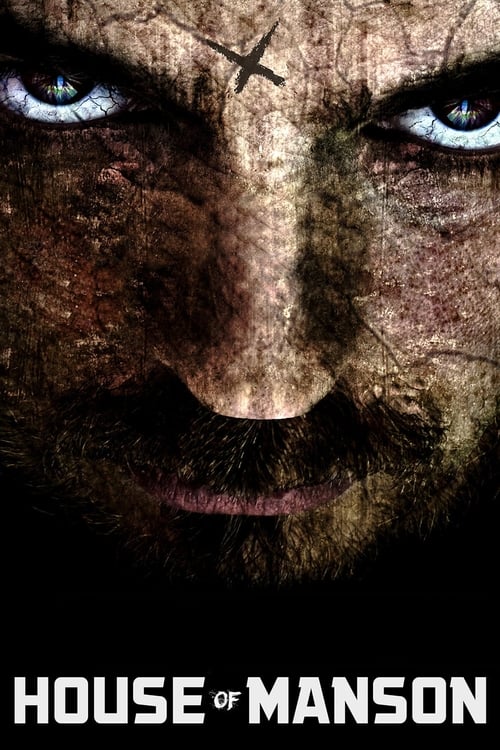
Manson
2009
No user ratings available yet
Representation score: 2.8 out of 10
Representation Score
Minimal
1971
XDirector
Frank Howard
Runtime
82 minutes
Average Rating
No ratings yetNew Showbiz Analysis
The Other Side of Madness serves as a grim historical account of the Tate-LaBianca murders. Its narrative is inherently tied to the homogeneous social realities of the late 1960s. The film lacks diverse representation, presenting a racially and culturally narrow view of the era. Gender is depicted through the lens of exploitation and cult power dynamics rather than any subversion of traditional roles. Overall, the work highlights the breakdown of social order without providing meaningful representation for diverse groups.
Category Breakdown
The film does not include any visible LGBTQ+ characters or themes. It focuses solely on the cult dynamics and criminal activities of the Manson Family.
Gender is shown through the power structure within the Manson Family. Female members are portrayed as being controlled by a central male figure.
The film primarily features a predominantly white, Anglo-Saxon cast. There is little evidence of non-white individuals playing significant roles in the central narrative.
The film examines the collapse of 1960s counter-culture and social institutions. It uses Charles Manson's music to depict a rejection of traditional Western morality.
There is no indication that neurodivergence or physical disabilities play significant roles in the narrative or character development.
Present on Screen
Limited or Absent
Official Synopsis
A mixture of documentary footage and re-enactment scenes, some filmed on the actual locations, of the infamous Tate-LaBianca murders committed by the gang known as the Manson Family. Features music by Charles Manson.
2009
2015
1973
1976
2009
1979
1997
2014
No reviews yet. Be the first to share your thoughts on this movie!
Use the rating form above to leave a star rating and optional review.