
The Black Dahlia Haunting
2012
No user ratings available yet
Diversity score: 4.7 out of 10
2014
Director
Brandon Slagle
Runtime
98 minutes
Average Rating
No ratings yetSynopsis
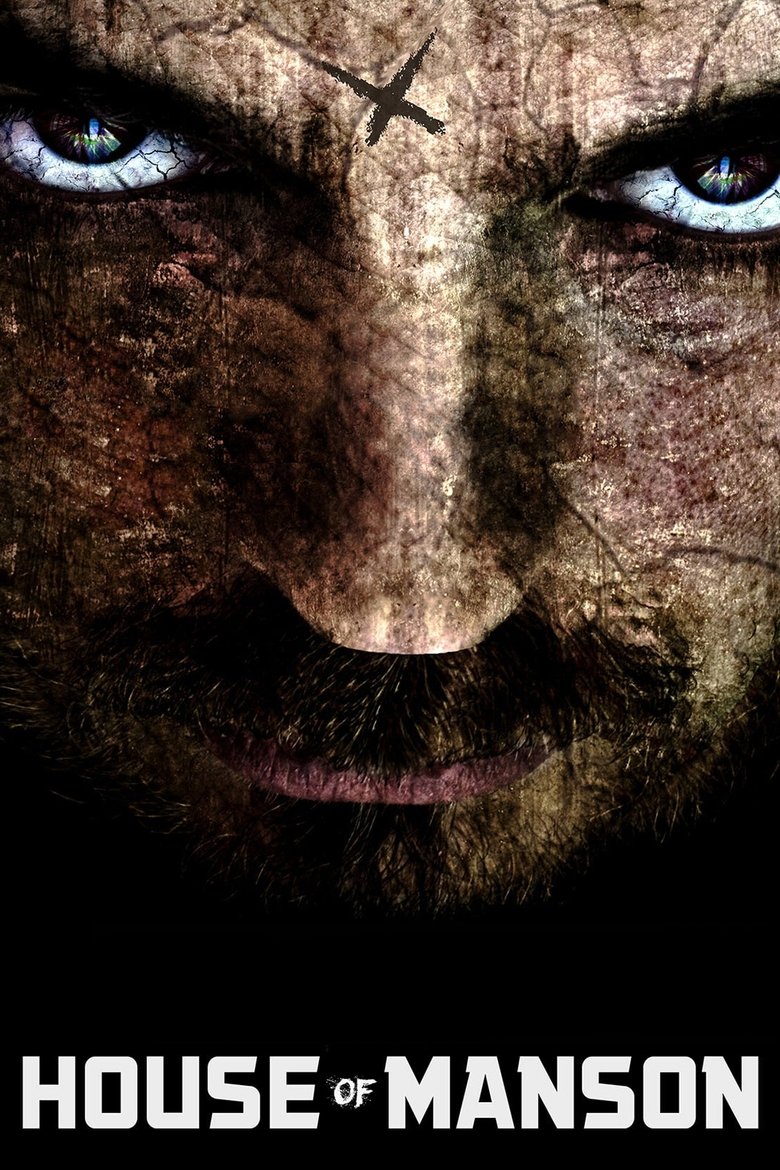
An unflinching chronicle of Charles Manson, the ex-con who was able to amass a dedicated following of young people in the late 1960s. The era of peace and love was ultimately brought to its knees following his orchestration of the notorious Sharon Tate and LaBianca murders, which sent a shockwave throughout the U.S.A and the world. To this very day, Manson remains a fascinating figure in today's world and remains incarcerated... Prepare to enter the mental and depraved world of Charles Manson.
Overall Score
Fair
Category Breakdown
LGBTQ+ Representation
The narrative focuses on communal living and psychological manipulation within a cult dynamic. There is no explicit evidence of intentional LGBTQ+ character development or critiques of heteronormativity.
Gender Representation
Women in the Manson Family demonstrate agency through their involvement in the central crimes. However, they are often framed through the lens of psychological subjugation to a male figurehead.
Racial & Ethnic Diversity
The story is tied to the racial tensions of the late 1960s. However, the narrative lacks evidence of a non-white majority cast or intentional race-bending.
Religious & Cultural Diversity
The film deconstructs mid-century American idealism and the 'peace and love' era. It explores the rejection of mainstream societal norms and the sanctity of the nuclear family.
Disability Representation
The plot relies heavily on themes of mental health and psychological instability. These elements risk serving as mere plot devices for horror rather than providing character agency.
Strengths
Areas for Improvement
AI Analysis
House of Manson functions as a psychological crime drama that prioritizes the deconstruction of historical social structures over demographic inclusion. The film finds its strength in exploring the collapse of 1960s idealism and the subversion of traditional domestic hierarchies. However, the work lacks intersectional depth. Representation remains limited, as many themes—such as mental health and gender roles—are filtered through the lens of cult subjugation and psychological horror rather than nuanced character studies. Ultimately, the film serves as a study of anti-social behavior and the volatility of identity-driven movements, though it fails to provide specialized representation for marginalized groups.
No reviews yet. Be the first to share your thoughts on this movie!
Use the rating form above to leave a star rating and optional review.