
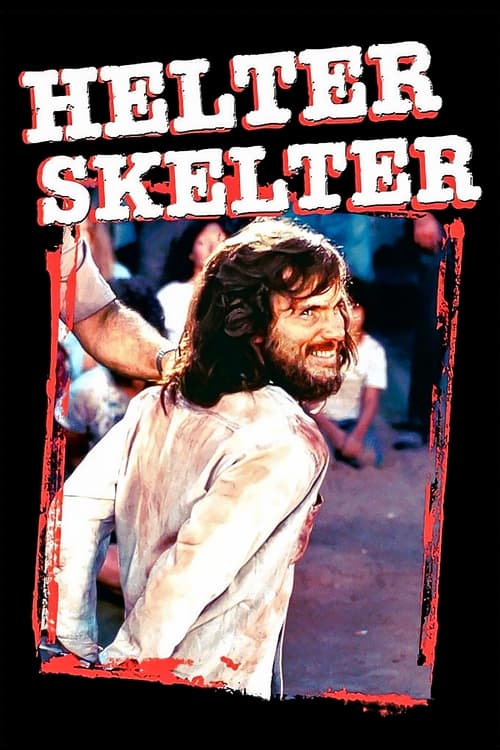
Helter Skelter
2004
No user ratings available yet
Representation score: 4.7 out of 10
Representation Score
Limited
1976
Not RatedDirector
Tom Gries
Runtime
184 minutes
Average Rating
No ratings yetNew Showbiz Analysis
Helter Skelter serves as a crime drama capturing the cultural upheaval of the late 1960s. It documents the erosion of traditional Western values and the emergence of radical, non-institutional social structures. However, the film lacks depth in representing diverse identities. Its focus on the historical racial homogeneity and the victimization of women limits its progressive impact. Ultimately, the film functions as a cautionary tale, portraying the subversion of norms through a lens of horror and criminal pathology.
Category Breakdown
The film does not include any LGBTQ+ identities or narratives. It focuses solely on the power dynamics between the cult leader and his followers.
Women in the film are shown operating outside traditional maternal roles in a communal setting. However, their ability to act is significantly compromised by the cult leader's psychological dominance.
The cast is predominantly white, reflecting the historical reality of the Manson Family and the 1960s counterculture movement. The film adheres to a traditional portrayal of this social group.
The film captures the era's critique of established authority and traditional family and religious structures. It highlights the breakdown of Western institutions and the rejection of conventional social norms.
The film does not depict neurodivergence or physical disabilities. Psychological instability is portrayed as criminal behavior rather than exploring lived experiences.
Present on Screen
Limited or Absent
Official Synopsis
The investigation of two horrific mass murders leads to the capture and trial of the psychotic pseudo-hippie Charles Manson and his "family".
2004

1971

2014
1997

2016

1971

2009
1971
No reviews yet. Be the first to share your thoughts on this movie!
Use the rating form above to leave a star rating and optional review.