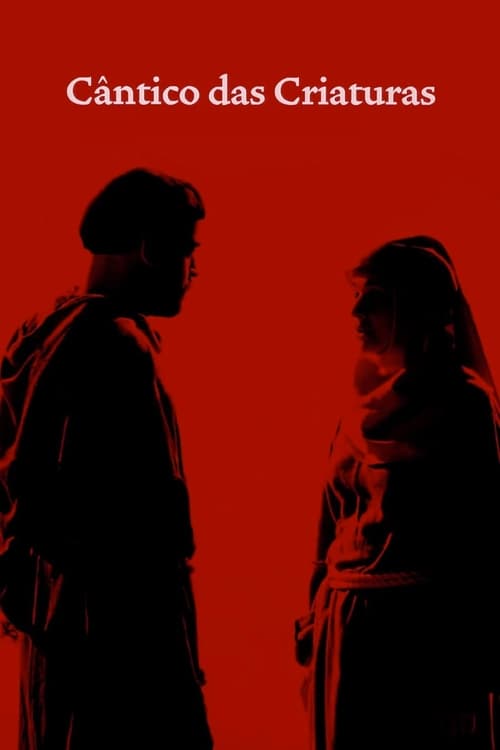
Canticle of All Creatures
2006
No user ratings available yet
Representation score: 5.0 out of 10
Representation Score
Fair
1985
TV-GDirector
Rodney Bennett
Runtime
115 minutes
Average Rating
No ratings yetNew Showbiz Analysis
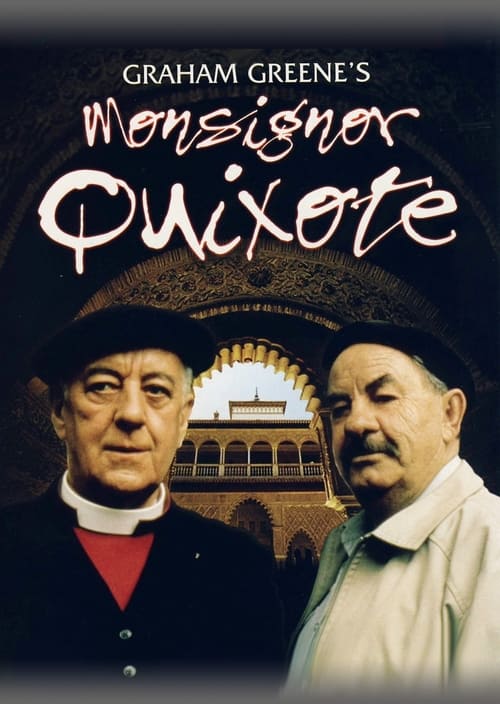
Monsignor Quixote is a character-driven study of ideological pluralism rather than a showcase for modern identity-based representation. It finds its depth in the friction between religious tradition and secular political radicalism. The film succeeds by deconstructing the perceived conflict between the Church and the State, emphasizing the human connection between a priest and a mayor. However, it remains limited by its traditional focus on patriarchal structures and a lack of visible diversity in gender and sexual orientation.
Category Breakdown
The film does not include explicit representations of LGBTQ+ identities or relationships that challenge traditional heterosexual norms. Instead, it focuses on the platonic relationship between a priest and a mayor.
The story centers around a male-dominated dialogue between two prominent figures. There is little evidence of women taking significant roles or challenging traditional gender hierarchies.
Set in Spain, the film offers a non-Anglo-Saxon Mediterranean context. However, it does not provide specific examples of multi-ethnic or diverse casting.
The film excels by exploring the tension between Catholic faith and Communist ideology, disrupting traditional moral hierarchies through a nuanced examination of belief.
There is no information about the inclusion or portrayal of characters with physical or neurodivergent disabilities.
Present on Screen
Limited or Absent
Official Synopsis
Sir Alec Guiness stars with Leo McKern in the story of a friendship between a Catholic priest and a Communist Mayor. Together they travel from their remote village to Madrid and back exploring their friendship, the demands of belief and constancy of faith. This lavish production filmed entirely on location captures the wit, warmth, and vitality that make the original novel by Graham Greene a unique work of literature.
2006
1950
1985
1969
1969
1963
1986
1944
No reviews yet. Be the first to share your thoughts on this movie!
Use the rating form above to leave a star rating and optional review.