
The Bells of St. Mary's
1945
No user ratings available yet
Representation score: 1.1 out of 10
Representation Score
Limited
1963
NRDirector
Ralph Nelson
Runtime
94 minutes
Average Rating
No ratings yetNew Showbiz Analysis
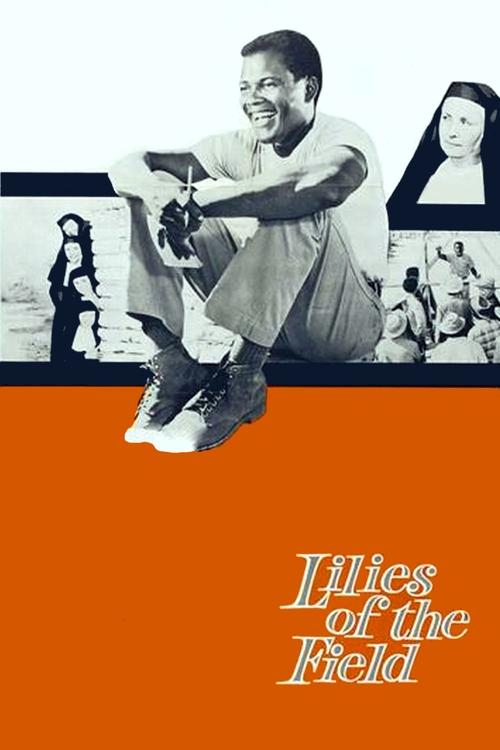
Lilies of the Field stands as a landmark of 1960s cinema by placing a Black man at the center of its narrative. By giving the protagonist significant influence and expertise, the film challenges the racial status quo and systemic prejudices of the American Southwest. However, the film remains tied to the social traditions of its time. It adheres to conventional gender roles and relies on a religious framework that reinforces existing institutional structures without critique. The tension between its progressive racial centering and its adherence to traditional Western moral and gendered frameworks results in a complex, mid-century profile.
Category Breakdown
The film does not include any LGBTQ+ characters or non-cisgender identities. The social setting is strictly traditional and assumes everyone is straight and cisgender.
The female lead manages her farm with significant influence but is often portrayed through economic struggles. The story relies heavily on mid-century stereotypes of masculine utility and physical labor.
The film is highly progressive for its time by centering a Black protagonist with significant influence. It challenges typical racial hierarchies by making his skills and moral strength the driving force of the plot.
The story is deeply rooted in traditional Christian themes and the dignity of labor. It reinforces religious institutions without questioning them, grounding its morality in a cohesive faith-based structure.
There are no significant depictions of visible or invisible disabilities that serve as central narrative drivers or character studies.
Present on Screen
Limited or Absent
Official Synopsis
An unemployed construction worker heading out west stops at a remote farm in the desert to get water when his car overheats. The farm is being worked by a group of East European Catholic nuns, headed by the strict mother superior, who believes the man has been sent by God to build a much needed church in the desert.
1945
1979
1947

1944

1949

1947

1971
1959
No reviews yet. Be the first to share your thoughts on this movie!
Use the rating form above to leave a star rating and optional review.