
Weekend at Dunkirk
1964
No user ratings available yet
Representation score: 4.0 out of 10
Representation Score
Fair
2005
Director
Philippe Venault
Runtime
96 minutes
Average Rating
No ratings yetNew Showbiz Analysis
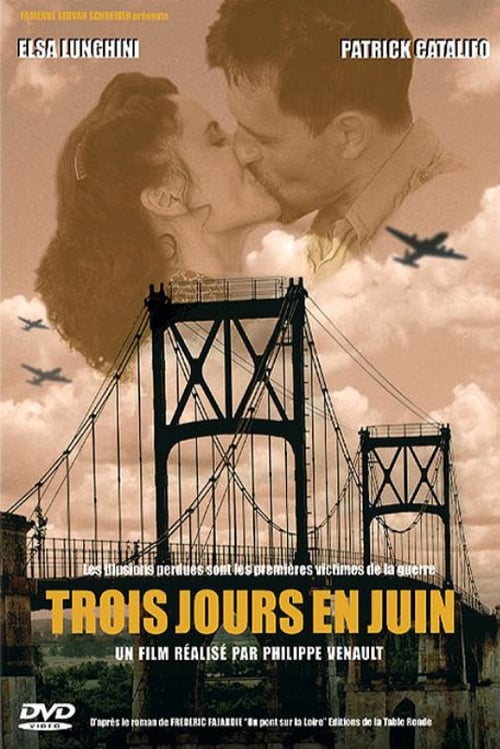
Trois jours en juin stands out by centering colonial soldiers within a traditional war drama. By focusing on Senegalese riflemen, the film challenges the standard Eurocentric depiction of the 1940 French military collapse. However, the film remains anchored in a traditional masculine framework, lacking gender diversity and representation of LGBTQ+ identities or characters with disabilities. Its strength lies in its thematic subversion of racial clichés, while adhering to conventional gender and social structures typical of historical war cinema.
Category Breakdown
The film does not include any explicit references to LGBTQ+ identities or dynamics. The narrative focuses on the immediate survival and military resistance of the period.
The story centers on a male-dominated military hierarchy led by Henri Dragance. There are no indications of female characters who play a significant role in driving the story or the subversion of traditional gender roles.
By centering Senegalese riflemen, the film challenges Eurocentric resistance clichés. It portrays colonial soldiers as central heroes, disrupting the image of a homogeneous French military.
The film critiques established military hierarchies by showing senior officers abandoning their duties. It avoids triumphalist clichés, offering a somber, deconstructed view of national duty.
There is no information regarding the portrayal of physical or neurodivergent disabilities within the narrative.
Present on Screen
Limited or Absent
Official Synopsis
June 1940. While the Germans advance inexorably on the French territory, the army is in full debacle. While the top brass played "sauve qui peut", a handful of French soldiers desperately resisted on the banks of the Loire. On one side, a company of Senegalese riflemen and a few French soldiers, on the other side, the armored tanks of the Wehrmarcht. An act with no real future, it was considered heroic by some and useless by others. But for their leader, Henri Dragance, there was no alternative but to resist or die.
1964
2015
1972
1974

2017
1967
1943
2025
No reviews yet. Be the first to share your thoughts on this movie!
Use the rating form above to leave a star rating and optional review.