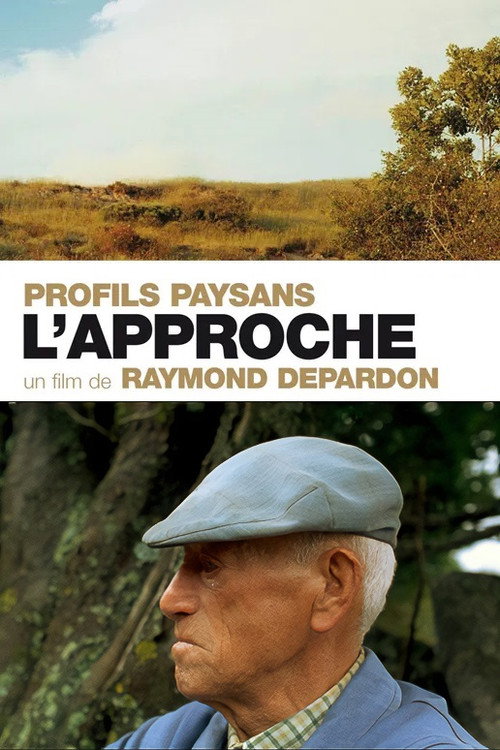
Profiles Farmers: The Approach
2001
No user ratings available yet
Representation score: 0.9 out of 10
Representation Score
Minimal
2002
Director
Raymond Depardon
Runtime
90 minutes
Average Rating
No ratings yetNew Showbiz Analysis
Raymond Depardon’s documentary-style approach emphasizes historical realism and literary accuracy over modern diverse representation. The film serves as a focused study of desire and human instincts within a specific historical context. The narrative structure delves into the complexities of deception and rural life. However, it operates within conventional demographic and social frameworks without challenging broader societal hierarchies. While the film provides a nuanced examination of gendered power dynamics, it remains confined by its adherence to the homogeneous social structures of 1970s rural France.
Category Breakdown
The film centers on a relationship that assumes everyone is straight or cisgender. It does not include any non-conforming gender or sexual identities or challenge the idea that everyone is straight or cisgender.
The film looks at power dynamics through a cynical view of seduction. It shifts the focus from traditional courtship to the predatory nature of the male character and the changing role of the female character.
Set in the French countryside, the film has a cast made up almost entirely of white actors. It stays true to the historical and social context of the time, which limits the variety of ethnic backgrounds.
This film presents a secular, naturalist view of human behavior. While it avoids a singular religious morality, it does not question Western institutions or capitalism.
The film does not portray any visible or invisible disabilities as central to the story or character development.
Present on Screen
Limited or Absent
Official Synopsis
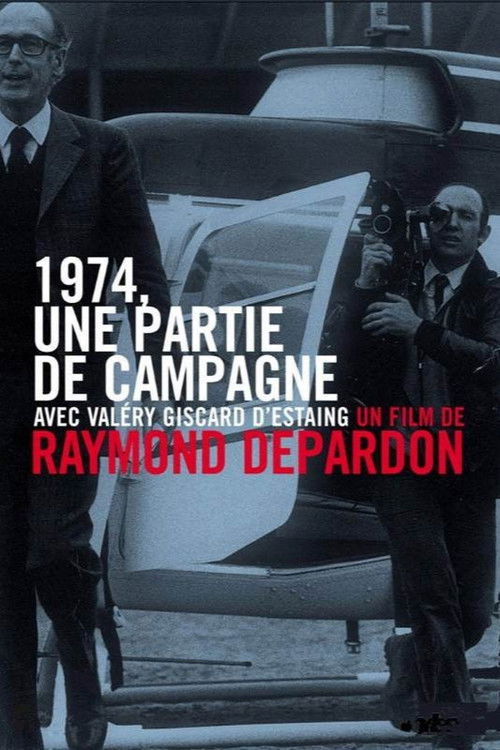
Following the 1974 French presidential campaign with Valéry Giscard d’Estaing.
2001

1961

2017

2017

1974

2010

2012

1979
No reviews yet. Be the first to share your thoughts on this movie!
Use the rating form above to leave a star rating and optional review.