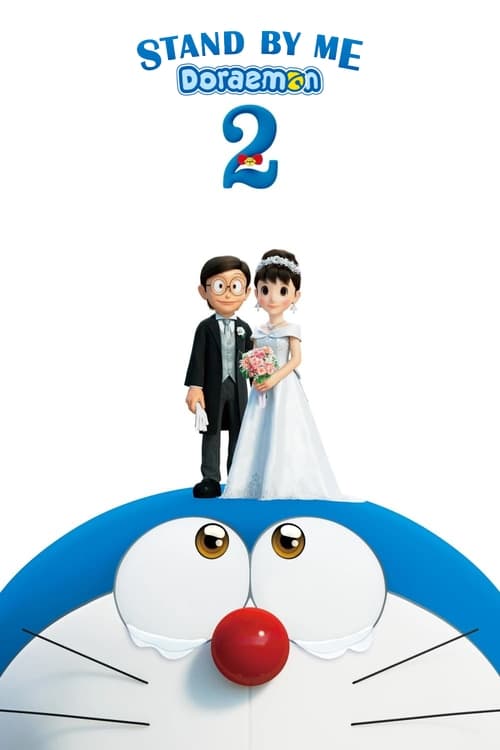
Stand by Me Doraemon 2
2020
No user ratings available yet
Representation score: 2.8 out of 10
Representation Score
Limited
2014
TV-PGDirector
Takashi Yamazaki, Ryuichi Yagi
Runtime
94 minutes
Average Rating
No ratings yetNew Showbiz Analysis
Stand by Me Doraemon is a polished, nostalgic reflection of a specific era and social environment. It prioritizes sentimentality and faithfulness to its source material over introducing layered complexities or progressive narrative disruptions. The film’s structure relies on traditional storytelling elements, such as the sanctity of family and friendship. By preserving a specific cultural atmosphere, it avoids challenging systemic hierarchies or introducing diverse perspectives. Ultimately, the film offers a faithful adaptation of classic character dynamics. It functions as a localized, culturally specific experience that reinforces established social roles rather than subverting them.
Category Breakdown
The film sticks to the assumption that everyone is straight or cisgender. Characters have platonic bonds and romantic interests focused on opposite genders, with no visible LGBTQ+ identities.
The story follows conventional gender roles. Nobita is shown as vulnerable and dependent, while Shizuka is portrayed as a supportive, stabilizing figure within traditional roles.
The setting is an ethnically uniform depiction of 1970s Japanese domestic life. It reflects a localized cultural context without incorporating multicultural elements or non-human metaphors to explore broader diversity.
The narrative highlights traditional social structures and the importance of the family unit. It focuses on universal themes of childhood and time without challenging established social orders.
There are no characters with explicit physical or sensory disabilities. While the protagonist faces incompetence and a lack of control, these are presented as typical character flaws rather than empowered disability portrayals.
Present on Screen
Limited or Absent
Official Synopsis
Sewashi and Doraemon find themselves way back in time and meet Nobita. It is up to Doraemon to take care of Nobita or else he will not return to the present.
2020
2009
2006
1989

1988
2004
2007
2025
No reviews yet. Be the first to share your thoughts on this movie!
Use the rating form above to leave a star rating and optional review.