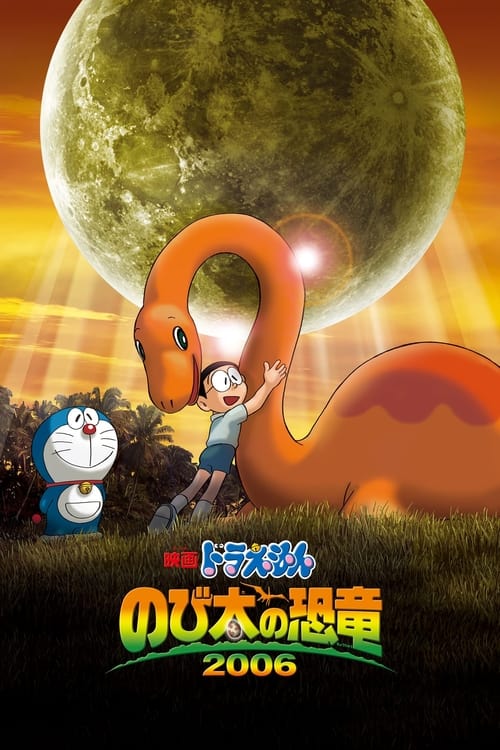
Doraemon: Nobita's Dinosaur
2006
No user ratings available yet
Representation score: 0.8 out of 10
Representation Score
Fair
2008
Director
Ayumu Watanabe
Runtime
112 minutes
Average Rating
No ratings yetNew Showbiz Analysis
The film primarily operates within traditional social and gender hierarchies, relying on established archetypes common to the franchise. While it does not prominently feature LGBTQ+ identities or disability, it excels in thematic depth. By using fantasy elements, the film explores complex cultural allegories. It critiques expansionist and industrial structures through the defense of a non-technological civilization, offering a sophisticated critique of unchecked progress and colonial-style encroachment. Ultimately, the work is a traditional character study that achieves its most progressive moments through environmental and anti-industrialist themes rather than diverse demographic casting.
Category Breakdown
The film adheres to a traditional framework that assumes everyone is straight or cisgender. Character interactions revolve around typical childhood friendships and social norms without delving into queer relationships or non-traditional gender identities.
Shizuka embodies traditional feminine traits such as empathy, while Nobita's frequent vulnerability reinforces a non-challenging gender dynamic rather than disrupting existing hierarchies.
The cast is predominantly made up of individuals from similar backgrounds, reflecting the film's Japanese cultural context. The Green Giants act as a metaphor for indigenous populations rather than representing real-world racial diversity.
The narrative employs a post-colonial perspective to critique expansionist structures. It portrays the conflict as a struggle for indigenous sovereignty against the destructive influence of industrial modernity.
There are no prominent depictions of visible or invisible disabilities that significantly impact the plot. Characters operate within standard physical capacities without incorporating neurodivergent or chronic illness narratives.
Present on Screen
Limited or Absent
Official Synopsis
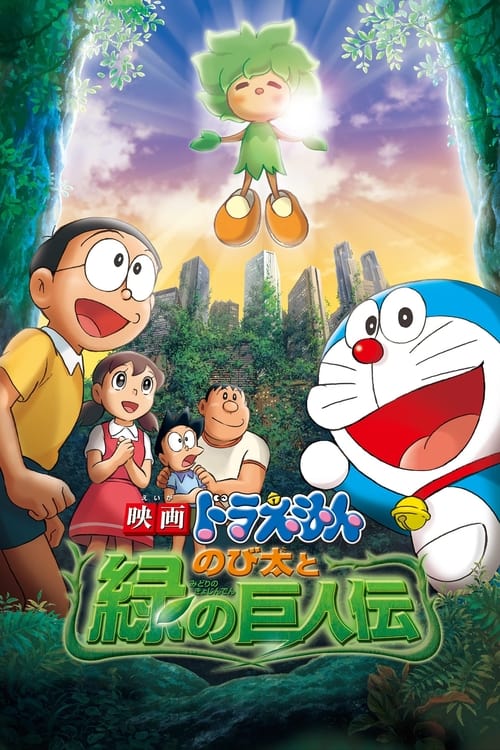
A sapling Nobita discovers is turned into a plant-boy with help from Doraemon, and becomes Earth's only hope at passing judgment from the dryadic aliens of the Green Planet.
2006
2020
2018
2014
2011
2015
2013

2010
No reviews yet. Be the first to share your thoughts on this movie!
Use the rating form above to leave a star rating and optional review.