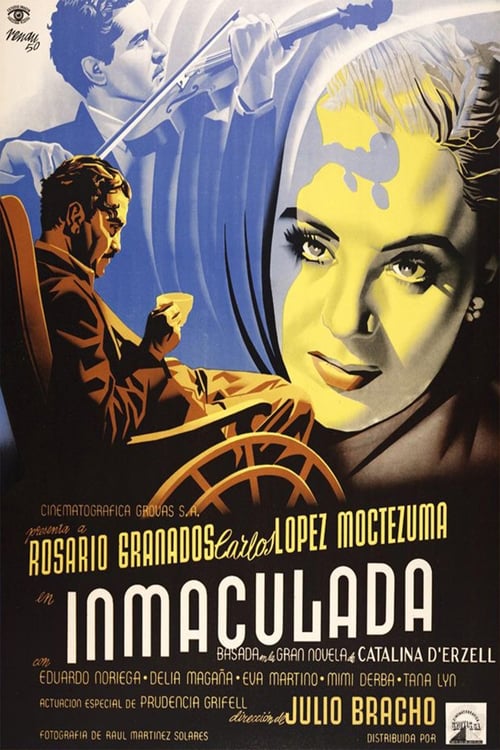
Inmaculada
1950
No user ratings available yet
Representation score: 1.8 out of 10

Representation Score
Fair
1954
Director
Julio Bracho
Runtime
74 minutes
Average Rating
No ratings yetNew Showbiz Analysis
Reto a la vida stands out from typical mid-century melodramas by focusing on the failure of systemic authority. The story uses a female protagonist to explore the tension between institutional power and individual ability to act. Despite lacking LGBTQ+ or disability representation, the film offers a sophisticated critique of systemic authority and bureaucratic morality. It goes beyond simple escapism to examine how rigid adherence to social services can lead to personal destruction. The film's strength lies in its cultural centering and its questioning of the state's effectiveness, offering a nuanced view of social responsibility.
Category Breakdown
The film does not include any LGBTQ+ identities or same-sex relationships. It follows the traditional orientation norms of mid-century Mexican cinema.
A woman working in Social Services challenges traditional gender roles by holding institutional power. However, her authority is portrayed through a cautionary tale of destructive idealism.
The film features a predominantly non-Anglo-Saxon cast and a Mexican cultural setting. It avoids a Hollywood perspective but does not blend different racial backgrounds.
The story criticizes institutional approaches to public welfare. It questions state-sanctioned morality by emphasizing human complexity over rigid, bureaucratic systems.
There are no characters with physical or neurodivergent disabilities in the narrative.
Present on Screen
Limited or Absent
Official Synopsis
Self-righteous young Social Services woman puts all her faith in the institutional answers to questions of the Public Good, and she destroys a couple of lives in the process.
1950

1952
1954

1956
1953
1994
1955
1950
No reviews yet. Be the first to share your thoughts on this movie!
Use the rating form above to leave a star rating and optional review.