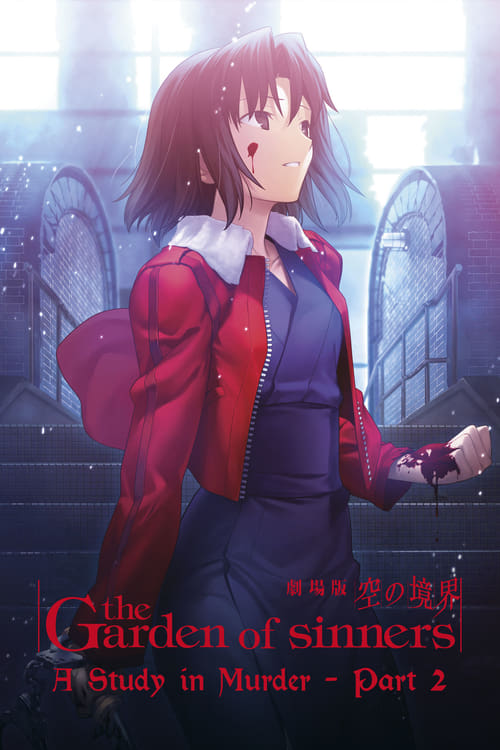
The Garden of Sinners: A Study in Murder - Part 2
2009
No user ratings available yet
Representation score: 7.9 out of 10
Representation Score
Good
2007
Director
Takuya Nonaka
Runtime
60 minutes
Average Rating
No ratings yetNew Showbiz Analysis
The film stands out by challenging traditional gender roles, presenting a strong female lead who drives the plot. However, it focuses on a homogeneous Japanese setting with limited racial or ethnic diversity, lacking explicit LGBTQ+ themes.
Category Breakdown
The film does not include explicit LGBTQ+ relationships or non-cisgender identities. However, Shiki Ryougi’s stoic and non-conforming personality challenges traditional feminine stereotypes, indicating a move away from strict gender roles.
The story overturns traditional gender roles by placing Shiki as the main driver of action and power. Mikiya supports her with empathy, flipping the usual protector role.
The cast is predominantly Japanese, fitting the urban setting. There is no intentional mixing of races or diverse demographics.
The narrative delves into moral relativism and subjective reality through Shiki's supernatural perception. It emphasizes metaphysical inquiry over traditional religious morality, focusing on personal choice.
Shiki’s 'Mystic Eyes' alter her perception of reality and are integral to her identity, rather than being viewed as a disability to be cured.
Present on Screen
Limited or Absent
Official Synopsis
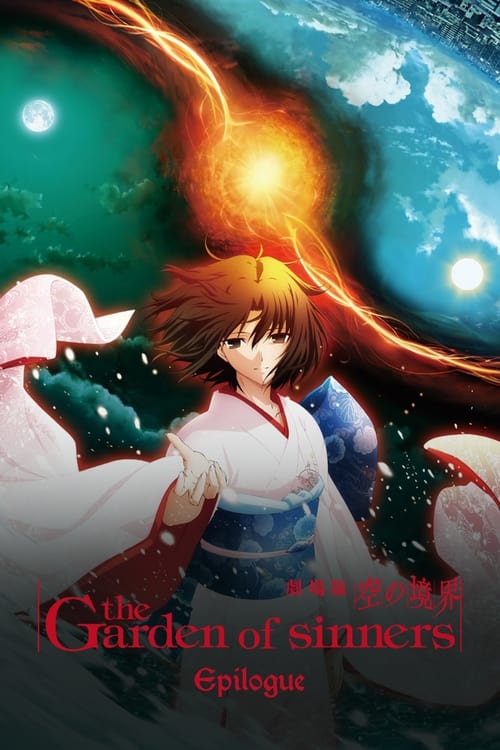
August 1995: Mikiya first meets Shiki in a white kimono during a snowing day. Later on, at the high school freshmen ceremony, Mikiya sees Shiki in the crowd and chases after her, introducing himself to her. But Shiki hides a big secret: A wave of bizarre murders occur around many loose ends, and no suspects. there are still many questions: Who to believe? Who is the murderer? What is the secret of Shiki? and especially: Who is SHIKI?
2009

2001
2008
2007

2008

2021
2011

1996
No reviews yet. Be the first to share your thoughts on this movie!
Use the rating form above to leave a star rating and optional review.