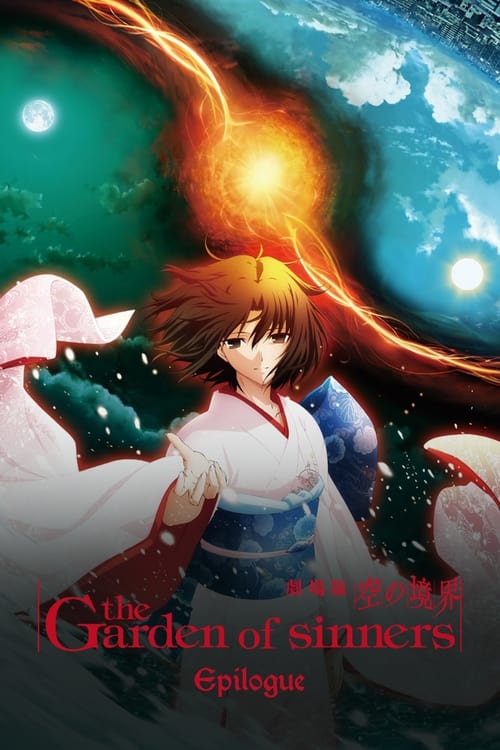
The Garden of Sinners: Epilogue
2011
No user ratings available yet
Representation score: 7.8 out of 10
Representation Score
Good
2009
16+Director
Hikaru Kondô
Runtime
120 minutes
Average Rating
No ratings yetNew Showbiz Analysis
The film stands out by subverting traditional gender roles, placing a powerful female lead at the center of its supernatural narrative. Shiki Ryougi’s strong presence and non-traditional portrayal offer a sophisticated alternative to typical clichés. However, the work is constrained by its narrow demographic focus. The cast remains culturally homogeneous, and the narrative does not explicitly address LGBTQ+ identities or racial diversity, limiting its scope to psychological and metaphysical themes. Ultimately, the film explores individual perception and moral relativism, challenging social hierarchies through character empowerment while staying within a localized cultural context.
Category Breakdown
Shiki Ryougi’s androgynous appearance challenges traditional feminine stereotypes and visual expectations. However, the film lacks clear identity markers or focused same-sex relationships to achieve a higher score.
The film disrupts traditional gender roles by presenting Shiki Ryougi as a character with significant physical strength and lethal capabilities. She avoids typical female archetypes, maintaining a complex relationship with Mikiya Kokutou.
The setting features a predominantly Japanese cast within an urban environment. The narrative focuses on metaphysical themes without exploring diverse racial backgrounds or intersectionality.
The story rejects absolute morality, favoring situational ethics and subjective perceptions. Characters prioritize personal existential struggles over institutional frameworks or state authority.
Shiki’s fragmented mental state and unique perception serve as metaphors for neurodivergence. These elements are treated with complexity and significance rather than being used merely as plot devices.
Present on Screen
Limited or Absent
Official Synopsis
In February 1999, a string of murders has Shiki Ryougi and Mikiya Kokutou on edge. These crimes share a disturbing resemblance to a similar set of homicides from 1995, when Shiki and Mikiya first met, and awaken a dark, murderous desire that has laid dormant within Shiki's soul ever since then.
2011
2007
2007

2001

2008
2008
2008

1996
No reviews yet. Be the first to share your thoughts on this movie!
Use the rating form above to leave a star rating and optional review.