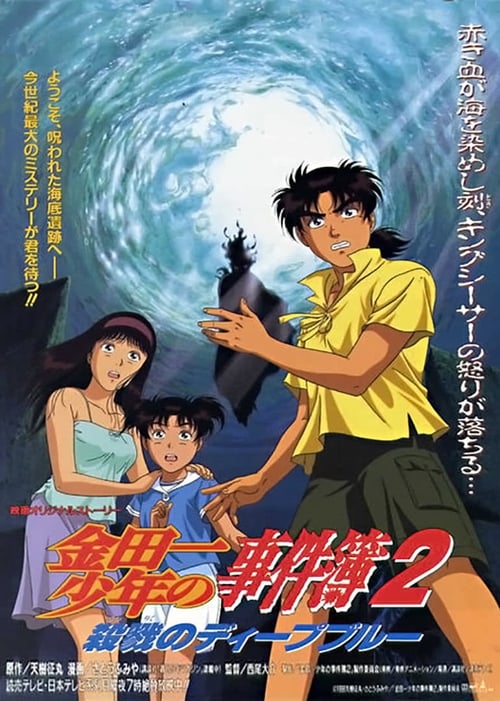
Kindaichi Case Files : Deep Blue Massacre
1999
No user ratings available yet
Representation score: 3.1 out of 10

Representation Score
Fair
1996
Director
Daisuke Nishio
Runtime
94 minutes
Average Rating
No ratings yetNew Showbiz Analysis
The film is a traditional mystery that emphasizes suspense and intellectual deduction over challenging social hierarchies. It follows the established conventions of the mid-90s detective genre, focusing on a central trio to drive the plot. While the narrative includes meaningful character involvement, it lacks intentional complexity that reflects multiple aspects of identity. The storytelling relies on standard formulas, such as concentrated men's control over the story in investigations and a culturally homogeneous cast, rather than systemic critique. Ultimately, the work serves as a genre-driven experience that upholds the status quo of its era, prioritizing the restoration of order through logic over progressive representation.
Category Breakdown
The film centers around a trio of characters who fit traditional roles typical of 1990s mystery genres. There is no indication of characters with non-traditional gender identities or stories that challenge the assumption that everyone is straight or cisgender.
Miyuki is consistently featured as a female lead and companion to the protagonist. However, the investigative work is primarily carried out by male characters, Kindaichi and Kenmochi, following the standard structure of detective procedurals.
The cast is portrayed as a culturally homogeneous group rooted in its Japanese manga origins. The production does not include diverse casting or non-human species to challenge historical norms.
The story functions as a genre piece focused on restoring order through logic. While the Phantom archetype allows for exploring misunderstood victims, it does not explicitly address anti-Western or secularist ideologies.
Characters may experience physical or psychological trauma related to the Phantom mystery. However, there is no evidence of neurodivergence or disabilities being shown with real power rather than as plot devices.
Present on Screen
Limited or Absent
Official Synopsis
Invited for a anniversary celebration, Kindaichi, Miyuki and inspector Kenmochi re-visit the Opera House. There they discover that a play of The Phantom of the Opera is being rehearsed again. However, it doesn't take long when members of the acting troupe are killed by the Phantom. Kindaichi will once again have to solve a murder series in the Opera House.
1999
2003
2005
2004
2019
2016
2006

1992
No reviews yet. Be the first to share your thoughts on this movie!
Use the rating form above to leave a star rating and optional review.