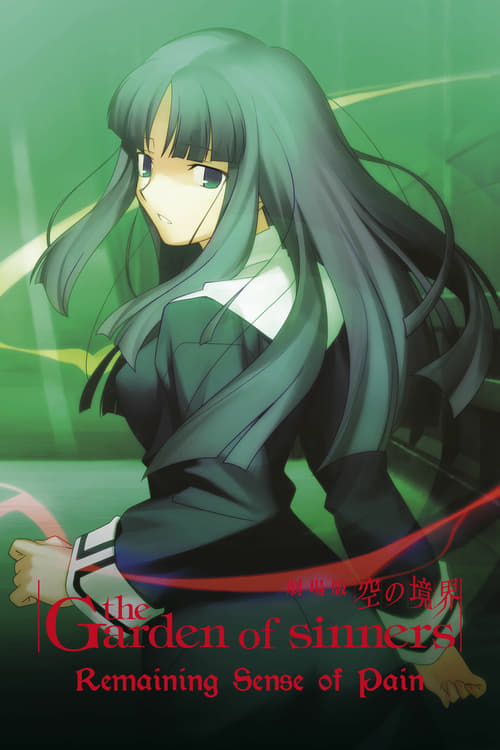
The Garden of Sinners: Remaining Sense of Pain
2008
No user ratings available yet
Representation score: 7.3 out of 10
Representation Score
Good
2007
Director
Ei Aoki
Runtime
50 minutes
Average Rating
No ratings yetNew Showbiz Analysis
The film excels in challenging traditional gender hierarchies by presenting a highly capable and stoic female protagonist. This creates a sophisticated, non-traditional character structure. However, the narrative is limited by its ethnic homogeneity and lack of LGBTQ+ representation. The setting is culturally specific, focusing on internal psychological landscapes rather than broader social diversity. Ultimately, the work is a progressive exploration of subjectivity and gender, even as it remains narrow in its racial and sexual identity depictions.
Category Breakdown
The film does not include explicit LGBTQ+ characters or depict same-sex intimacy. The main focus is on the metaphysical tension between the primary characters.
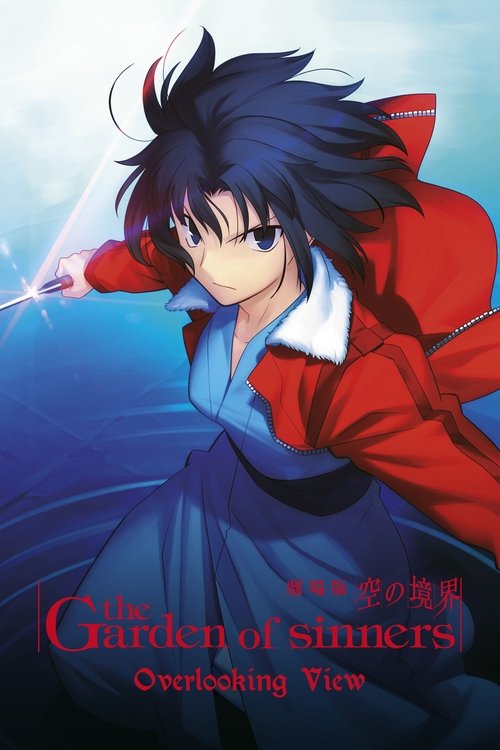
Shiki Ryougi challenges traditional feminine archetypes with her stoic, violent, and highly capable nature. She plays a leading role in the story, while her male counterpart serves more as a psychological anchor.
The cast is ethnically homogeneous, reflecting its specific urban Japanese setting. The story does not explore racial diversity or use color-blind casting.
The film explores postmodernist themes and ontological relativism through the lens of subjective truth. Characters operate largely outside of traditional social and legal institutions.
Shiki’s sensory divergence through her 'eyes' offers a nuanced look at living with a perception fundamentally different from societal norms. This explores themes of dissociation and social detachment.
Present on Screen
Limited or Absent
Official Synopsis
The story starts following an incident: a young girl jumps from the top of a building. The image provokes a certain dread, as the girl appears to have been a corpse even before she jumped. The case is dismissed, yet more and more of these suicides occur, and all from the same building. Thus began the rumour, that a ghost inhabited the rooftop of the building.
2008
2015
2008

2006
2009
2013
2011
2018
No reviews yet. Be the first to share your thoughts on this movie!
Use the rating form above to leave a star rating and optional review.