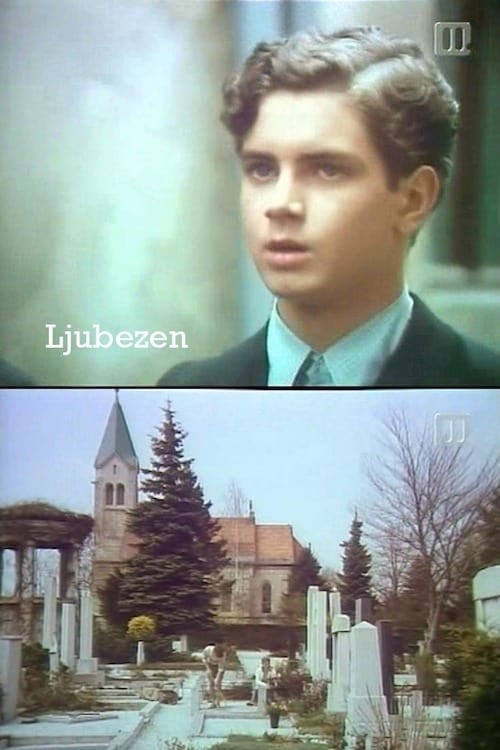
Love
1984
No user ratings available yet
Representation score: 5.2 out of 10
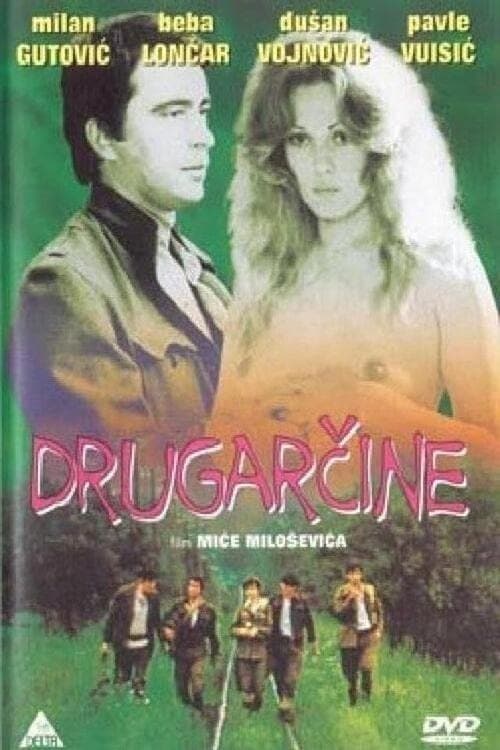
Representation Score
Fair
1979
Director
Milivoje 'Mića' Milošević
Runtime
96 minutes
Average Rating
No ratings yetNew Showbiz Analysis
The Pals is a character-driven drama that prioritizes social critique over individual identity politics. It successfully portrays a collective of youth challenging institutional corruption and systemic injustice, offering a nuanced look at moral decision-making. However, the film lacks modern markers of representation. It does not focus on LGBTQ+ identities, disability, or specific multi-layered casting, which limits its progressive scope by contemporary standards. Ultimately, the film's strength lies in its structural subversion of authority rather than its diversity of individual identities.
Category Breakdown
The film does not explicitly feature LGBTQ+ characters or stories that go beyond the assumption that everyone is straight. The main focus is on the collective identity of the Partisan group.
The story revolves around young individuals as they navigate the transition from combat to education. The protagonists take a leading role by standing up against lies and injustice within rigid social structures.
Set within a Yugoslav context, the film highlights a multi-ethnic coalition of Partisans. The emphasis is on a shared identity among comrades rather than specific ethnic backgrounds.
The film strongly critiques established institutions such as the town's command and school. These authorities are portrayed as obstacles to the protagonists' authentic actions and choices.
There is no indication that disability or neurodivergence plays a role in the character arcs. The narrative does not address these themes.
Present on Screen
Limited or Absent
Official Synopsis
The war is over, and a group of young Partisans returns to their town to continue their interrupted education. They are doing everything in their way, because they are young enough to go to school and to horse around, but mature enough to react to lies and injustice. Loud, ready to fight, they are a problem in school, in youth organization, in town's command. And when they get used to normal life, one of them gets killed by Chetnik renegades' ambush. The comrades wear their uniforms again, take their weapons and succeed in revenging their comrade. When they return to school again, they are determined to pass the maturity test as well...
1984

1974
1973
1981
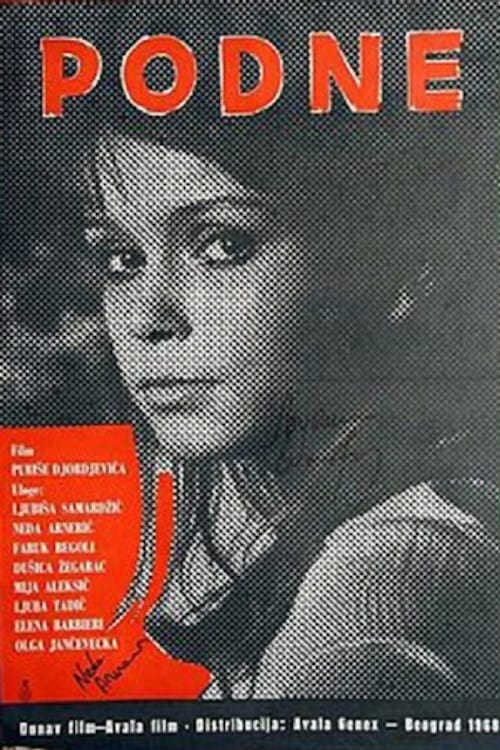
1968
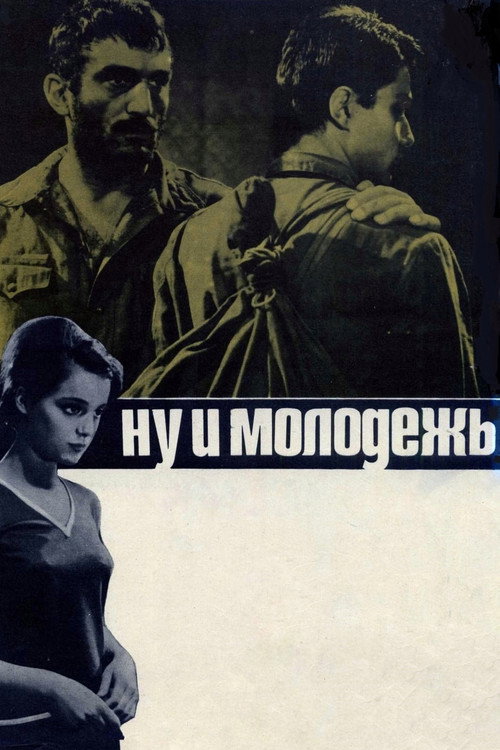
1969
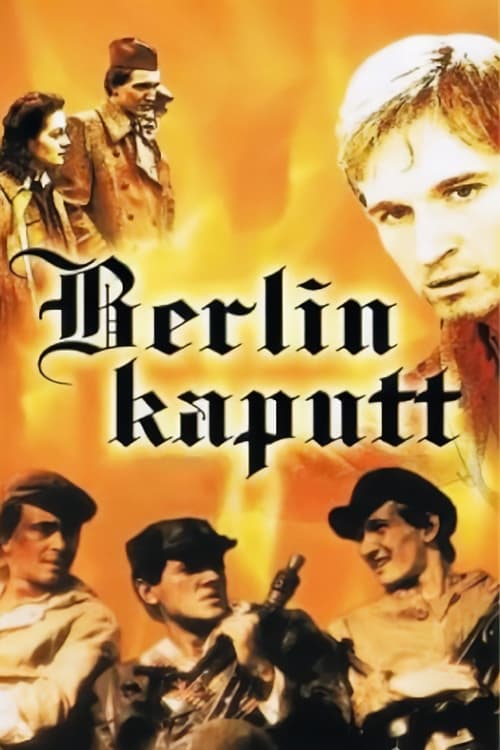
1981
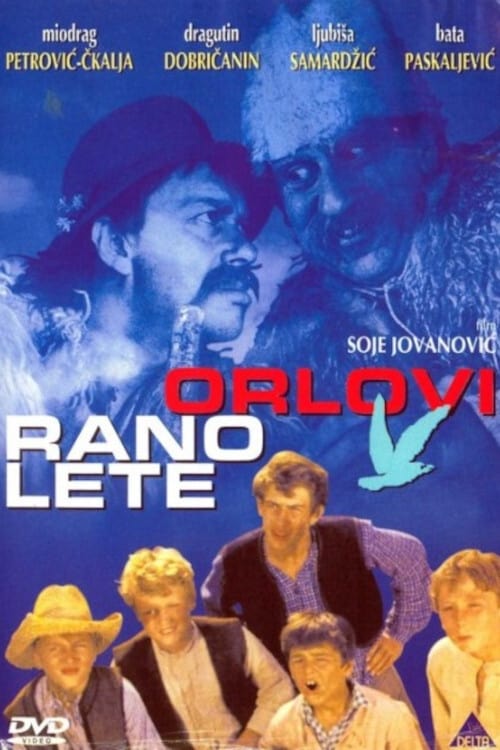
1966
No reviews yet. Be the first to share your thoughts on this movie!
Use the rating form above to leave a star rating and optional review.