
Summer Solstice
2015
No user ratings available yet
Representation score: 4.3 out of 10
Representation Score
Limited
1966
Director
Janusz Nasfeter
Runtime
79 minutes
Average Rating
No ratings yetNew Showbiz Analysis
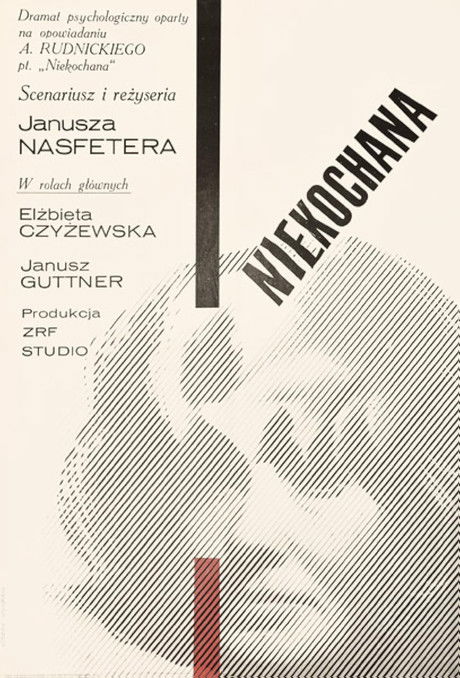
Unloved (1966) stands out as a significant historical drama that challenges conventional nationalist narratives. By centering a Jewish protagonist during World War II, the film explores ethnic tension and systemic pressures as key plot drivers. The film's strength lies in its ability to blend personal romance with the broader, high-stakes context of the Holocaust. This intersection of race and nationality provides a nuanced look at identity struggles that disrupts the expected homogeneity of mid-20th-century European period pieces. However, the film lacks representation for LGBTQ+ individuals and characters with disabilities. While the central romance offers some emotional complexity, the narrative remains focused on the heterosexual relationship between Noemi and Kamil.
Category Breakdown
The film focuses solely on the heterosexual relationship between the two main characters. There are no LGBTQ+ characters or stories that go beyond assuming everyone is straight.
Noemi plays a significant role that moves away from passive female stereotypes. Her relationship with Kamil shows complex emotions and power dynamics.
The story highlights the intersection of Jewish and Polish identities. By focusing on a Jewish protagonist, the film challenges the traditional view of Polish history.
The film examines the breakdown of social structures during wartime. It portrays the protagonists' struggles against rigid social and political systems.
There are no characters with visible or invisible disabilities featured in the film.
Present on Screen
Limited or Absent
Official Synopsis
The story of the tumultuous relationship between a Jewish girl called Noemi and a Polish art student named Kamil is set at the outbreak of World War II.
2015

1999

1984

1960
1984

1967
1976
1997
No reviews yet. Be the first to share your thoughts on this movie!
Use the rating form above to leave a star rating and optional review.