We Are X
2016
No user ratings available yet
Representation score: 7.9 out of 10
Representation Score
Fair
2016
Not RatedDirector
Andrew Horn
Runtime
137 minutes
Average Rating
No ratings yetNew Showbiz Analysis
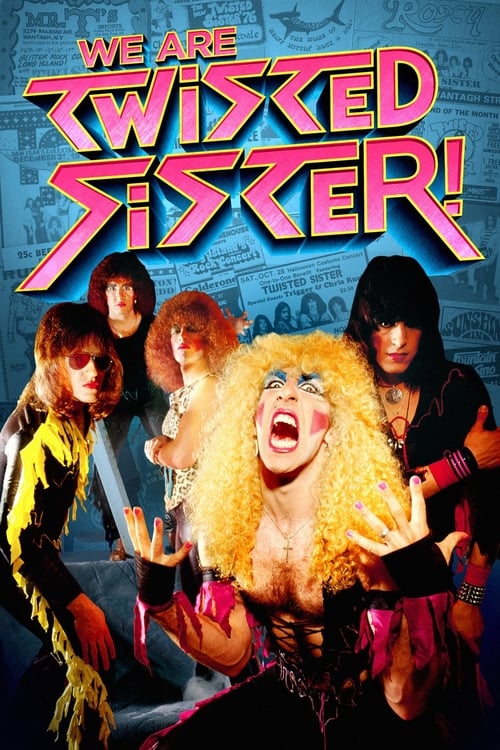
This documentary offers a detailed look at how Twisted Sister challenged the social norms of the 1980s through visual provocations. By adopting feminine aesthetics, the band actively subverted the era's rigid masculine standards, providing a unique study of gender presentation within a heavy metal context. However, the film's focus on a historically homogeneous musical subculture limits its scope. The lack of racial diversity and the absence of explicit LGBTQ+ identity politics prevent a higher score, as the subject matter remains centered on a specific, largely white musical movement. Ultimately, the film succeeds as a study of non-conformity and the deconstruction of traditional social hierarchies, even if it does not address broader multi-layered identities.
Category Breakdown
The film looks at how the band uses makeup and feminine clothing to challenge traditional gender roles. Though it doesn't focus on LGBTQ+ identity or romantic stories, it highlights the band's rejection of typical masculine standards.
The movie centers on the band's use of feminine signifiers like makeup and clothing to disrupt traditional masculinity. This challenges the rigid masculine stereotypes prevalent in the early 1980s rock scene.
The documentary focuses on a predominantly white, Anglo-Saxon musical movement. There is no evidence of significant racial blending or non-white majority casting within the primary subject matter.
The film explores rebellion against traditional Western social norms and the tension between the band and conservative cultural institutions. It emphasizes the value of non-conformity and breaking down polite social rules.
There is no discernible evidence regarding the portrayal of physical or neurodivergent disabilities within the film.
Present on Screen
Limited or Absent
Official Synopsis
In 1984, American heavy metal band Twisted Sister became a global sensation. For 30 years, they been synonymous with hairspray, women's clothing and tasteless album covers. Until now. Ten years ago, director Andrew Horn was granted access to the archives of Twisted Sister founder Jay French and he explores the decade that preceded their breakthrough.
2016
1981
2015
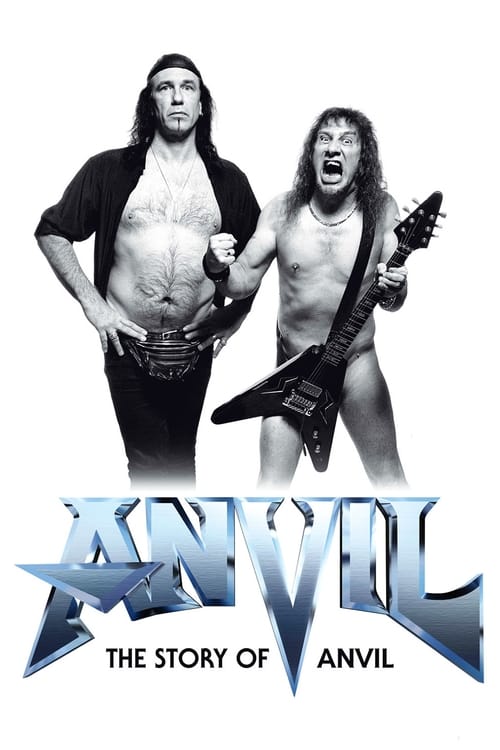
2008
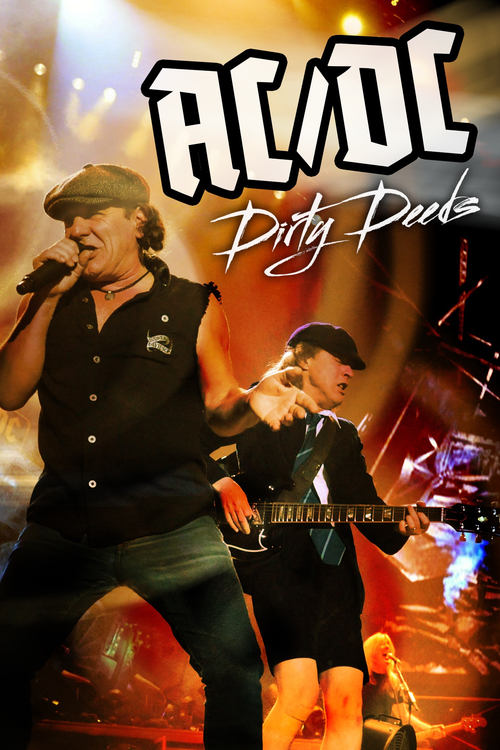
2012
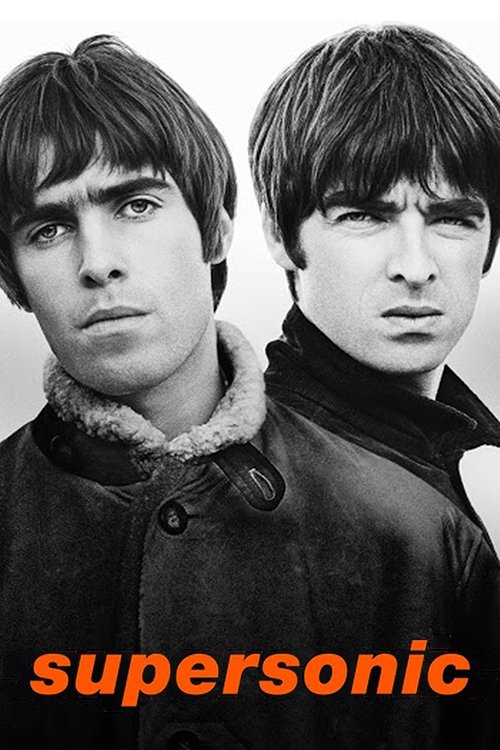
2016
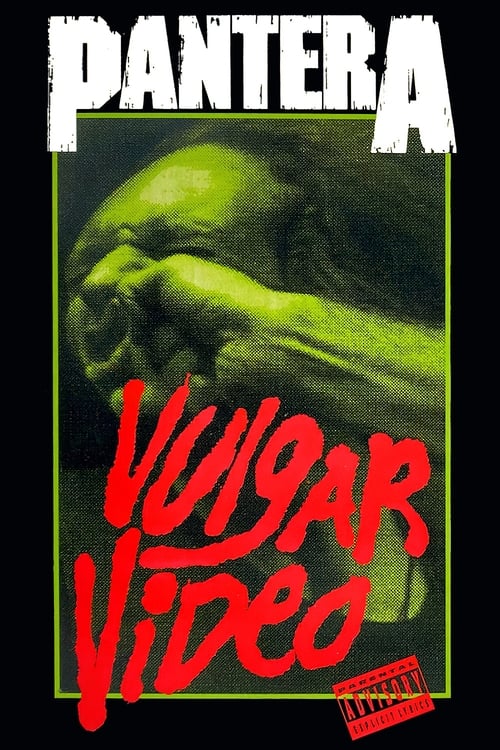
1993
2019
No reviews yet. Be the first to share your thoughts on this movie!
Use the rating form above to leave a star rating and optional review.