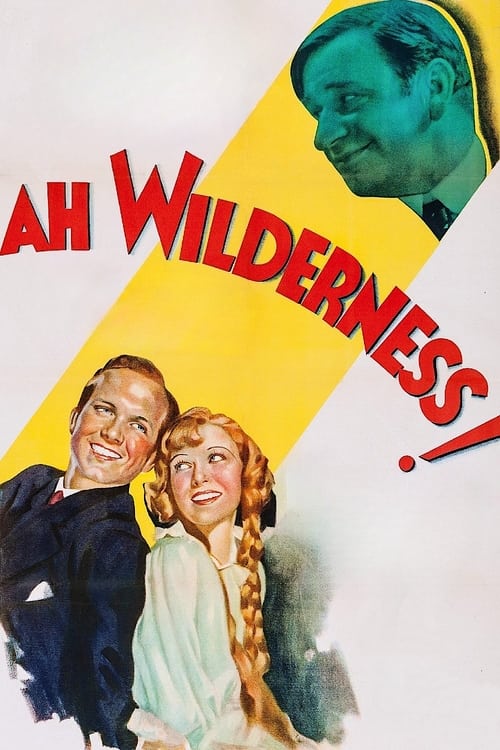
Ah, Wilderness!
1935
No user ratings available yet
Representation score: 0.4 out of 10
Representation Score
Limited
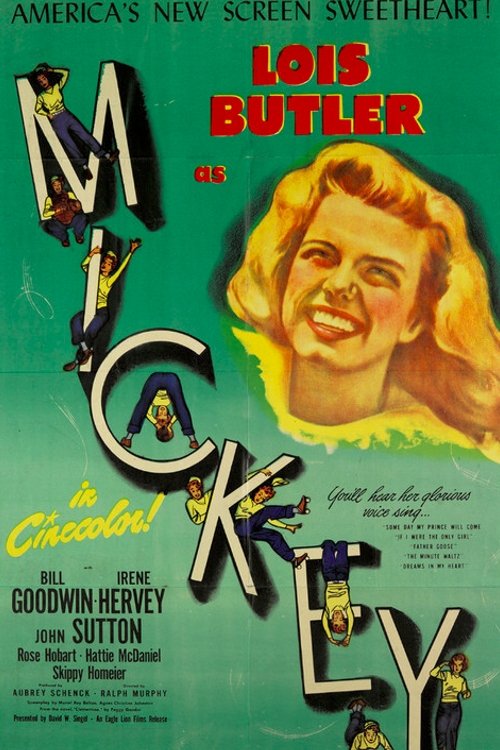
1948
ApprovedDirector
Ralph Murphy
Runtime
87 minutes
Average Rating
No ratings yetNew Showbiz Analysis
Mickey functions as a traditional period piece that adheres to the social and demographic norms of the late 1940s. The film's structure relies on conventional coming-of-age clichés rather than multi-layered complexity or systemic critique. While the protagonist's tomboyish nature offers a minor deviation from the era's strict feminine roles, the film lacks broader progressive depth. It primarily reflects the homogeneous and conservative atmosphere of its time. Ultimately, the production lacks significant representation across most diversity metrics, serving as a reflection of mid-century American social norms.
Category Breakdown
The film does not include any non-cisgender identities or same-sex relationships, following the heterosexual norms typical of 1948 American cinema.
The protagonist is portrayed as a tomboyish teenager, which slightly deviates from traditional feminine roles. However, it is unclear if this characterization challenges patriarchal structures or follows a traditional coming-of-age storyline.
Set in an American small town, the film likely reflects the homogeneous demographics of the late 1940s. There are no indications of a diverse cast or non-white characters with significant roles.
The story aligns with traditional Western values concerning community and family. The narrative does not include any secular or critical views of established social institutions.
There is no information available regarding the depiction of physical disabilities or neurodivergence in this production.
Present on Screen
Limited or Absent
Official Synopsis
A pretty, tomboyish teenager comes of age in an American small town.
1935
1980
1947
1932
1977

2000
1969
1982
No reviews yet. Be the first to share your thoughts on this movie!
Use the rating form above to leave a star rating and optional review.