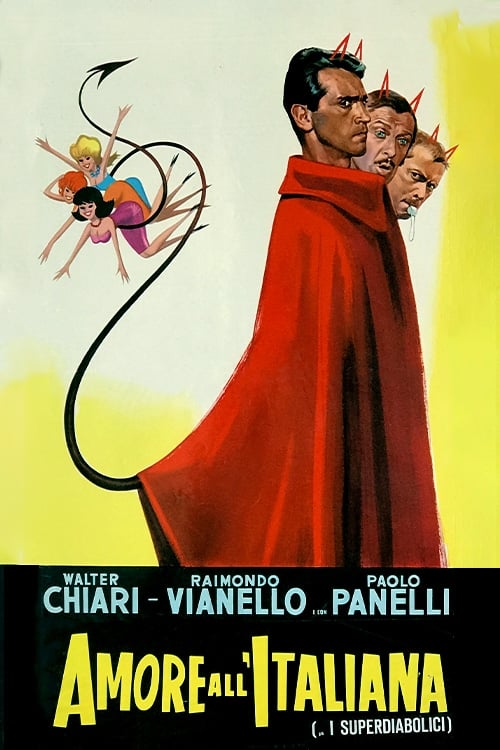
Love Italian Style
1966
No user ratings available yet
Representation score: 2.1 out of 10
Representation Score
Fair
1970
Director
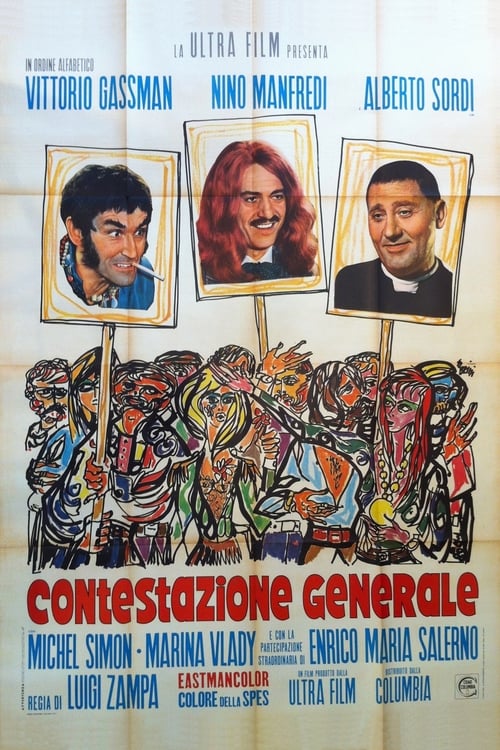
Luigi Zampa
Runtime
131 minutes
Average Rating
No ratings yetNew Showbiz Analysis
Luigi Zampa's modular narrative uses various settings to examine the tension between traditional authority and emerging modern identities in 1970s Italy. The film's strength lies in its critique of the 'old guard,' particularly targeting the Church and the State through social satire. However, the focus is heavily localized, emphasizing class and institutional structures while sidelining racial diversity and explicit LGBTQ+ representation. Ultimately, the work provides a snapshot of society, prioritizing the disruption of established cultural pillars over a broad range of individual identity representation.
Category Breakdown
The film reflects typical attitudes of the 1970s era. While it doesn't explicitly address non-assuming gender matches what was assigned at birth identities, Zampa's satirical approach often critiques societal expectations through subtle hints.
Women are shown working in professional and academic settings such as television studios and universities. The film uses institutional critique to potentially challenge traditional gender roles of the time.
The narrative focuses on the social layers of Italy, emphasizing socio-economic status and class-based environments rather than exploring racial diversity.
The film effectively critiques Western institutions by featuring a Catholic parish alongside factories and universities, challenging the dominance of religious and industrial authority.
There is no information about the portrayal of physical disabilities or neurodivergence in these vignettes.
Present on Screen
Limited or Absent
Official Synopsis
Episodes centering on different aspects of early-1970s Italian life, set in a television studio, a factory, a university, and a Catholic parish.
1966

1963

1968

1980
2004
1964
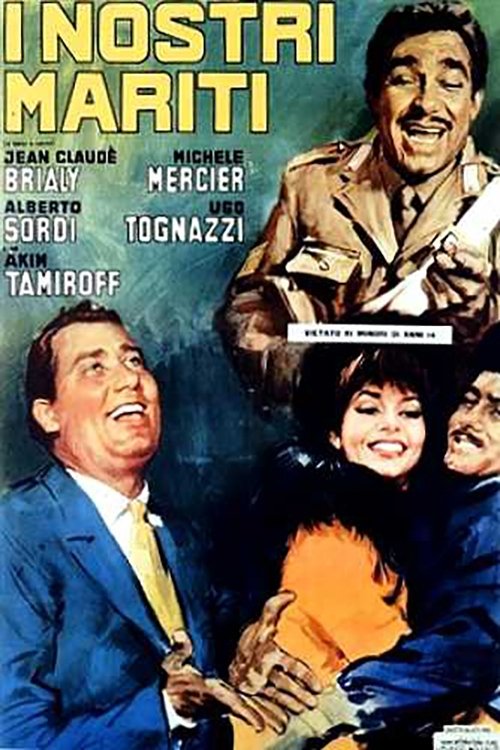
1966
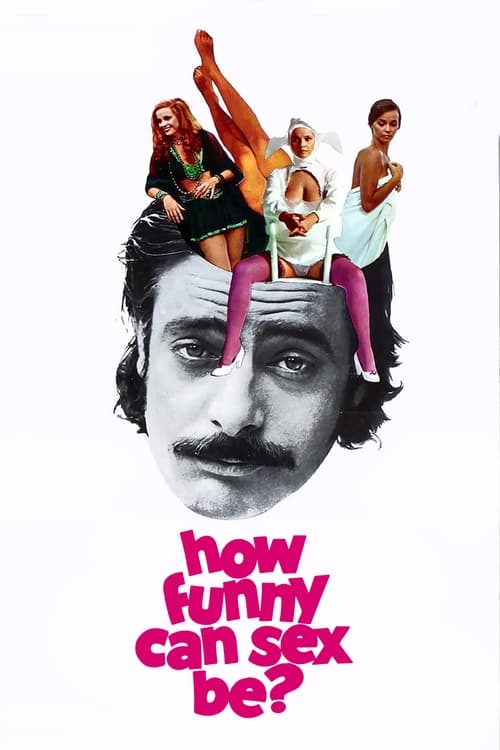
1973
No reviews yet. Be the first to share your thoughts on this movie!
Use the rating form above to leave a star rating and optional review.