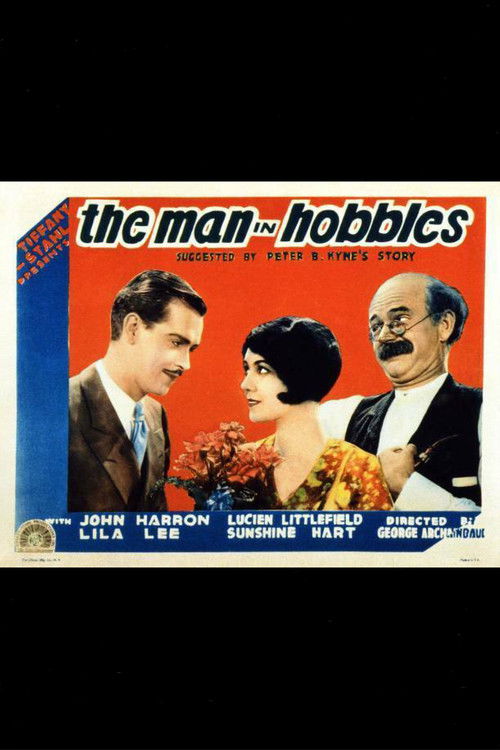
The Man in Hobbles
1928
No user ratings available yet
Representation score: 4.2 out of 10
Representation Score
Limited
1926
PassedDirector
Eugene De Rue
Runtime
57 minutes
Average Rating
No ratings yetNew Showbiz Analysis
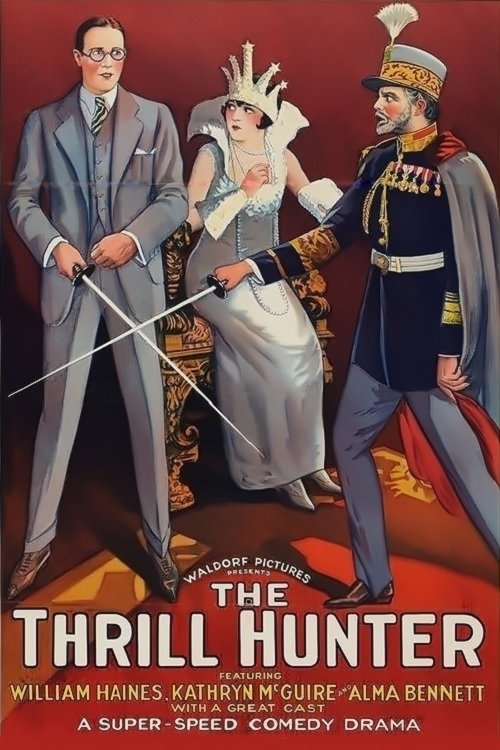
The Thrill Hunter operates as a conventional silent-era genre piece, adhering to the social archetypes of 1920s American cinema. Its structure emphasizes adventure and romance through traditional narrative lenses. Representation is constrained by the era's studio standards, focusing on homogeneous casting and standard gender hierarchies. The film lacks the complexity or subversion needed to challenge established social norms. Ultimately, it reflects the representational boundaries of early 20th-century filmmaking, favoring predictable genre clichés over diverse character perspectives.
Category Breakdown
The film does not include any non-straight relationships or same-sex intimacy. It follows traditional romantic storylines typical of 1926 mainstream cinema.
The film includes female leads Kathryn McGuire and Alma Bennett. However, they may primarily serve as romantic interests or secondary support to the male protagonist, William Haines.
As a mainstream American production from the silent era, the film likely used homogeneous casting. There is no evidence of significant non-white characters or actors from diverse backgrounds.
The adventure-comedy likely upholds contemporary Western values and traditional social structures. It shows no indication of themes that deviate from the standard moral frameworks of the time.
There is no documented evidence of characters with physical or neurodivergent disabilities in the film.
Present on Screen
Limited or Absent
Official Synopsis
The Thrill Hunter is a 1926 American silent comedy adventure film directed by Eugene De Rue and starring William Haines, Kathryn McGuire and Alma Bennett.
1928

1928
1919
1927
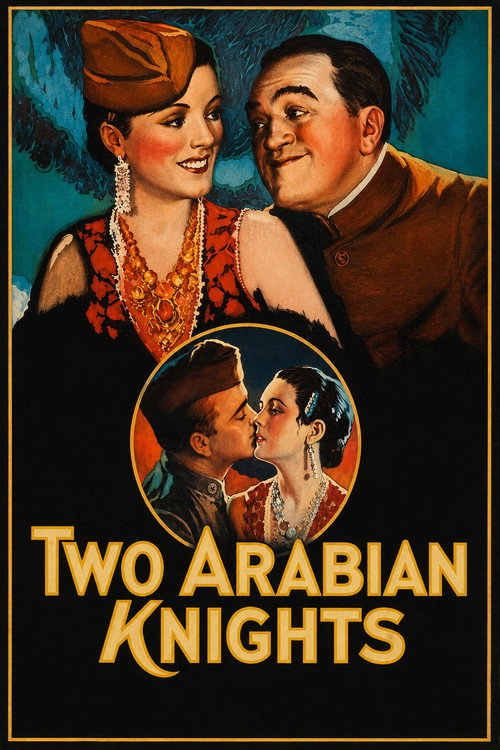
1927
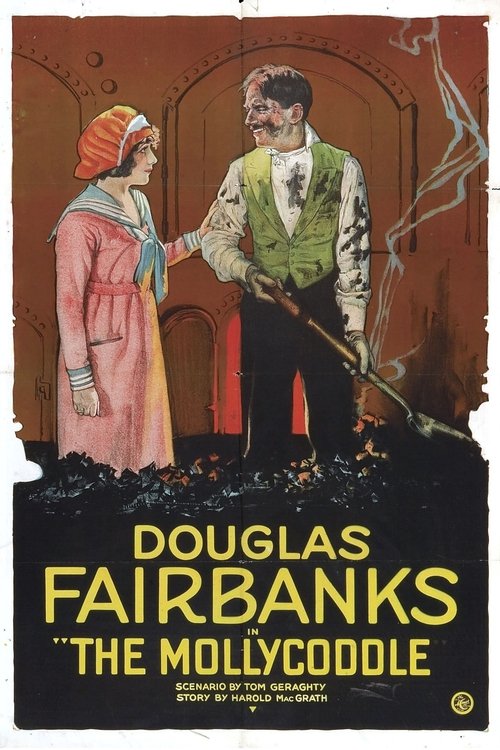
1920

1941
1917
No reviews yet. Be the first to share your thoughts on this movie!
Use the rating form above to leave a star rating and optional review.