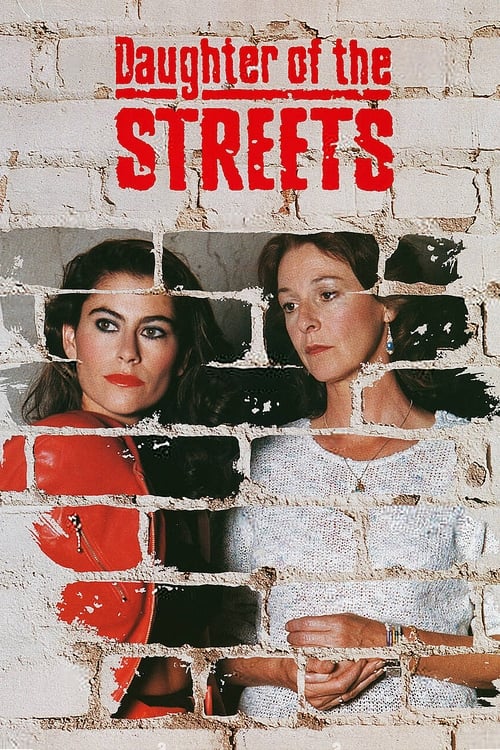
Daughter of the Streets
1990
No user ratings available yet
Diversity score: 3.1 out of 10

1977
Director
Marvin J. Chomsky
Runtime
100 minutes
Average Rating
No ratings yetSynopsis
The sister of ex-pimp and current Los Angeles Police detective Lyle York was murdered working the streets a few years ago. Since his reform, he has teamed with Officer Russ Garfield to clear the streets of underage girls working in prostitution. Pretty, young runaway Hailey Atkins has been turned out. Down deep she wants to go straight but has had great difficulty escaping her pimp and doesn't even have a place to go. York and Garfield go out on a limb to try and help.
Overall Score
Limited
Category Breakdown
LGBTQ+ Representation
The film contains no mention of LGBTQ+ characters or themes. There is no evidence of non-cisnormative identities within the narrative.
Gender Representation
The story centers on the agency and survival of Hailey Atkins, a young female protagonist. While the investigators are male, the plot critiques the patriarchal exploitation of women.
Racial & Ethnic Diversity
The setting is Los Angeles, yet the narrative does not explicitly detail the racial identities of the cast. The focus remains on socioeconomic status and age.
Religious & Cultural Diversity
The film critiques traditional institutions by showing law enforcement operating outside rigid bureaucratic norms. It highlights the failure of social safety nets for the marginalized.
Disability Representation
There is no evidence regarding the portrayal of physical, neurodivergent, or mental health disabilities in this work.
Strengths
Areas for Improvement
AI Analysis
Little Ladies of the Night functions as a social realist drama that prioritizes systemic critique over traditional hero tropes. By centering the plight of a vulnerable runaway, the film shifts the focus from standard police procedurals to the human cost of exploitation. The narrative challenges the archetype of policing by emphasizing empathy and extra-legal intervention. It portrays law enforcement officers as individuals forced to navigate the friction between institutional structures and individual morality. While the film addresses significant social issues, it lacks specific data regarding racial or LGBTQ+ representation. The focus remains primarily on the intersection of age, gender, and socioeconomic vulnerability.
1990
1975
1975
1988
1991

1998

1976
1995
1977

1983

2000
1984
No reviews yet. Be the first to share your thoughts on this movie!
Use the rating form above to leave a star rating and optional review.