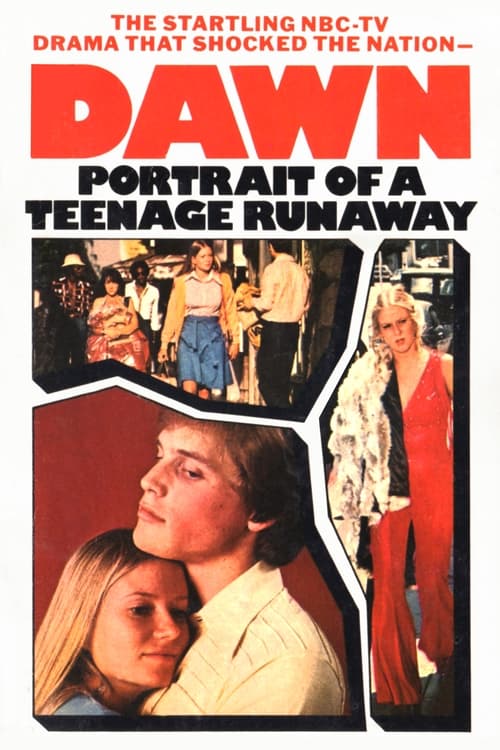
Dawn: Portrait of a Teenage Runaway
1976
No user ratings available yet
Representation score: 5.8 out of 10
Representation Score
Fair
1991
PG-13Director
Lou Antonio
Runtime
93 minutes
Average Rating
No ratings yetNew Showbiz Analysis
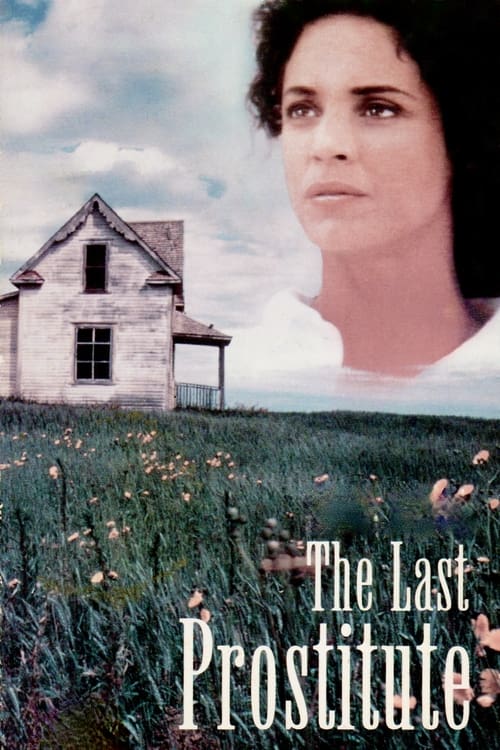
The film serves as a character study focused on disillusionment and the passage of time. It deconstructs youthful idealism by contrasting the romanticized clichés of the 1960s counterculture with the mundane reality of domestic life. While the film avoids high-concept ideological messaging, it finds strength in its casting and its realistic approach to social history. It prioritizes interpersonal dynamics and social realism over traditional, idealized period clichés. Ultimately, the work functions as a moderate inclusionary piece. It offers a meaningful character study but stops short of a systemic deconstruction of social hierarchies.
Category Breakdown
The film does not provide explicit evidence of LGBTQ+ identities or queer ability to act. It includes a baseline level of inclusion typical of period dramas but does not offer any direct critiques of the assumption that everyone is straight or cisgender.
The story centers on a woman who has transitioned from a underrepresented role to a property owner, suggesting she plays a significant role in driving the story. However, her autonomy remains tied to her past social role.
Casting Sonia Braga, a prominent Brazilian actress, introduces a non-Anglo-Saxon perspective. This adds significant depth to a Western-centric narrative.
The narrative challenges romanticized views of the 1960s by juxtaposing youthful desire with agrarian stability. It leans toward a realistic portrayal of systemic social shifts.
There is no evidence of characters with visible or invisible disabilities within the film's context.
Present on Screen
Limited or Absent
Official Synopsis
Two 60s teenagers find work rather than pleasure when it turns out that the prostitute they desire now owns a horse farm.
1976
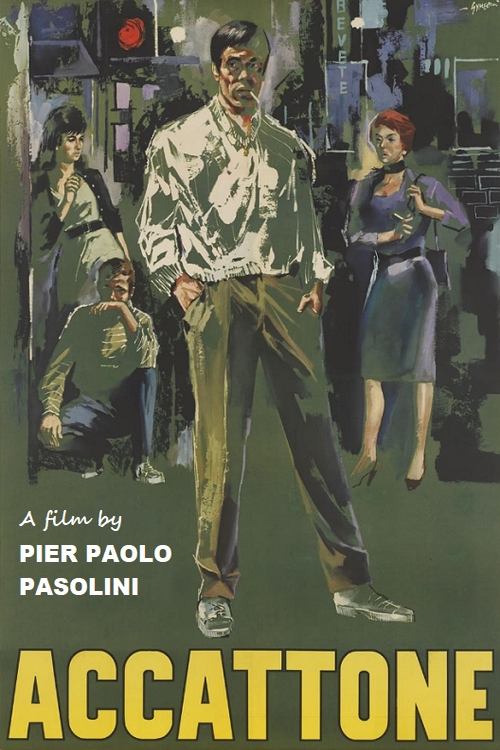
1961
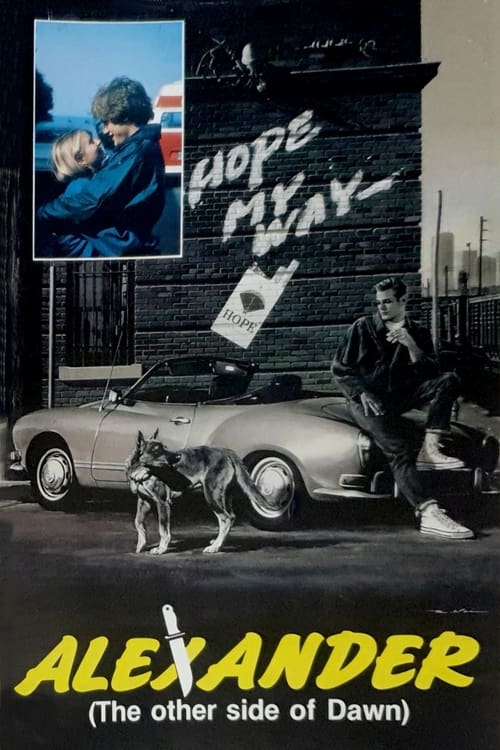
1977

1978
1988
1977

1981
1998
No reviews yet. Be the first to share your thoughts on this movie!
Use the rating form above to leave a star rating and optional review.