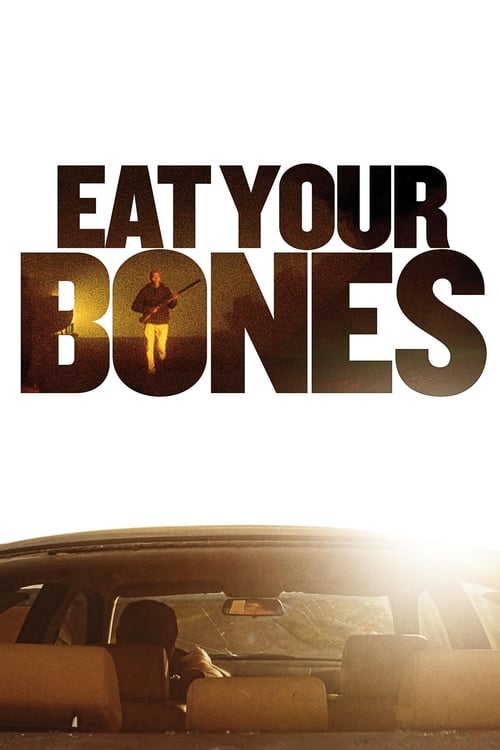
Eat Your Bones
2014
No user ratings available yet
Diversity score: 5.7 out of 10
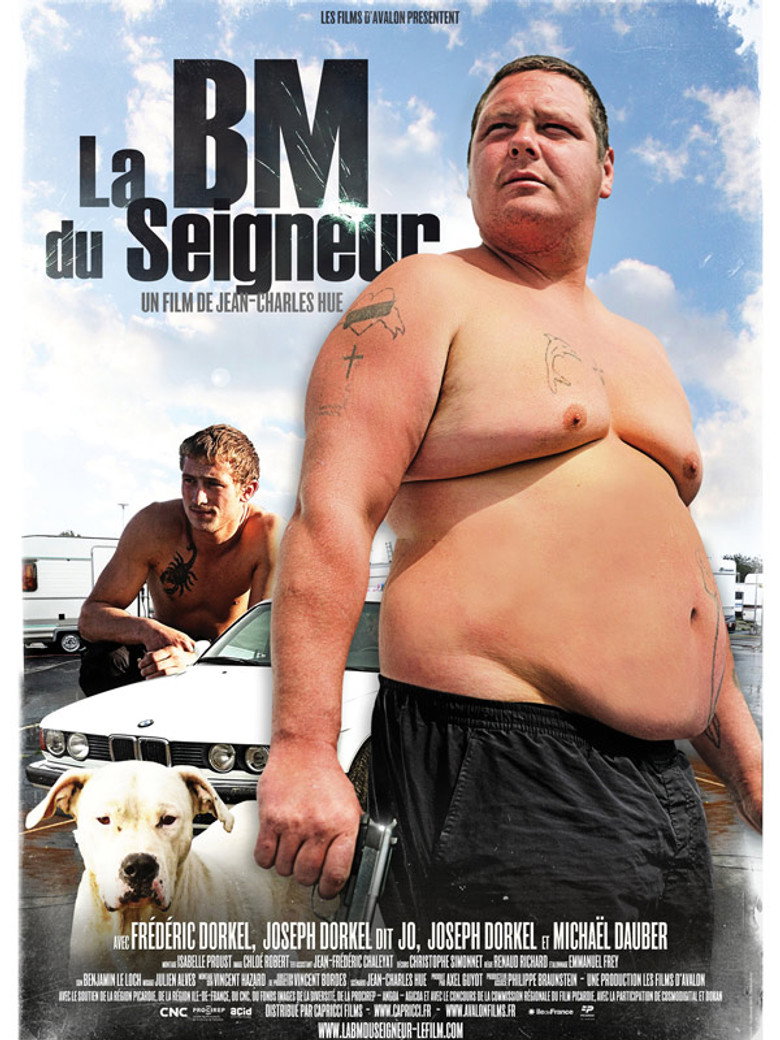
2010
Director
Jean-Charles Hue
Runtime
84 minutes
Average Rating
No ratings yetSynopsis
Among the Yéniches, a community of Gypsies, respect the of elders and religious fervor indifferently rub shoulders with vandalism. Fred Dorkel is a member of the community: feared and admired by his own, he lives by stealing cars. One night, his life is turned on its head when an angel appears before him. For Fred, it's the sign of a second chance and he must grab hold of it. He decides to settle down. But this choice sets him against his family.
Overall Score
Good
Category Breakdown
LGBTQ+ Representation
The narrative lacks explicit mention of LGBTQ+ characters or non-cisnormative identities. The focus remains on the tension between religious fervor and individual rebellion.
Gender Representation
The story prioritizes a male-centric protagonist and traditional masculine archetypes like the outlaw. There is no evidence of subverting gender hierarchies or deconstructing masculinity.
Racial & Ethnic Diversity
The film centers the Yéniche community, providing high agency to a marginalized ethnic group. It explores their specific cultural dynamics and social non-conformity.
Religious & Cultural Diversity
The film explores a community operating under its own moral and legal frameworks. It critiques the imposition of external societal norms on distinct cultural enclaves.
Disability Representation
There is no evidence of characters with visible or invisible disabilities within the narrative.
Strengths
Areas for Improvement
AI Analysis
The film's primary strength is its centering of the Yéniche community, moving away from homogeneous storytelling to explore a specific, marginalized ethnic experience. By focusing on their internal hierarchies and spiritual tensions, the drama offers a nuanced look at identity and tradition. However, the film leans heavily on traditional masculine archetypes and lacks representation for LGBTQ+ identities or characters with disabilities. The narrative structure appears focused on a male-centric struggle for redemption within a patriarchal family framework. Ultimately, while the film succeeds in cultural specificity, it remains limited in its broader intersectional scope.
2014

2017
2023
2012
2012
2002
2005

2012
2001

2008

1983
2019
No reviews yet. Be the first to share your thoughts on this movie!
Use the rating form above to leave a star rating and optional review.