Avenge But One of My Two Eyes
2005
No user ratings available yet
Representation score: 6.8 out of 10
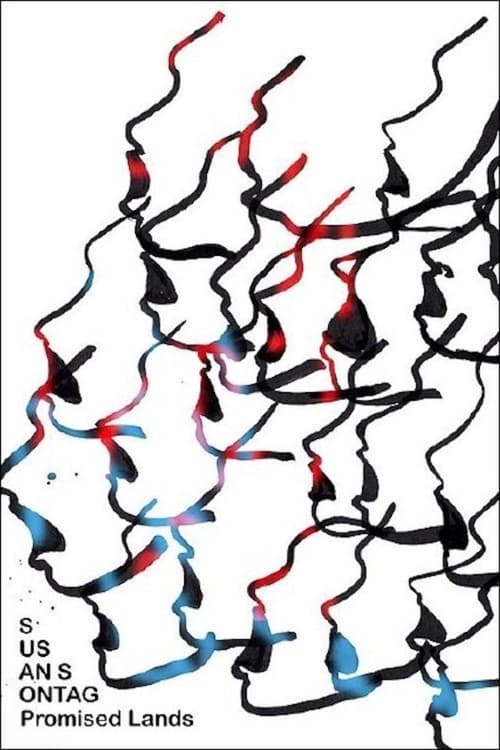
Representation Score
Good
1974
Director
Susan Sontag
Runtime
88 minutes
Average Rating
No ratings yetNew Showbiz Analysis
Susan Sontag’s documentary uses a postmodern, collage-like approach to examine the Arab-Israeli conflict. Instead of following a linear narrative, it utilizes a fragmented soundtrack and opposing intellectual voices to challenge established geopolitical clichés. The film excels at presenting multifaceted perspectives on sovereignty and identity. By avoiding a singular, authoritative viewpoint, it creates a sophisticated critique of nationalistic and religious fervor. However, the film's specific focus on high-level political discourse means it lacks representation of LGBTQ+ identities and disability. The scope is intellectual and geopolitical rather than social or character-driven.
Category Breakdown
The film does not include explicit representations of LGBTQ+ characters or non-binary identities. It focuses primarily on geopolitical and philosophical tensions within the Arab-Israeli conflict.
The visual collage structure avoids traditional 'great man' history clichés. By prioritizing fragmented perspectives over a singular authoritative male voice, the film offers a more nuanced view of society.
The film avoids monolithic depictions of the Middle East. It centers the tension of identity and land rights by featuring politically opposed thinkers to explore Palestinian sovereignty.
The work deconstructs the sacred by juxtaposing combat zones with religious sites like the Wailing Wall. It avoids moralistic viewpoints, favoring a complex exploration of situational ethics.
There is no evidence regarding the portrayal of physical or neurodivergent disabilities in this work.
Present on Screen
Limited or Absent
Official Synopsis
PROMISED LANDS is famed writer and critic Susan Sontag’s sole documentary project, shot in Israel on the fly in the final days and immediate aftermath of the 1973 Yom Kippur War.
2005
2011
1982

1992

2016
2024
1976
2007
No reviews yet. Be the first to share your thoughts on this movie!
Use the rating form above to leave a star rating and optional review.