
The Walls of Sana'a
1974
No user ratings available yet
Diversity score: 7.8 out of 10
1965
Director
Pier Paolo Pasolini
Runtime
55 minutes
Average Rating
No ratings yetSynopsis
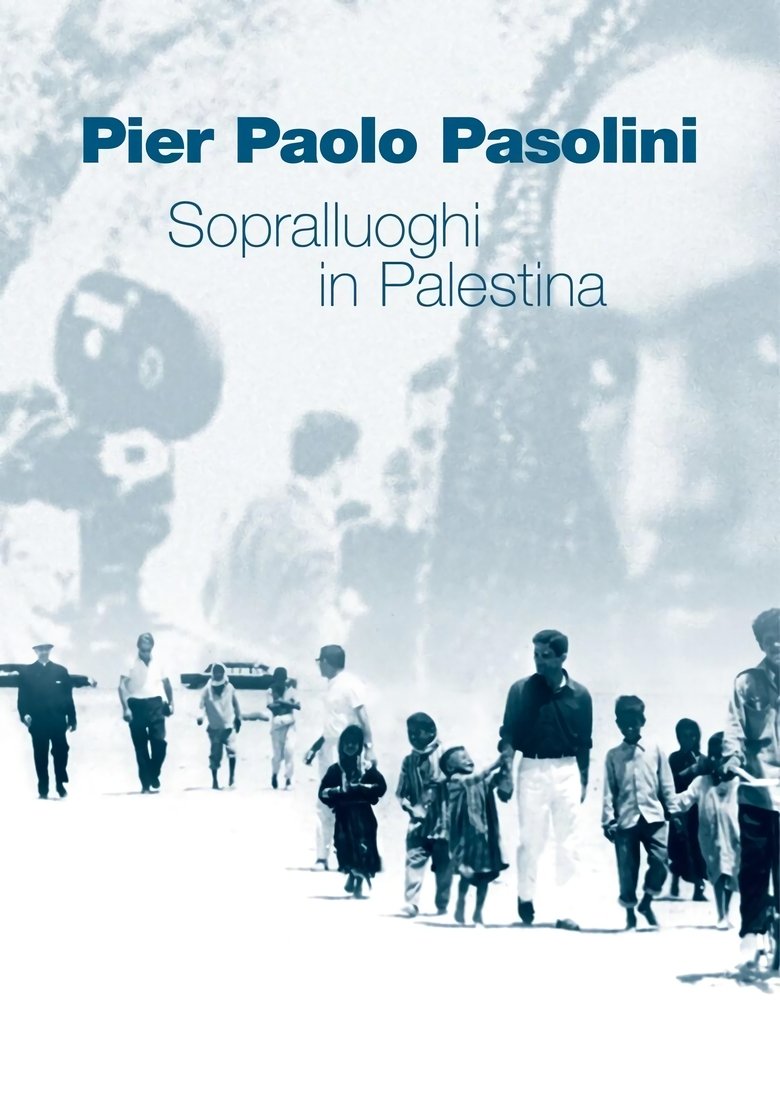
In 1963, accompanied by a newsreel photographer and a Catholic priest, Piero Paolo Pasolini traveled to Palestine to investigate the possibility of filming his biblical epic The Gospel According to Matthew in its approximate historical locations. Edited by The Gospel‘s producer for potential funders and distributors, Seeking Locations in Palestine features semi-improvised commentary from Pasolini as its only soundtrack. As we travel from village to village, we listen to Pasolini’s idiosyncratic musings on the teachings of Christ and witness his increasing disappointment with the people and landscapes he sees before him. Israel, he laments, is much too modern. The Palestinians, much too wretched; it would be impossible to believe the teachings of Jesus had reached these faces. The Gospel According to Matthew was ultimately filmed in Southern Italy. Mel Gibson would use some of the same locations forty years later for The Passion of the Christ.
Overall Score
Fair
Category Breakdown
LGBTQ+ Representation
The film lacks explicit depictions of non-cisnormative identities or same-sex intimacy. It does not engage with queer themes or critique heteronormativity through character arcs.
Gender Representation
The focus is almost exclusively on male youths and the director's perspective. It reinforces a homogenous gender landscape by omitting female agency and presence.
Racial & Ethnic Diversity
The film provides meaningful visibility to Palestinian subjects. By documenting the local population, it offers a grounded ethnographic perspective that disrupts an exoticized Western gaze.
Religious & Cultural Diversity
Pasolini critiques how modernity and Western influence corrupt the region's spiritual essence. The film frames contemporary structures as forces that alienate people from ancestral roots.
Disability Representation
There are no identifiable depictions of physical or neurodivergent disabilities. The film focuses on the naturalistic and social environment of the scouts.
Strengths
Areas for Improvement
AI Analysis
Pasolini’s documentary functions as a deconstructive piece of cinema rather than a traditional travelogue. It succeeds by using the landscape to critique the spiritual erosion caused by Western modernization and capitalist encroachment. However, the film is limited by a narrow demographic scope. The narrative centers on a strictly masculine experience, omitting female presence and failing to engage with queer identities or intersectional character depth. Ultimately, the work provides a complex, somber look at Palestinian identity. It balances authentic ethnographic visibility against the tension of a director's subjective, often disappointed, observer-subject relationship.
1974
1968
1975
2011
2011
2019
1964
1983
1979
1977
2016

2016
No reviews yet. Be the first to share your thoughts on this movie!
Use the rating form above to leave a star rating and optional review.