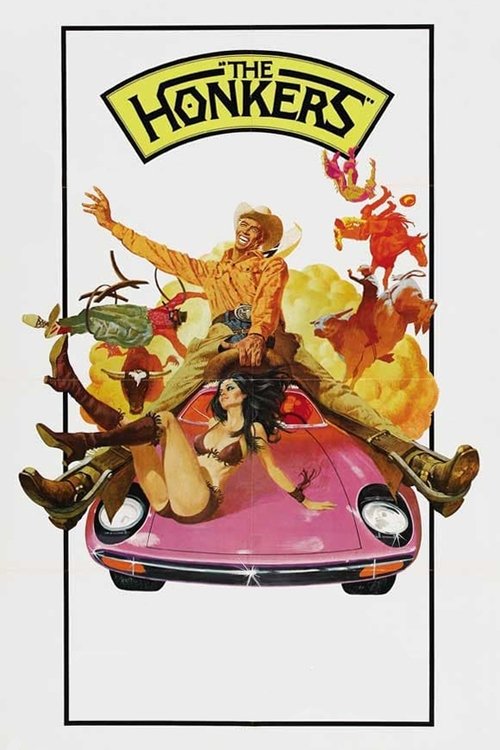
The Honkers
1972
No user ratings available yet
Diversity score: 3.2 out of 10
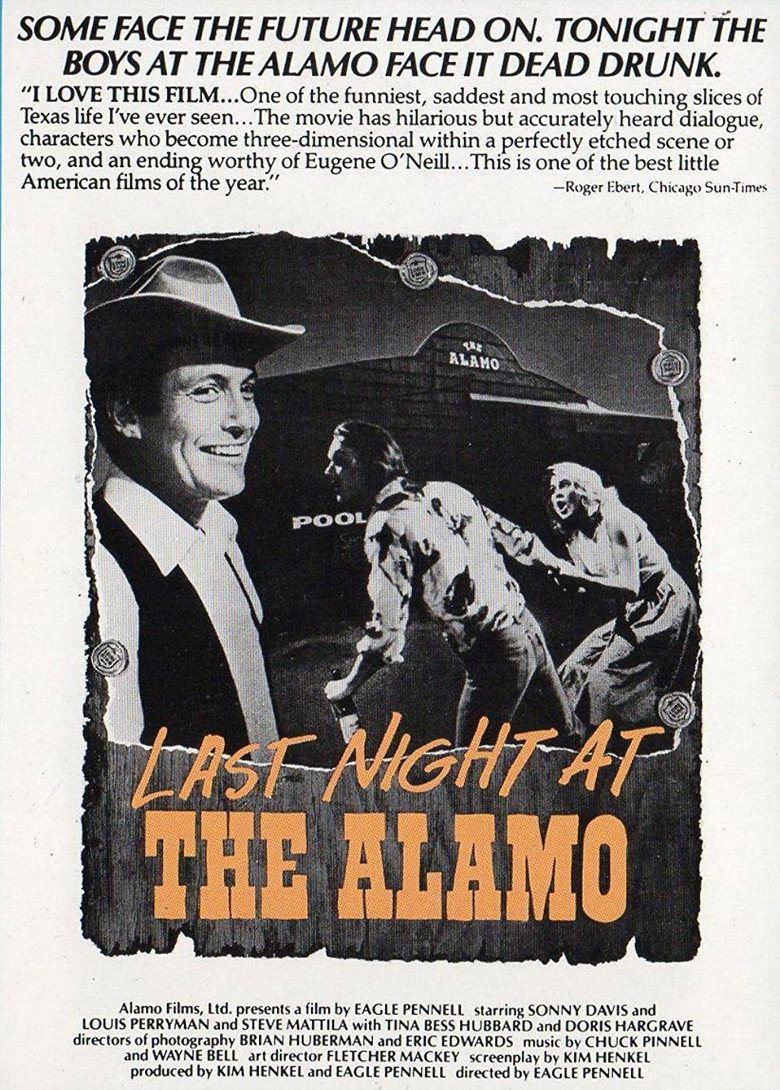
1984
Director
Eagle Pennell
Runtime
81 minutes
Average Rating
No ratings yetSynopsis
The events on the last night in the existence of a little suburban Houston pub. It has to be closed down for development reasons but one of the regular customers, Cowboy, seems to have friends in high places.
Overall Score
Limited
Category Breakdown
LGBTQ+ Representation
The film offers no evidence of LGBTQ+ characters or non-cisnormative identities. The narrative focuses on traditional, dysfunctional interpersonal dynamics within a blue-collar setting.
Gender Representation
Gender roles lean into regressive hierarchies, featuring a character who is physically and verbally abusive toward his partner. Domestic stability is framed through traditional lenses of male competence.
Racial & Ethnic Diversity
The cast reflects a homogeneous, localized demographic typical of a 1980s Houston dive bar. There is no explicit evidence of significant racial blending or non-white majority casting.
Religious & Cultural Diversity
The story critiques capitalist expansion and the loss of local identity through the demolition of a community space. It focuses on personal grievances and social dysfunction rather than secularism.
Disability Representation
There is no documented evidence regarding the inclusion of characters with visible or invisible disabilities.
Strengths
Areas for Improvement
AI Analysis
Last Night at the Alamo is a gritty character study of social decay and localized blue-collar life. While its independent, black-and-white aesthetic disrupts mainstream cinematic polish, the narrative remains tethered to conventional and often regressive social hierarchies. The film explores the deconstruction of the American Dream through the lens of urban development and personal instability. However, it lacks the intentionality needed to challenge systemic tropes, instead opting for a raw, unvarnished realism that often reinforces traditional power dynamics. Ultimately, the work prioritizes the portrayal of a specific, localized social stratum. It succeeds as a naturalistic study of a disappearing community but fails to provide meaningful representation across most intersectional categories.
1972
1975

1984
1991

1992
2004
1976
1993
1982

2000

1982
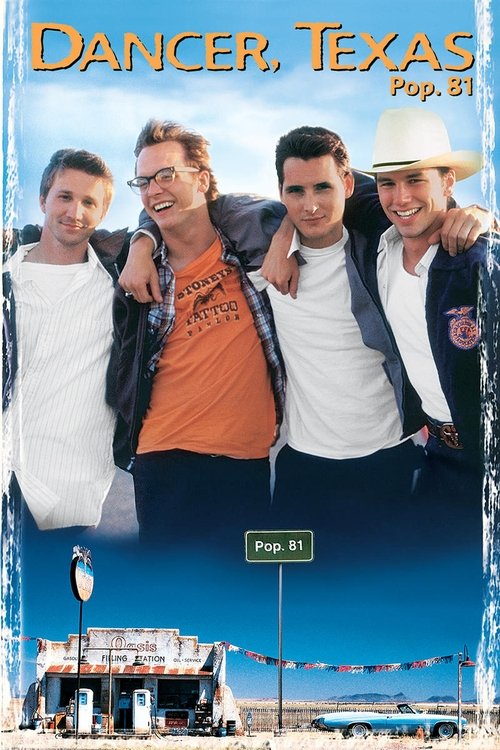
1998
No reviews yet. Be the first to share your thoughts on this movie!
Use the rating form above to leave a star rating and optional review.