
Hail the Artist
1973
No user ratings available yet
Diversity score: 3.4 out of 10
1972
Director
Steve Ihnat
Runtime
102 minutes
Average Rating
No ratings yetSynopsis
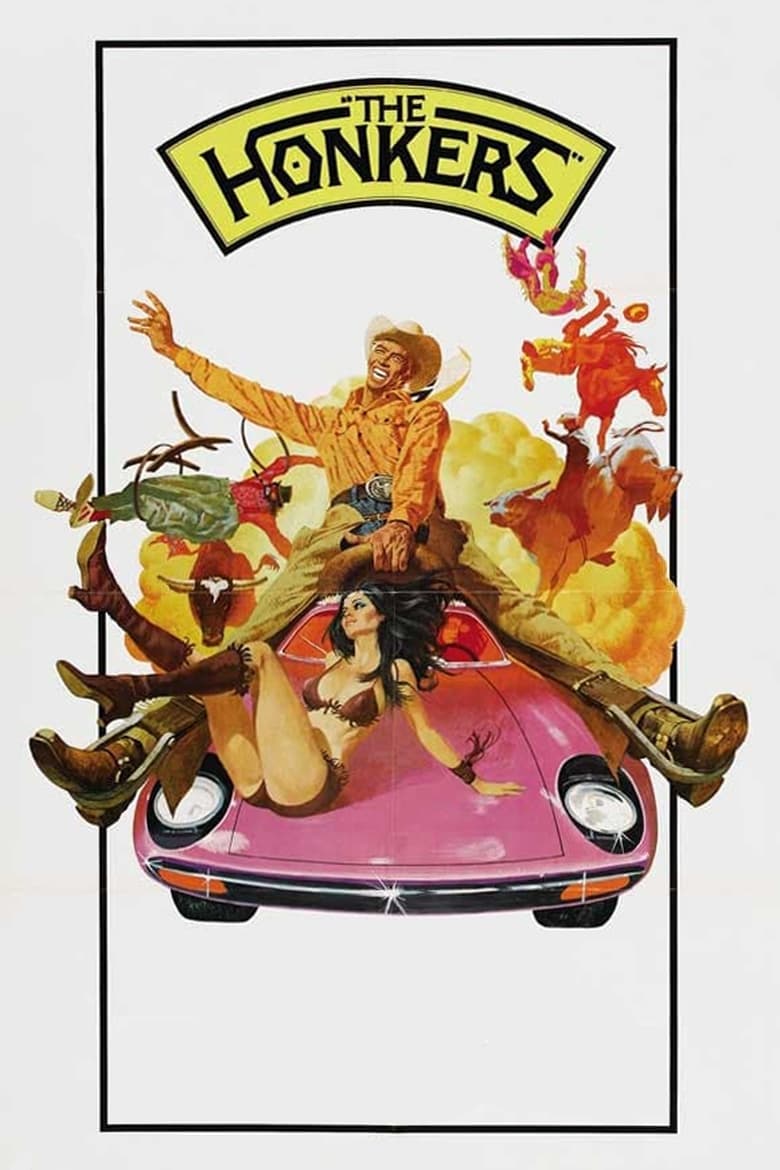
An over-the-hill rodeo champion is so self-centered that he ignores his wife, son, and best friend.
Overall Score
Limited
Category Breakdown
LGBTQ+ Representation
The film lacks any depiction of non-cisnormative identities or same-sex intimacy. The narrative appears centered on conventional heteronormative structures.
Gender Representation
The story focuses on a male protagonist whose ego disrupts his domestic life. Women and children seem to occupy secondary, reactive roles within a patriarchal setting.
Racial & Ethnic Diversity
The film likely reflects the demographic homogeneity of a 1970s American rodeo. There is no evidence of a diverse or non-white majority cast.
Religious & Cultural Diversity
The plot examines friction within a traditional nuclear family. It functions as a character study of individual dysfunction rather than a systemic critique.
Disability Representation
There is no documented evidence regarding the inclusion of characters with physical or neurodivergent disabilities.
Strengths
Areas for Improvement
AI Analysis
The Honkers is a character-driven drama that operates strictly within the social and demographic paradigms of 1972. The narrative focuses on the personal failings of a rodeo champion, prioritizing individualistic flaws over broader social or intersectional themes. Because the film centers on a traditional nuclear family and a male-dominated rodeo setting, it lacks representation for LGBTQ+ identities and diverse racial groups. The storytelling follows a conventional framework that does not challenge established cultural hierarchies. Ultimately, the film serves as a study of a self-centered man rather than a vehicle for systemic deconstruction or inclusive storytelling.
1973

1984

1987
1969
1959

2005
1984
1964
1976

2014
1973
1980
No reviews yet. Be the first to share your thoughts on this movie!
Use the rating form above to leave a star rating and optional review.