Shaking the Tree
1991
No user ratings available yet
Diversity score: 3.2 out of 10
2000
RDirector
Adam Collis
Runtime
90 minutes
Average Rating
No ratings yetSynopsis
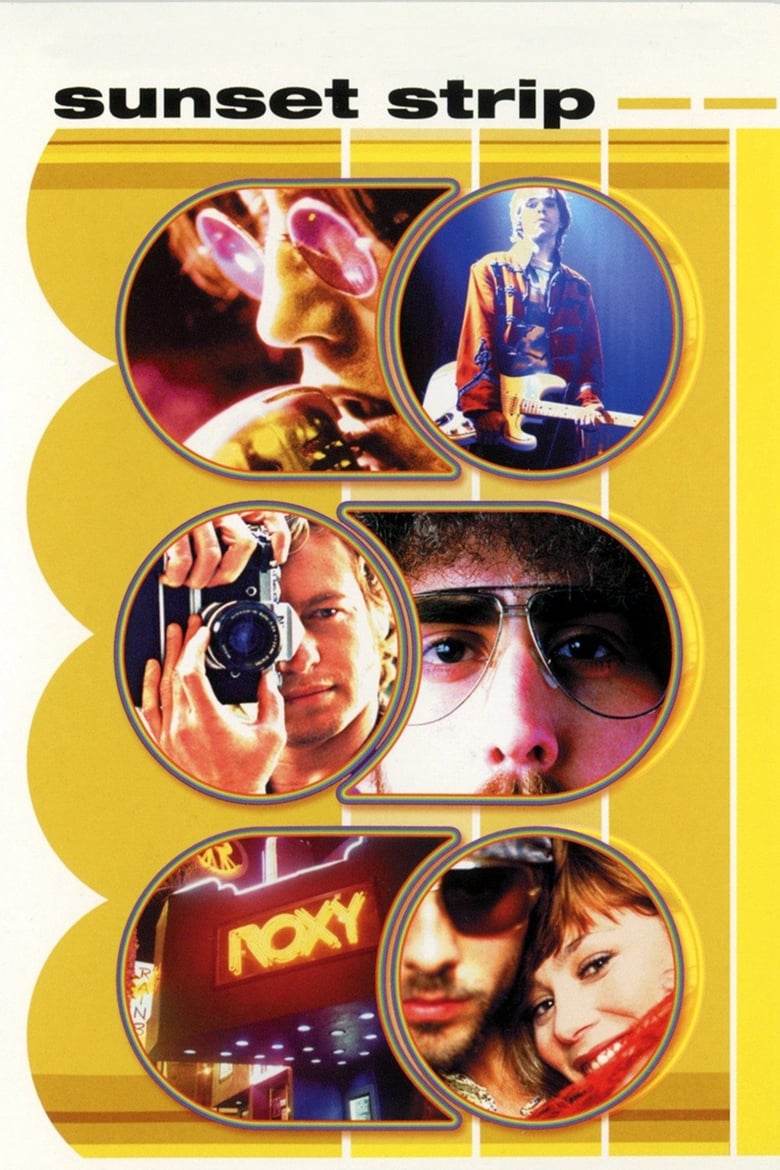
A day in Hollywood, 1972, with young people looking for the 24 hours that will change their lives. Zach will open that night for a British rocker at Whisky a Go-Go; he lives in a canyon and plays impromptu duets with a mysterious guitarist he doesn't see. Tammy is a costume designer, open to quick sex with the various rockers she works with and loved from afar by Michael, a photographer recovering from a case of the clap. His good friend is Felix, a morose, alcoholic songwriter. On hand for comic relief is Marty Shapiro, a fast-talking record producer. Getting ready for the gig at the club, Zach's performance, and the early-morning aftermath comprise the film.
Overall Score
Limited
Category Breakdown
LGBTQ+ Representation
The film captures the sexual liberation of 1972 Hollywood but lacks explicit queer identities. While interpersonal dynamics are present, there is no verifiable evidence of intentional LGBTQ+ agency.
Gender Representation
Tammy serves as a professional costume designer, yet her role is largely defined by her sexual availability to male rockers. The narrative fails to subvert traditional gender hierarchies.
Racial & Ethnic Diversity
The story centers on a canyon lifestyle and rock scene that appears demographically homogeneous. There is no mention of characters from diverse ethnic backgrounds.
Religious & Cultural Diversity
The film explores bohemian, secular values through characters dealing with alcoholism and casual sex. It functions as a subculture study rather than a critique of Western institutions.
Disability Representation
The narrative contains no evidence regarding the inclusion of characters with physical, sensory, or neurodivergent disabilities.
Strengths
Areas for Improvement
AI Analysis
Sunset Strip functions as a period-specific character study of the 1972 Hollywood rock scene. It leans heavily into the hedonistic and secular tropes of the era, focusing on a localized subculture of musicians and designers. While the film touches on social non-conformity through themes of alcoholism and casual sex, it lacks intersectional depth. The characters appear to follow traditional, non-diverse archetypes common to the genre. Ultimately, the film prioritizes the atmosphere of a specific bohemian milieu over a diverse or progressive narrative architecture.
1991
1995
1995
1992
1985
2021
1988
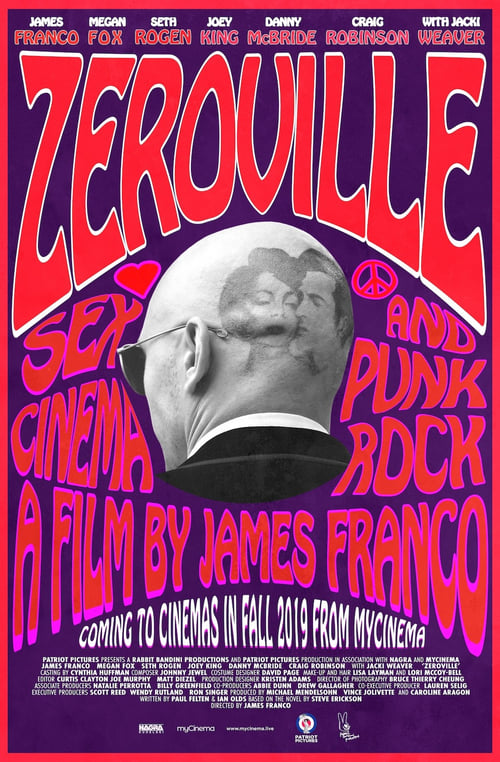
2019
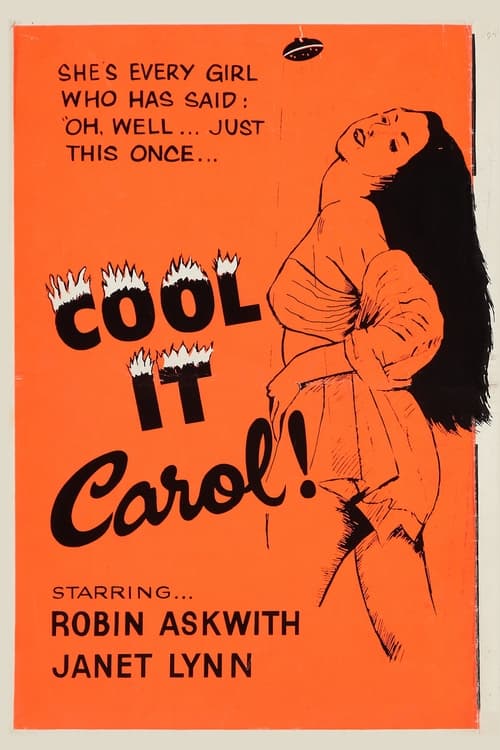
1970
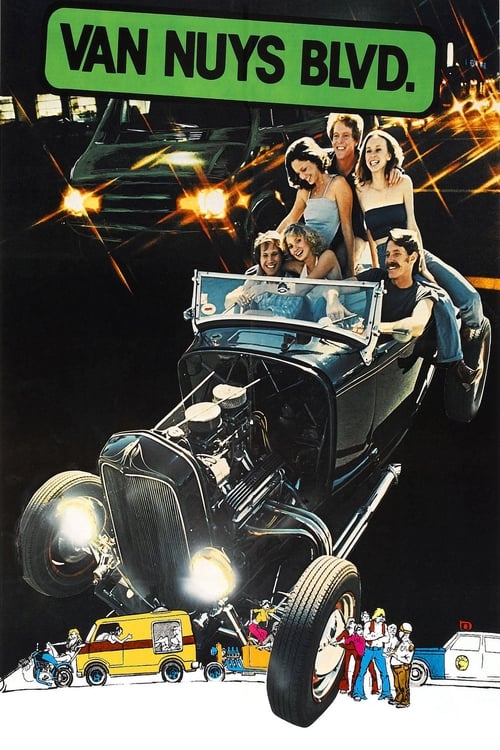
1979
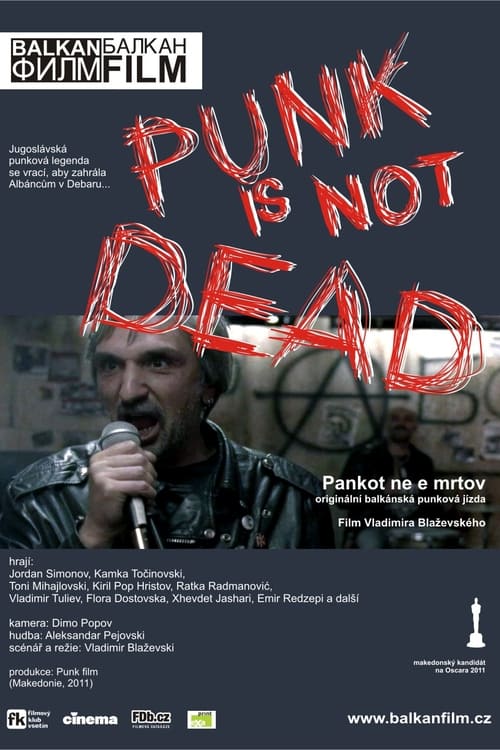
2011
2011
No reviews yet. Be the first to share your thoughts on this movie!
Use the rating form above to leave a star rating and optional review.