Our Very Own
2005
No user ratings available yet
Representation score: 3.5 out of 10
Representation Score
Limited
1976
PGDirector
Rod Amateau
Runtime
96 minutes
Average Rating
No ratings yetNew Showbiz Analysis
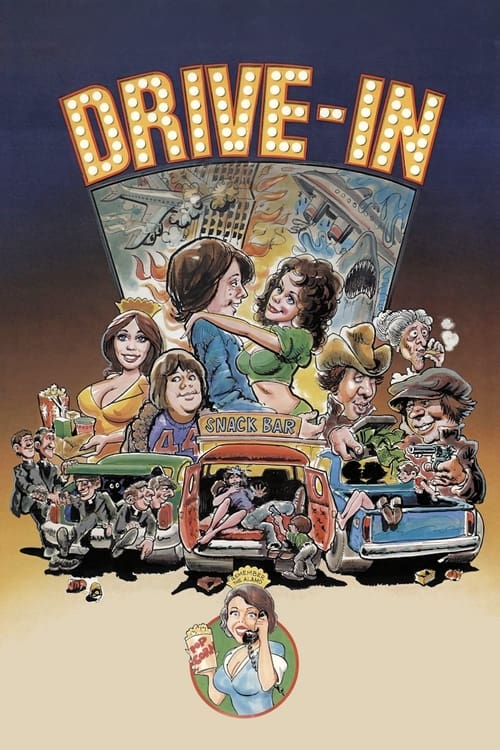
Drive-In is a period-specific genre piece that prioritizes situational comedy over social commentary. The narrative structure relies on conventional clichés from the mid-70s, focusing on localized conflicts such as rival gangs and petty crime. While the film includes a diverse cast for its era, it lacks the depth needed to challenge systemic norms. The production leans towards accessible, low-budget entertainment rather than exploring progressive themes. Ultimately, the film serves as a typical juvenile comedy that adheres to the social constraints and traditional hierarchies of its time.
Category Breakdown
The film centers on teenagers, gangs, and thieves in a small Texas town. It does not include any non-binary or LGBTQ+ identities or stories that challenge the assumption that everyone is straight or cisgender.
The ensemble features actresses like Lisa Lemole, but the plot emphasizes masculine roles. Women do not seem to play a significant role in driving the narrative or challenging gendered expectations.
The cast includes actors like Bill McGhee and Jessie Lee Fulton, indicating some racial diversity. However, the focus on youth gangs may rely on familiar cinematic formulas.
The story presents a localized slice-of-life comedy that upholds traditional social structures without critiquing Western institutions or religion.
Available plot summaries and synopses do not mention characters dealing with physical or neurodivergent conditions.
Present on Screen
Limited or Absent
Official Synopsis
The adventures of a group of teenagers at a drive-in theatre in Texas one weekend night.
2005
1980
1992
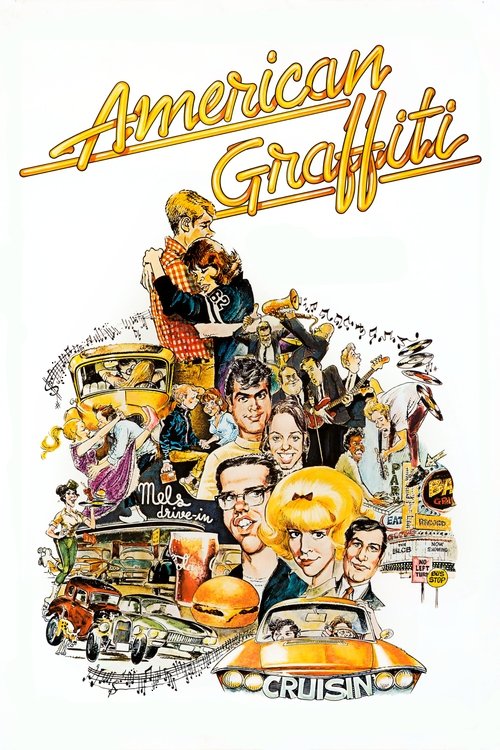
1973
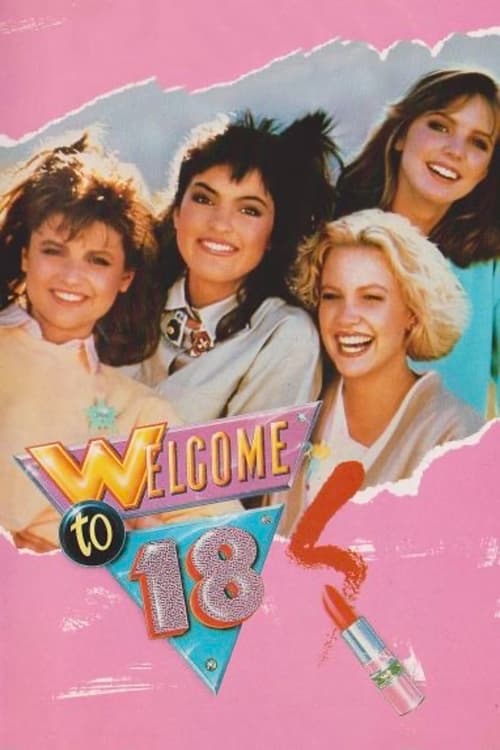
1986
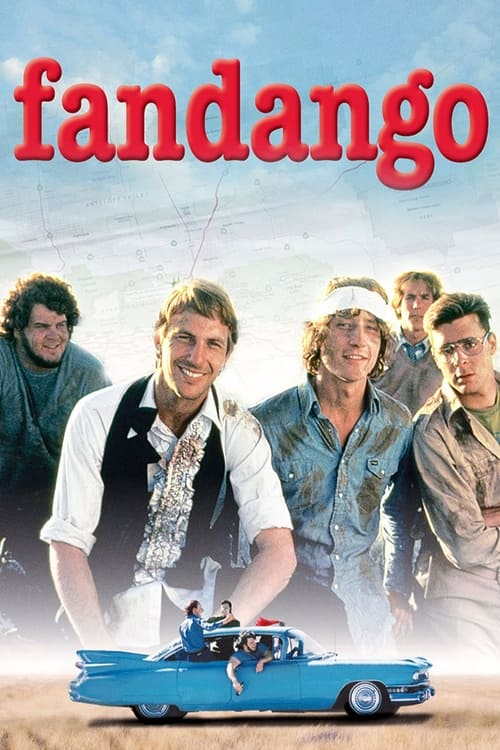
1985
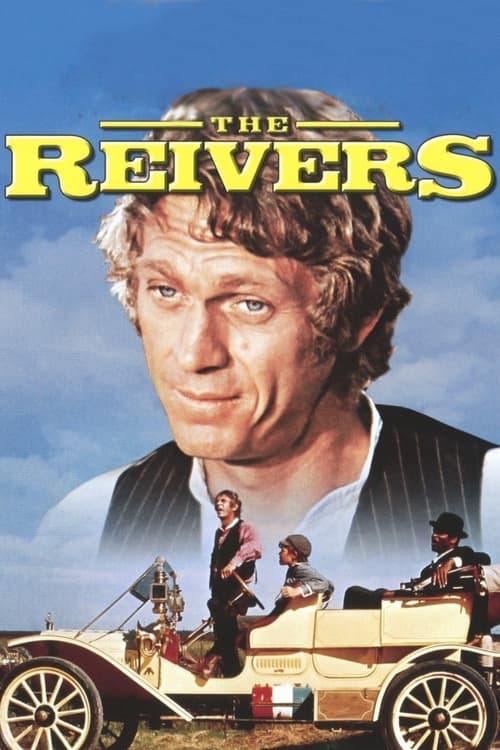
1969
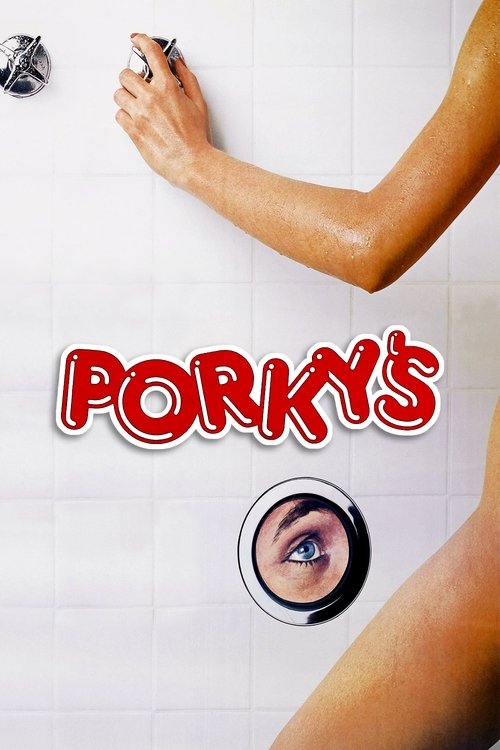
1981
No reviews yet. Be the first to share your thoughts on this movie!
Use the rating form above to leave a star rating and optional review.