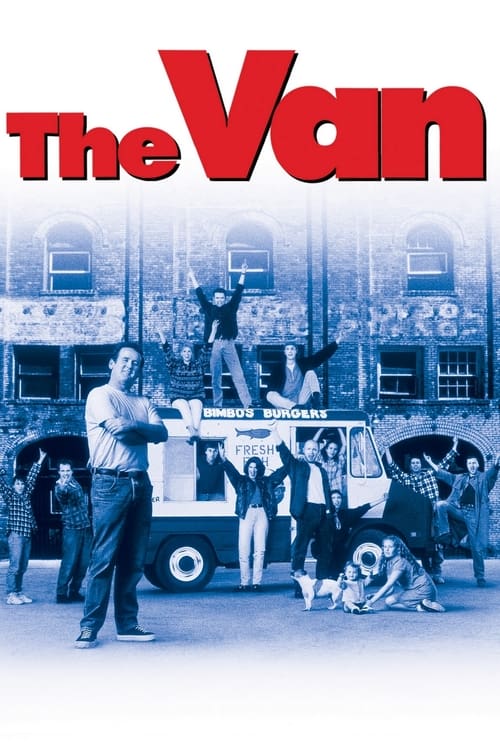
The Van
1996
No user ratings available yet
Diversity score: 2.5 out of 10
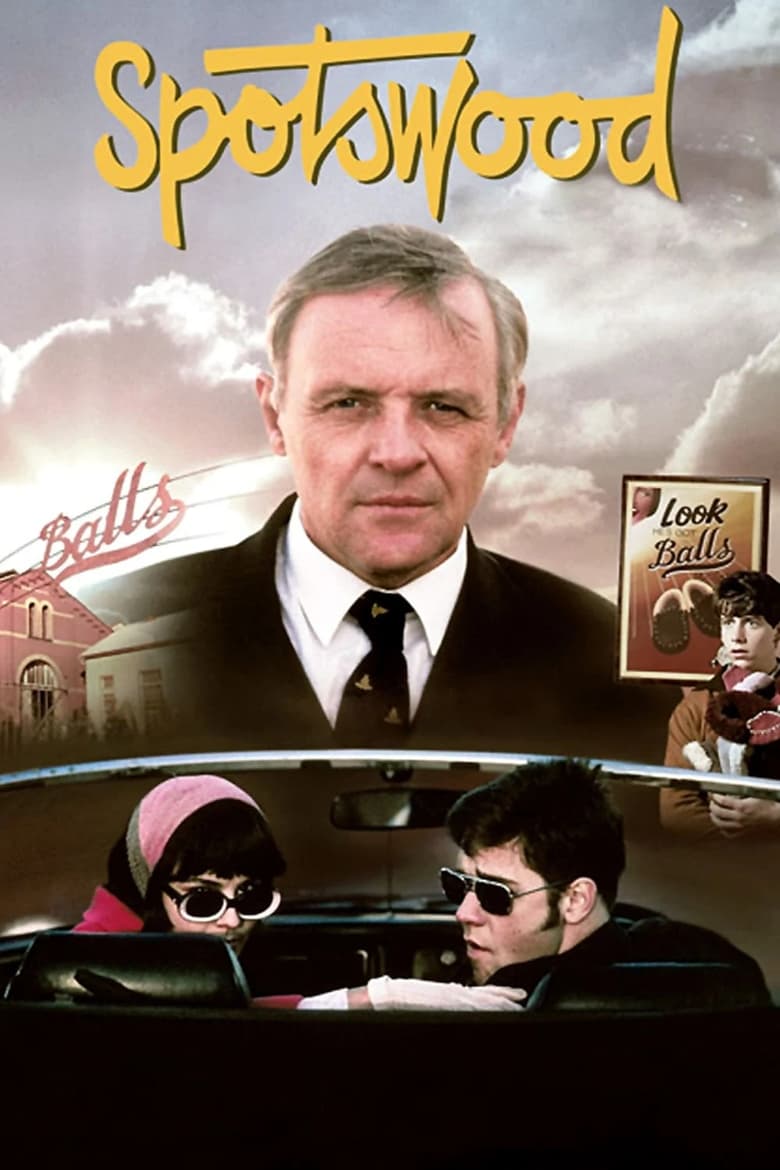
1992
PGDirector
Mark Joffe
Runtime
95 minutes
Average Rating
No ratings yetSynopsis
Wallace is an efficiency expert, managing the high-profile downsizing of a major auto parts factory. But when he is hired to evaluate a small moccasin factory which seems from another era, Wallace has to reconsider the rapid modernization he advocates, as he is confronted by the human faces such plans hurt.
Overall Score
Limited
Category Breakdown
LGBTQ+ Representation
The film adheres to the heteronormative social structures of 1915. There is no evidence of non-cisnormative identities or same-sex intimacy.
Gender Representation
Agency is concentrated within a male-centric framework driven by cricket players. Women function primarily in traditional domestic roles rather than as narrative drivers.
Racial & Ethnic Diversity
The cast is predominantly white and Anglo-Saxon, reflecting the demographic realities of rural Australia in 1915. The film lacks significant racial or ethnic plurality.
Religious & Cultural Diversity
The story critiques imperial expectations by favoring local community over WWI enlistment. It explores the tension between imperial duty and local autonomy.
Disability Representation
There are no prominent depictions of visible or invisible disabilities. Characters function within standard physical and neurotypical parameters.
Strengths
Areas for Improvement
AI Analysis
Spotswood is a period comedy that prioritizes historical authenticity over modern social subversion. It captures the homogeneous, Anglo-Saxon atmosphere of early 20th-century rural Australia, which limits its demographic breadth. The narrative focuses heavily on masculine camaraderie and traditional gender hierarchies. While it offers a subtle critique of British imperialist mandates through its characters' desire for local leisure, it remains anchored in the social structures of its era. Ultimately, the film lacks intersectional complexity. It functions as a character-driven study of colonial life rather than a platform for diverse representation.
1996
1996
1981

1976

1995

2022
2008
1993

2003

2014

2001
2016
No reviews yet. Be the first to share your thoughts on this movie!
Use the rating form above to leave a star rating and optional review.