
Tomorrow Was the War
1987
No user ratings available yet
Representation score: 2.9 out of 10
Representation Score
Fair
1988
Director
Ali Khamraev
Runtime
98 minutes
Average Rating
No ratings yetNew Showbiz Analysis
Ali Khamraev’s film shifts the historical focus from battlefield heroism to the fragile domestic sphere. By emphasizing the psychological premonition of loss felt by three sisters, the film avoids traditional epic clichés of the Great Patriotic War era. The narrative structure is progressive as it refuses to align with state-sponsored heroism. Instead, it highlights how political volatility and the designation of 'enemies of the people' fracture the foundational family unit. While the film lacks modern identity politics or disability representation, it succeeds as a piece of historical revisionism. It emphasizes the human cost of systemic instability through a deeply personal, Central Asian perspective.
Category Breakdown
The film focuses on traditional family structures and does not include any LGBTQ+ characters or narratives that challenge the assumption that everyone is straight or cisgender.
The story centers around the perspectives of three sisters and their grandmother, highlighting their roles and emotions rather than typical masculine military narratives.
The film provides important representation of Central Asian identities, offering a localized, non-Western perspective that contrasts with the more common Slavic-centric views in historical dramas.
The story deconstructs idealized historical myths by showing state institutions as sources of domestic trauma. It prioritizes the subjective emotional truths of characters over state-sanctioned patriotic narratives.
There are no specific details about visible or invisible disabilities in the narrative.
Present on Screen
Limited or Absent
Official Synopsis
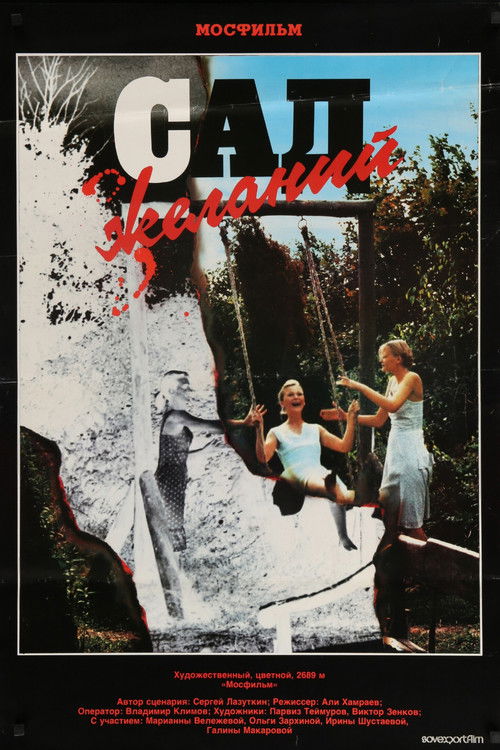
The film is set during the last summer before the Great Patriotic War. Three sisters are coming to stay with their grandmother in the village. They imagine the world as a vast and charming "Garden of desires" and all members of the household are waiting for Asya's birthday. Asya has a sense of foreboding regarding the impending grief. Guests come to visit but none of them are her parents. She still does not know that her father was declared an enemy of the people, that tomorrow she will not see her mother and that the war is approaching.
1987

1994

1986

2008

1971

2018

1968

1957
No reviews yet. Be the first to share your thoughts on this movie!
Use the rating form above to leave a star rating and optional review.