
Young Girls in Black
2010
No user ratings available yet
Diversity score: 5.7 out of 10
1986
Average Rating
No ratings yetSynopsis
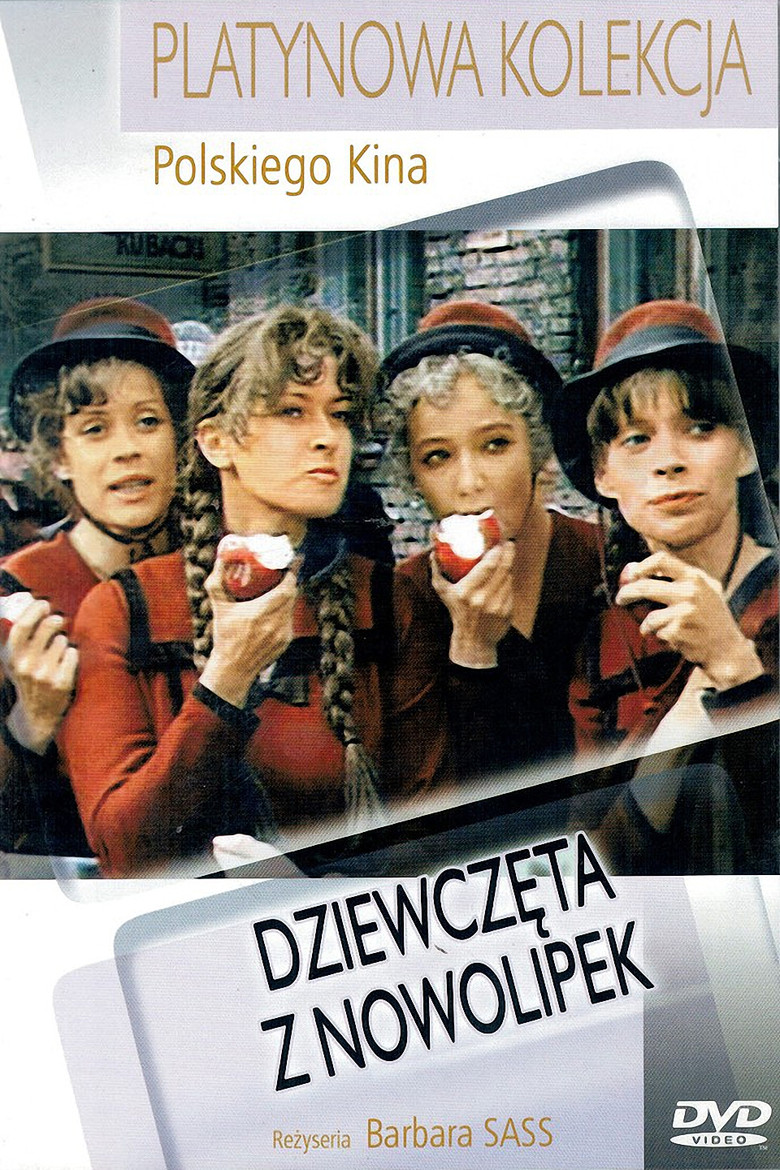
Coming of age story of four girls living in the same poor district of Warsaw just before the outbreak of World War One.
Overall Score
Good
Category Breakdown
LGBTQ+ Representation
The film lacks explicit evidence of non-heteronormative identities. Given the 1986 production and pre-WWI setting, the narrative appears focused on survival and class rather than queer visibility.
Gender Representation
By centering four female protagonists, the film disrupts traditional male-centric historical epics. It shifts the gaze toward the lived experiences and agency of young women navigating systemic poverty.
Racial & Ethnic Diversity
The cast likely reflects the ethnically homogeneous demographic of pre-WWI Warsaw. However, the focus on a poor district allows for an exploration of marginalized social strata through class.
Religious & Cultural Diversity
The setting suggests a critique of European institutional stability. The narrative uses social realism to challenge idealized history by focusing on the struggles of a disenfranchised urban district.
Disability Representation
There is no evidence regarding the inclusion or portrayal of characters with physical or neurodivergent disabilities.
Strengths
Areas for Improvement
AI Analysis
Barbara Sass utilizes social realism to center female subjectivity within a restrictive socio-economic framework. The film subverts traditional historical narratives by prioritizing the coming-of-age experiences of young women over grand political movements. While the period setting and era of production limit modern intersectional markers, the film succeeds in exploring class-based struggle. It provides a nuanced look at how marginalized populations navigate systemic hardship on the brink of war.
2010
1986

2013
1990

1989

1989

2006

1986
1966

1960

2008

1987
No reviews yet. Be the first to share your thoughts on this movie!
Use the rating form above to leave a star rating and optional review.