Actress
1943
No user ratings available yet
Representation score: 5.6 out of 10
Representation Score
Limited
1960
Director
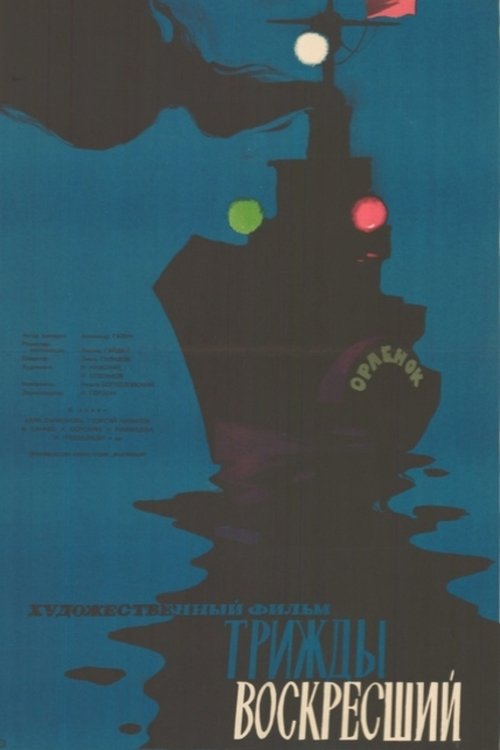
Leonid Gaidai
Runtime
80 minutes
Average Rating
No ratings yetNew Showbiz Analysis
Thrice Resurrected is a historical drama that emphasizes the myth of the collective over individual identity. Spanning the Russian Civil War and World War II, the film focuses on the endurance of the state and the shared struggle of the people. The narrative structure relies on themes of sacrifice and continuity. While it effectively portrays the strength of a communal mission, it lacks nuanced representation of diverse identities or multi-layered ability to act found in modern cinema. Ultimately, the film serves as a tool for historical myth-making, emphasizing the heroism of the group at the expense of complex, individual character studies.
Category Breakdown
The film does not include any LGBTQ+ identities or same-sex relationships. It follows traditional social structures typical of Soviet cinema from the 1960s.
Men hold most of the central roles, particularly in the military context. Women appear mainly in caretaking roles but do not have significant influence over the plot.
The cast is likely predominantly Slavic. While it may reflect Soviet ideals of internationalism, specific ethnic diversity is not detailed.
The film highlights communal resilience and collective struggle. It uses historical conflicts to emphasize shared purpose and systemic resistance.
Wounded soldiers are present but serve more as symbols of sacrifice rather than as individuals with independent ability to act.
Present on Screen
Limited or Absent
Official Synopsis
In 1919, on the tow boat Komsomol went to beat the whites. During the Second World War, during the heroic battle on the Volga on this boat were transporting wounded soldiers and children
1943
1974
1936
2002
1936
2003
1991
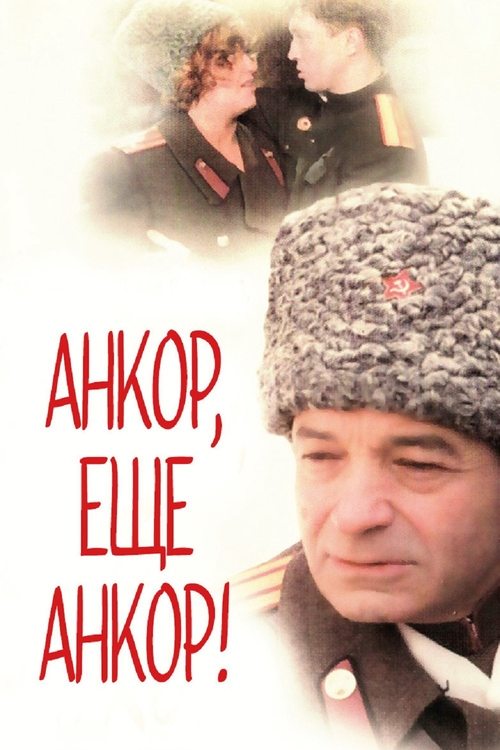
1992
No reviews yet. Be the first to share your thoughts on this movie!
Use the rating form above to leave a star rating and optional review.