
The Milky Way
1936
No user ratings available yet
Representation score: 1.6 out of 10
Representation Score
Limited
1935
ApprovedDirector
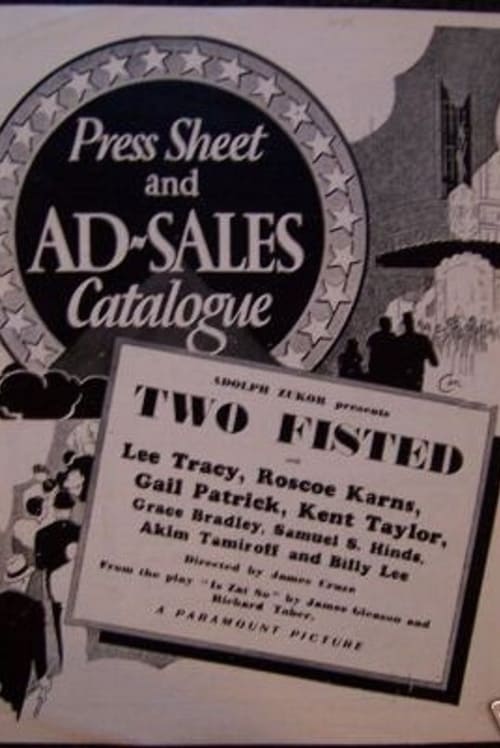
James Cruze
Runtime
60 minutes
Average Rating
No ratings yetNew Showbiz Analysis
Two-Fisted is a product of its era, relying heavily on the conventional genre clichés of 1930s studio filmmaking. The narrative focuses on the masculine world of boxing management and prizefighting, prioritizing athletic competition and individual moral struggles over social complexity. The film adheres to traditional storytelling structures, using standard romantic subplots and archetypal 'shady characters.' It lacks depth in reflecting multiple aspects of identity, instead reinforcing the period's dominant social hierarchies and demographic norms. Ultimately, the film functions as a straightforward genre piece, emphasizing personal redemption and professional ambition rather than challenging systemic social or cultural structures.
Category Breakdown
The film does not include any non-straight or non-cisgender identities. The romantic subplot follows typical 1930s heterosexual norms.
The story focuses on a male-dominated boxing world. Female characters play secondary roles to the male archetypes of physical strength and competition.
The film likely reflects the homogeneous demographics of 1930s American cinema. There is no indication of significant non-white character involvement.
The film relies on classic clichés like shady characters and individual redemption. It emphasizes traditional Western values of perseverance within existing social structures.
A character's drinking problem is used as a plot device for a comeback. There is no detailed exploration of chronic health or neurodivergence issues.
Present on Screen
Limited or Absent
Official Synopsis
A fast-talking boxing manager and the somewhat hapless fighter he manages happen to run into a young man who was a good prizefighter in his day but is now out of the sport and has a drinking problem. They decide to train him for a big match, and in the process find themselves involved in romance, shady characters and a possible kidnapping.
1936
1934
1936
1933
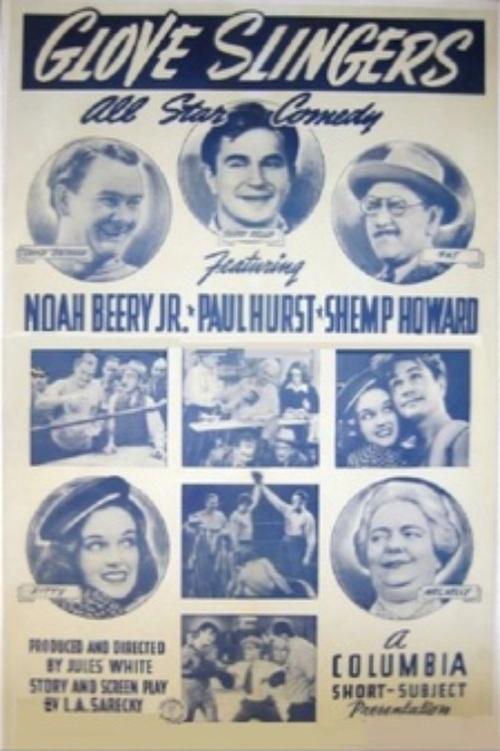
1939
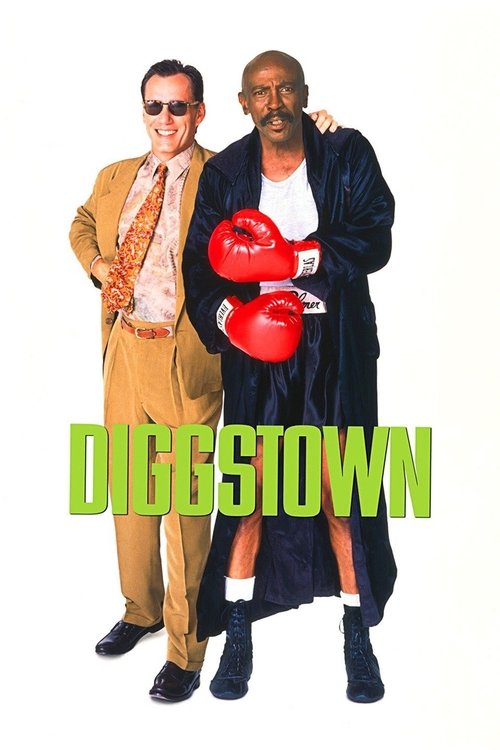
1992
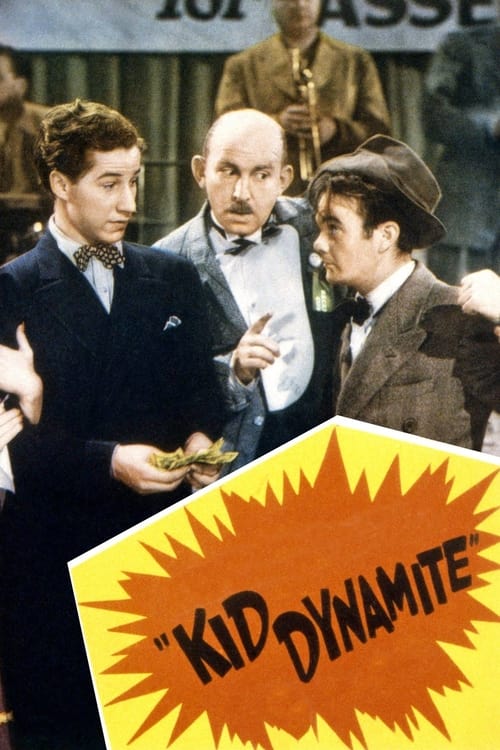
1943
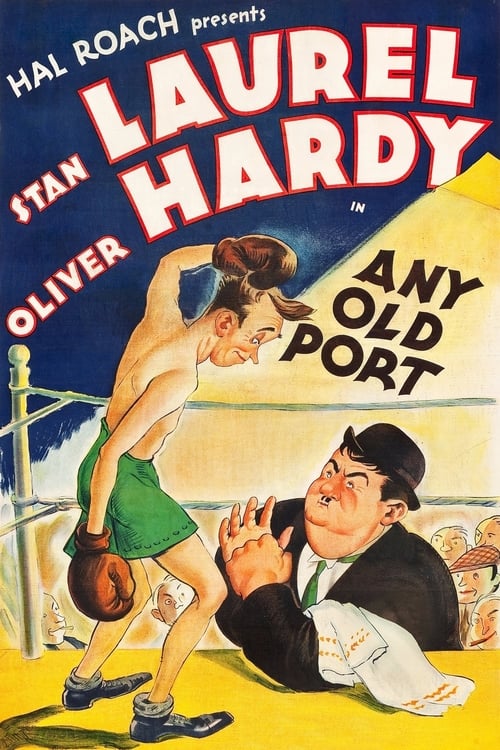
1932
No reviews yet. Be the first to share your thoughts on this movie!
Use the rating form above to leave a star rating and optional review.