Glove Affair
1941
No user ratings available yet
Representation score: 1.4 out of 10
Representation Score
Minimal
1939
ApprovedDirector
Jules White
Runtime
18 minutes
Average Rating
No ratings yetNew Showbiz Analysis
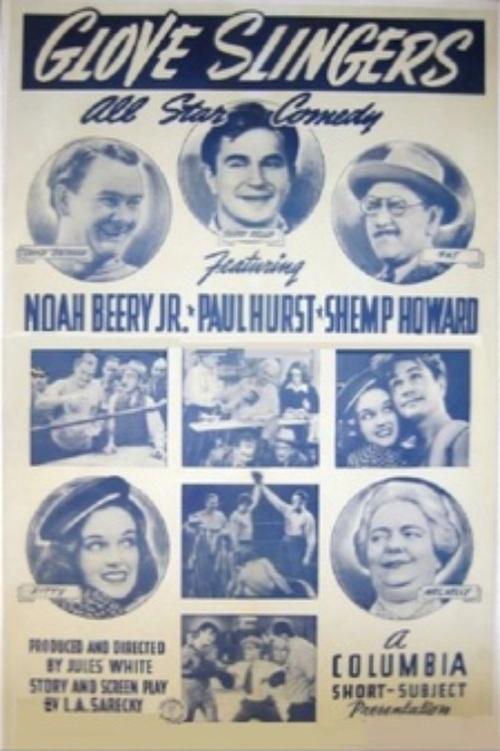
Glove Slingers is a product of the traditional Hal Roach Studios system, emphasizing slapstick humor over social complexity. The narrative hinges on a standard cliché of dramatic irony, where a personal connection complicates a professional rivalry. The film lacks depth in representing diverse identities, focusing instead on a conventional comedic structure. It reflects the era's preference for broad, singular character motivations over nuanced representation. Ultimately, the work serves as a typical comedy of its time, adhering to established social norms of the late 1930s.
Category Breakdown
The film focuses solely on heterosexual relationships, with the main character and his girlfriend being the central couple. There is no representation of non-straight or non-cisgender identities.
Female characters play supporting roles, mainly serving as motivators for the male protagonists. They remain passive in the conflicts presented in the film.
The film does not include any indication of racial diversity. The cast seems to follow traditional casting practices of the time without specifying any particular ethnic backgrounds.
The plot adheres to traditional Western narrative structures emphasizing competition and personal honor. It aligns with the individualistic social norms prevalent in 1939.
There is no mention of neurodivergence or physical disabilities in the film. The focus is entirely on the physical comedy of the boxing ring.
Present on Screen
Limited or Absent
Official Synopsis
A fighter trains for the big bout, and discovers that his opponent is his girlfriend's brother.
1941
1926
1941
1934
1947
1955
1952
1959
No reviews yet. Be the first to share your thoughts on this movie!
Use the rating form above to leave a star rating and optional review.