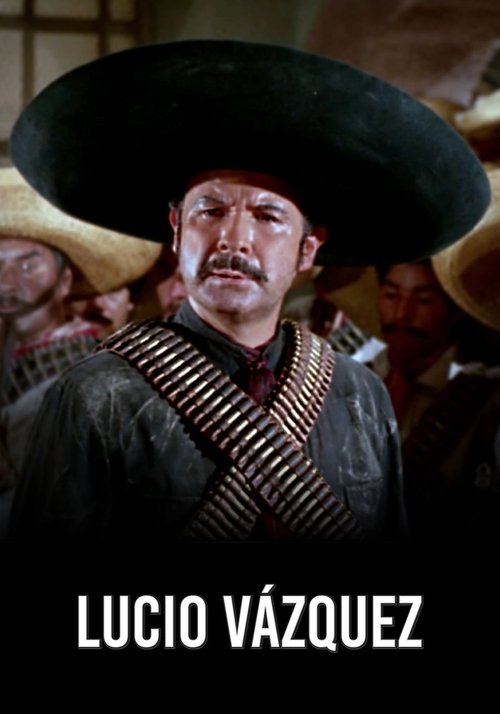
Lucio Vazquez
1968
No user ratings available yet
Representation score: 2.8 out of 10
Representation Score
Limited
2004
Director
Alfonso Arau
Runtime
91 minutes
Average Rating
No ratings yetNew Showbiz Analysis
Alfonso Arau’s epic is a powerful example of post-colonial storytelling that prioritizes indigenous sovereignty and class struggle. It successfully deconstructs Western-centric historical clichés by centering the Mexican peasantry and shamanistic traditions. However, the film remains bound by the patriarchal constraints of its historical setting. While it excels in ethnic authenticity, it offers limited gender diversity or LGBTQ+ representation. Ultimately, the film is a specialized work that prioritizes deep cultural and racial authenticity over broad social inclusivity.
Category Breakdown
The film does not include any LGBTQ+ characters or narratives. The social environment adheres closely to traditional historical structures, without challenging assumptions about sexual orientation or gender identity.
The story focuses on male-driven political and military conflicts. Women exist within the social fabric but are confined to traditional roles and do not have the power to drive the revolutionary plot.
The film highlights indigenous and mestizo identities effectively. By emphasizing campesinos and shamanistic elements, it provides strong cultural specificity and ability to act to characters of color.
The story critiques centralized state power and capitalist land ownership. It presents the dismantling of the Porfirian dictatorship as a necessary moral step for the peasantry.
There are no prominent depictions of visible or invisible disabilities. No characters use disability as a central plot device or defining trait.
Present on Screen
Limited or Absent
Official Synopsis
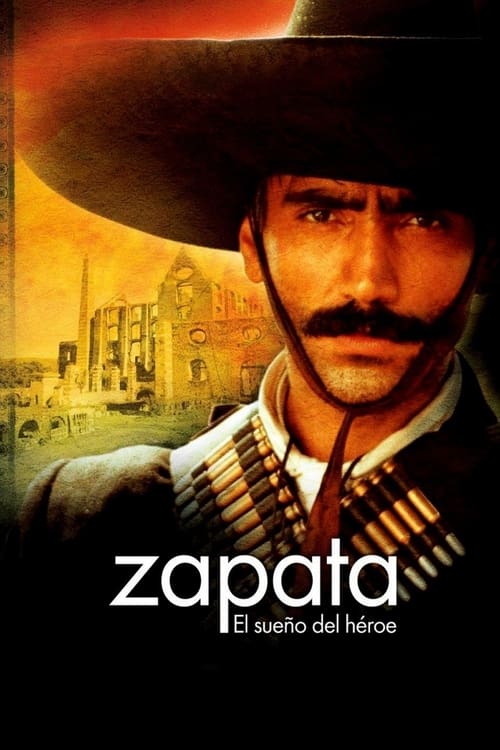
This fictionalized portrayal of Emiliano Zapata as an Indigenous Mexican shaman, directed by Alfonso Arau, was reportedly the most expensive Mexican movie ever produced, with a massive ad campaign, and the largest ever opening in the nation's history. Unusual in the Mexican film industry, Zapata was financed independently.
1968
1952
1950
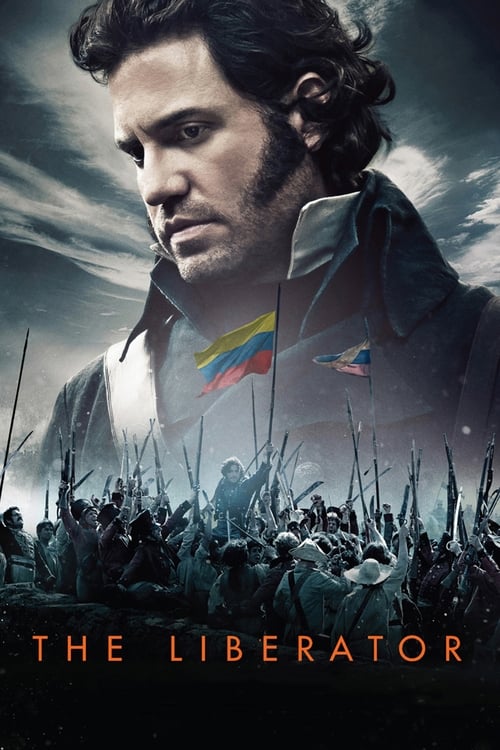
2013
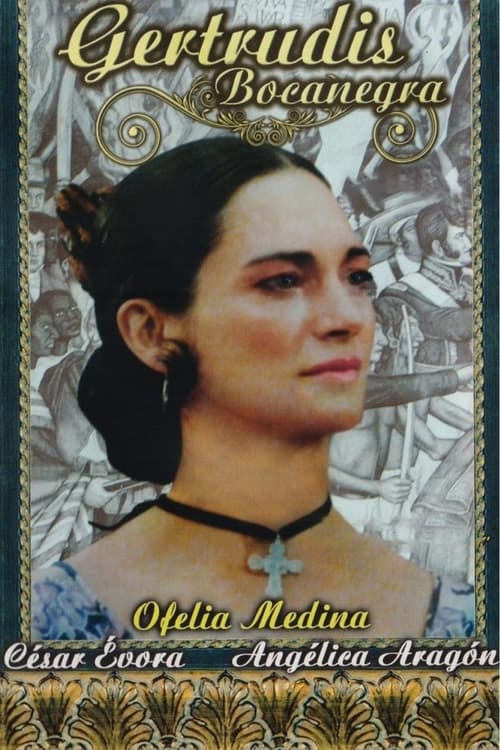
1992
1929
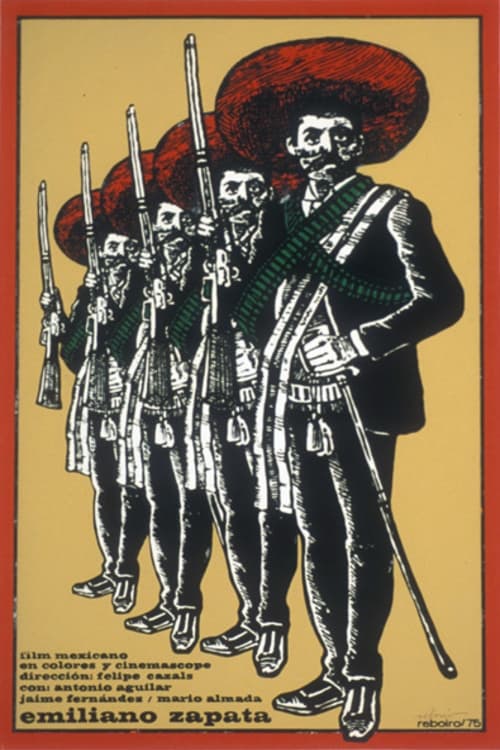
1970
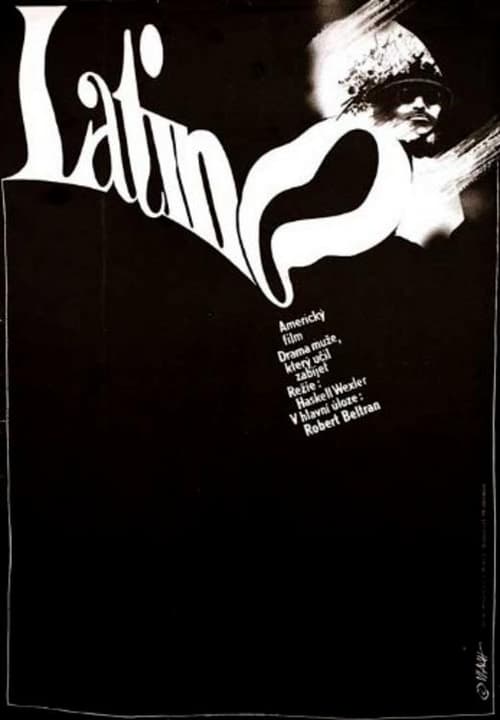
1985
No reviews yet. Be the first to share your thoughts on this movie!
Use the rating form above to leave a star rating and optional review.