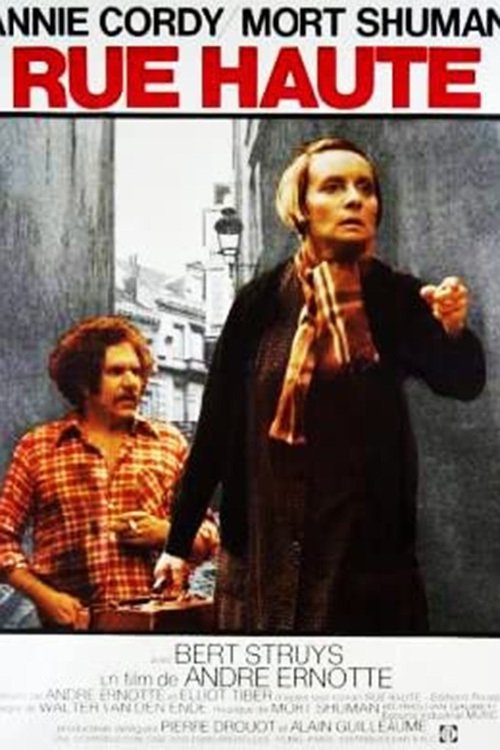
High Street
1976
No user ratings available yet
Representation score: 7.7 out of 10
Representation Score
Excellent
1964
Director
Alain Jessua
Runtime
92 minutes
Average Rating
No ratings yetNew Showbiz Analysis
Alain Jessua’s satire succeeds by transforming the protagonist's psychological retreat into a critique of societal structures. The film's strength lies in its ability to frame the rejection of conformity as an enlightened pursuit of truth. However, the work is limited by its narrow social focus. The narrative remains centered on a specific Parisian class, which restricts its multi-layered depth and racial diversity. Ultimately, the film is a study of subjective morality. It challenges the viewer to question the systemic madness of established hierarchies rather than adhering to conventional social norms.
Category Breakdown
The film does not explicitly feature queer characters or non-cisgender identities. However, it challenges traditional heterosexual norms by highlighting the protagonist's rejection of conventional domestic life.
The film subverts traditional gender roles by presenting the provider role as confining and performative. It suggests that the 1960s gender hierarchy was superficial and limiting.
The story centers on a homogeneous Parisian social class. It lacks diverse representation, reflecting the era's focus on the European upper classes and urban settings.
The film effectively critiques Western institutions such as capitalism and the nuclear family. It portrays these societal pillars as inherently absurd or oppressive.
The film explores neurodivergence by blurring the line between sanity and insanity. It gives the protagonist a significant role in driving the story, recognizing his mental state as a unique perspective rather than a deficit.
Present on Screen
Limited or Absent
Official Synopsis
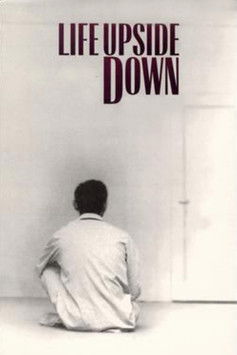
A Paris real estate developer feels compelled to withdraw from his seemingly perfect life into a world of his own. Is the man going insane? By conventional standards, maybe, but it's clear that the life he's fleeing is madder still from his point of view, and since that point of view is unfailingly witty and astute, we even come to accept his delusions as more "real" than reality.
1976

1974

1959

1974
1966

1963
1970
2002
No reviews yet. Be the first to share your thoughts on this movie!
Use the rating form above to leave a star rating and optional review.