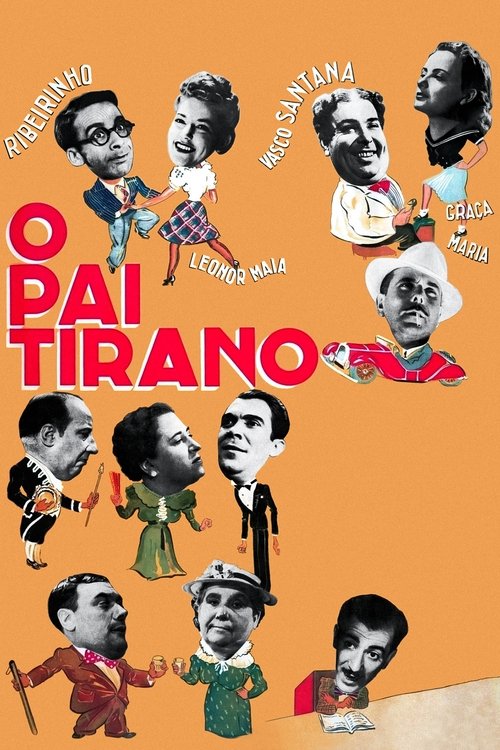
The Tyrannical Father
1941
No user ratings available yet
Representation score: 1.4 out of 10
Representation Score
Minimal
1945
Director
António Lopes Ribeiro
Runtime
108 minutes
Average Rating
No ratings yetNew Showbiz Analysis
The film is a product of its mid-20th-century Portuguese context, focusing on traditional romantic themes rather than progressive representation. The narrative structure reinforces established social hierarchies and conventional moral authority through its character dynamics. Gender roles appear limited by patriarchal structures, especially concerning the autonomy of female characters. The lack of diverse identities or varied perspectives reflects the era's homogeneous social norms. Ultimately, the work functions as a traditional comedy-romance that upholds the status quo rather than challenging systemic norms.
Category Breakdown
The film focuses on a heterosexual love triangle involving Eduardo, Isabel, and Mariana. It does not include any characters with non-binary gender identities or narratives that challenge traditional gender norms.
The story centers around male romantic interests and female archetypes. Isabel demonstrates some ability to act as an actress, while Mariana's overprotected status suggests a patriarchal framework that limits female autonomy.
The production reflects the homogeneous demographic profile of 1940s Portugal. There is no evidence of diverse character arcs or intentional inclusion of actors from various racial or ethnic backgrounds.
Uncle Plácido serves as a moral teacher, reinforcing traditional values. The plot emphasizes conventional family structures and social hierarchies.
There is no indication that disability or neurodivergence plays a central role in the narrative. The story does not feature characters driven by chronic illness or physical impairments.
Present on Screen
Limited or Absent
Official Synopsis
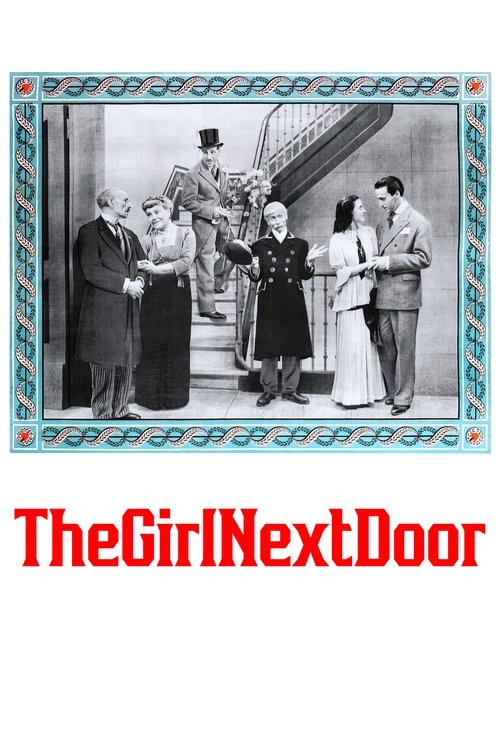
The story of how the conflicting relationship of Eduardo and vaudeville actress Isabel is affected by the passion he feels for their neighbor, Mariana, a young overprotected, and the unexpected visit of his uncle Plácido, a moral teacher.
1941
1958
1951

2022
1953
1942
1942
1953
No reviews yet. Be the first to share your thoughts on this movie!
Use the rating form above to leave a star rating and optional review.