
The Girl Next Door
1945
No user ratings available yet
Representation score: 1.4 out of 10

Representation Score
Minimal
1941
Director
António Lopes Ribeiro
Runtime
114 minutes
Average Rating
No ratings yetNew Showbiz Analysis
The Tyrannical Father is a product of its era, functioning as a traditional comedy that upholds the social and cultural frameworks of mid-20th-century Portugal. The film's structure relies on established domestic and patriarchal norms rather than attempting to challenge them. Narratively, the film centers on masculine leadership and conventional romantic pursuits. This focus results in a lack of representation for underrepresented identities, including LGBTQ+ individuals and diverse racial groups. Ultimately, the work serves to reinforce the status quo of its time, prioritizing traditional Western institutions and social manners over progressive or disruptive storytelling.
Category Breakdown
The film lacks LGBTQ+ characters or narratives that challenge the assumption that everyone is straight or cisgender. It operates within conventional romantic comedy clichés that reinforce the idea that everyone's gender matches what they were assigned at birth.
The narrative focuses on patriarchal authority, as suggested by the title. It reinforces traditional gender hierarchies by positioning male figures as central authorities.
The production reflects a homogeneous European demographic typical of 1941 Portugal. There is no evidence of diverse casting or non-white representation.
Themes focus on family dynamics and the maintenance of traditional social order. The film prioritizes conventional morality over secularist or anti-religious messaging.
There is no discernible evidence regarding the portrayal of physical or neurodivergent disabilities in the film.
Present on Screen
Limited or Absent
Official Synopsis
While rehearsing the annual play, a clerk tries to regain the attention of his beloved, in a comedy of equivoques.
1945
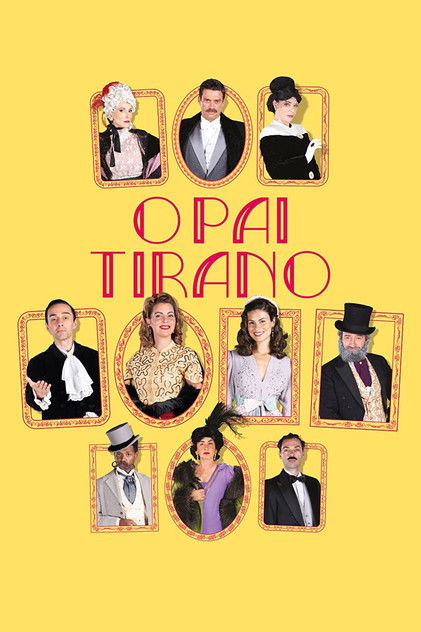
2022

2007

1942

1943

1949
1954

1954
No reviews yet. Be the first to share your thoughts on this movie!
Use the rating form above to leave a star rating and optional review.