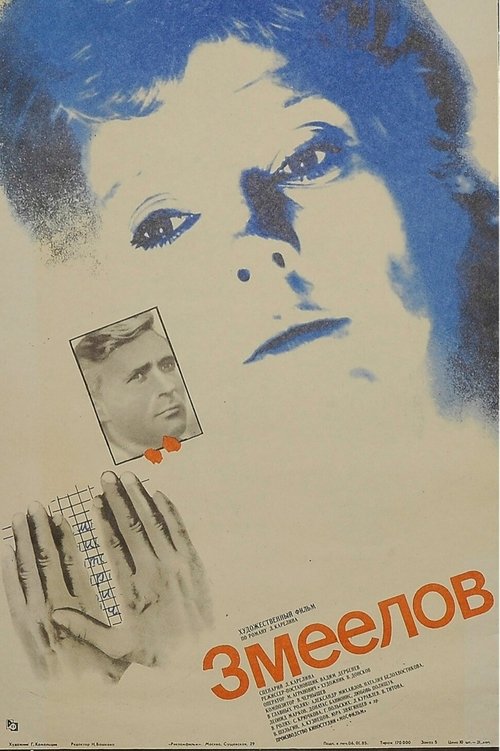
Snake Catcher
1986
No user ratings available yet
Representation score: 2.4 out of 10

Representation Score
Limited
1997
RDirector
Pavel Chukhray
Runtime
96 minutes
Average Rating
No ratings yetNew Showbiz Analysis
The Thief is a character-driven drama that focuses on historical and institutional critique rather than demographic diversity. While it does not include LGBTQ+ individuals or those with disabilities, it provides a sophisticated look at survival within a totalitarian regime. The film's strength lies in its cultural depth, particularly in dismantling the myth of the virtuous state. It explores moral relativism and the necessity of deception in an oppressive system. However, the narrative remains tied to traditional social structures. Gender roles are primarily shaped by maternal and paternal archetypes, and the ethnic landscape is strictly homogeneous to reflect its specific historical context.
Category Breakdown
The film centers on a relationship between a mother, her son, and another male figure, reinforcing the idea that everyone is straight. There are no LGBTQ+ identities or critiques of heteronormativity.
Katya is central to the emotional storyline, but her role is defined by her romantic and maternal connections. The story emphasizes traditional masculine roles of protection and providing for others.
The setting shows a mostly uniform Slavic population typical of the post-World War II Soviet Union. It reflects historical demographics without incorporating diverse ethnic backgrounds.
The film deeply examines the ideal Soviet citizen and portrays criminal behavior as a means of survival against an oppressive and unstable government.
There is no significant depiction of physical, neurological, or mental health disabilities. These conditions do not influence character development or the plot.
Present on Screen
Limited or Absent
Official Synopsis
Katya and her 6-year-old son Sanya, who, in 1952, meet a veteran Soviet officer named Tolyan. Katya falls in love with Tolyan, who turns out to be a small time criminal, but who also becomes a father figure to Sanya ...
1986
1974
1960

1952

2010

2018
1975
1992
No reviews yet. Be the first to share your thoughts on this movie!
Use the rating form above to leave a star rating and optional review.