
Les Mains négatives
1978
No user ratings available yet
Representation score: 7.2 out of 10
Representation Score
Fair
1973
Director
Marguerite Duras
Runtime
83 minutes
Average Rating
No ratings yetNew Showbiz Analysis
Marguerite Duras centers female subjectivity, effectively disrupting traditional patriarchal models of cinema. By focusing on domesticity and internal monologue, the film elevates the female experience. However, the homogeneous cast limits engagement with a broader range of human experiences. Ultimately, the film excels as a postmodern exploration of identity and memory, prioritizing the internal life of its protagonist.
Category Breakdown
The film explores intimacy through a fragmented, memory-based lens rather than explicit themes. It challenges assumptions about straight relationships by centering connections between women.
Duras shifts focus away from male-driven action to highlight the intellectual and emotional lives of women. She places great importance on the domestic sphere as a site of profound thought and existence.
The cast is relatively homogeneous, reflecting a white, European intellectual milieu. It does not actively engage with racial diversity or deconstruct Anglo-centric norms.
The narrative embraces moral relativism and subjective truth through an autofictional framework. It favors personal truths and the fluidity of memory over objective reality.
There is no significant evidence regarding the portrayal of physical or neurodivergent disabilities within the film.
Present on Screen
Limited or Absent
Official Synopsis
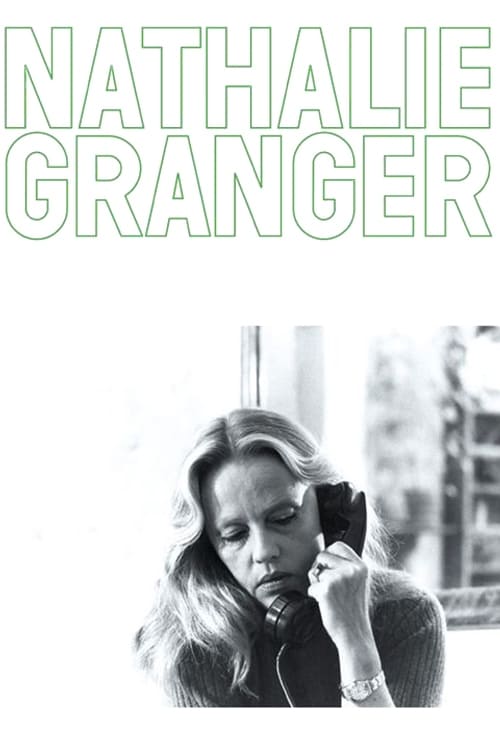
With little or no embellishment, filmmaker Marguerite Duras offers a simple, often wordless chronicle of a woman's day. She and her friend are seen doing yard work, talking about their families and receiving the occasional visitor. The brightest spot in the day is when a washing machine salesman comes to call.
1978

1976

1973

1960

1981

1979

1984

1979
No reviews yet. Be the first to share your thoughts on this movie!
Use the rating form above to leave a star rating and optional review.