Le Révélateur
1968
No user ratings available yet
Representation score: 5.2 out of 10
Representation Score
Fair
1968
Director
Philippe Garrel
Runtime
60 minutes
Average Rating
No ratings yetNew Showbiz Analysis
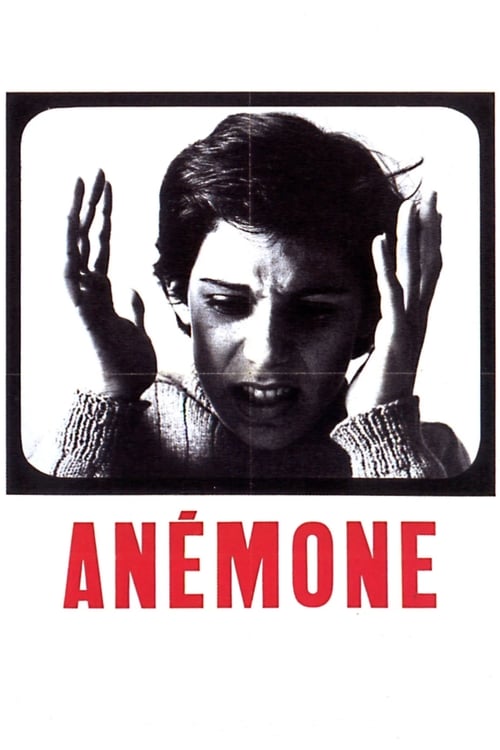
Philippe Garrel’s Anémone is a stylistic disruption that prioritizes psychological depth over traditional plot. It functions as a character study exploring the intersection of art, class, and identity. The film excels in its cultural subversion, using a fragmented aesthetic to challenge bourgeois social structures. It favors subjective truth over institutionalized norms. However, the work is limited by its era-specific social setting. The focus on a specific Parisian social class results in a lack of racial and multi-layered breadth.
Category Breakdown
The film's avant-garde roots suggest a departure from assumptions about straight relationships. However, specific depictions of diverse gender identities are not explicitly detailed in the narrative.
By centering on a young girl's perspective, the film challenges the traditional male-centric gaze. It explores the tension between women's ability to drive the story and patriarchal influence.
The setting within the 1968 Parisian bourgeoisie suggests demographic homogeneity. There is no evidence of casting actors from different racial backgrounds or disrupting Western norms.
The narrative prioritizes individual expression and existential inquiry over religious dogma. It challenges the stability of bourgeois institutions through an artistic lens.
There is no evidence regarding the portrayal of physical or neurodivergent disabilities in this work.
Present on Screen
Limited or Absent
Official Synopsis
The portrait of a young girl from the Parisian bourgeoisie. As a brief shot indicates us, it could have been called "Portrait of the artist as a young girl." though probably "young girl" is just a previous title, but the style and the presence of the Father leaves no doubt about who paints and who's hiding behind the young girl.
1968
1967

1976
1972
1991

1958
1979
1975
No reviews yet. Be the first to share your thoughts on this movie!
Use the rating form above to leave a star rating and optional review.