The Bridegroom, the Actress, and the Pimp
1968
No user ratings available yet
Diversity score: 6.8 out of 10
1977
Director
Marguerite Duras
Runtime
76 minutes
Average Rating
No ratings yetSynopsis
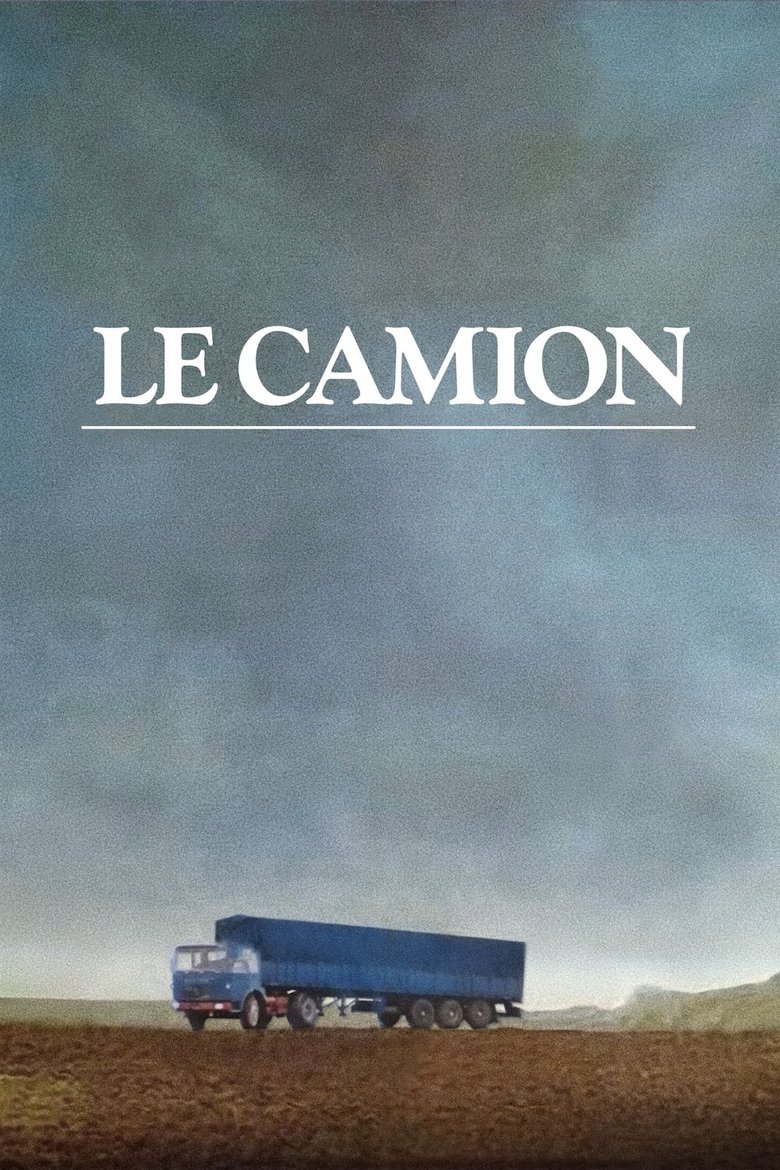
In this most talky and personal of films, director Marguerite Duras and actor Gerard Depardieu do an on-camera read-through of a movie script. Occasionally, the director comments about the characters or their motivations, and sometimes the actor does. That's all -- there is no action, there are no location shots, no one pretends to be anything else. The script itself tells about an encounter between a blank-slate of a woman hitchhiker, and a communist truck driver. As the reading progresses, Duras comments bitterly about the failed ideals of communism and the glorious revolution that will probably never happen.
Overall Score
Good
Category Breakdown
LGBTQ+ Representation
The film explores unconventional intimacy and the breakdown of traditional romantic structures. While specific queer identities are not explicitly confirmed, the narrative focuses on non-heteronormative human connections.
Gender Representation
Duras disrupts gender hierarchies by centering a female protagonist and utilizing a female director's perspective. The meta-cinematic format shifts agency away from traditional masculine storytelling toward intellectual interrogation.
Racial & Ethnic Diversity
The narrative focuses on a localized, interpersonal encounter. There is no explicit evidence of a diverse or non-Anglo-Saxon majority cast within the film.
Religious & Cultural Diversity
The film offers a biting critique of failed communist ideals and stagnant revolutionary movements. It prioritizes philosophical reflection over standard Western cinematic tropes and plot-driven morality.
Disability Representation
The film provides no information regarding the portrayal of physical or neurodivergent disabilities.
Strengths
Areas for Improvement
AI Analysis
The Lorry is an experimental work that prioritizes ideological and psychological depth over traditional cinematic spectacle. It succeeds in subverting gendered storytelling through its meta-textual structure and female-led intellectual framework. However, the film lacks visible demographic breadth. The focus on a localized, interpersonal encounter results in limited racial and ethnic diversity. Ultimately, the film serves as a deconstruction of political mythologies rather than a broad representation of diverse social identities.
1968

1975

1982
1972
2022
1958
1984
1976

2005
1978

1963
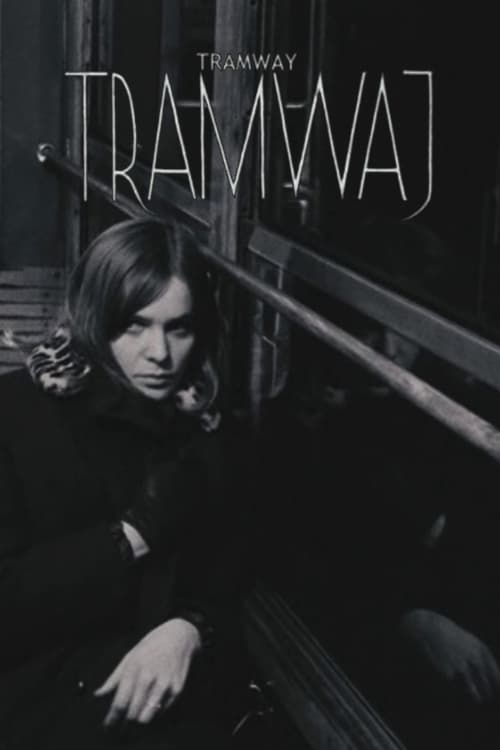
1966
No reviews yet. Be the first to share your thoughts on this movie!
Use the rating form above to leave a star rating and optional review.