Norte, the End of History
2014
No user ratings available yet
Representation score: 6.8 out of 10
Representation Score
Fair
2002
Director
Adoor Gopalakrishnan
Runtime
90 minutes
Average Rating
No ratings yetNew Showbiz Analysis
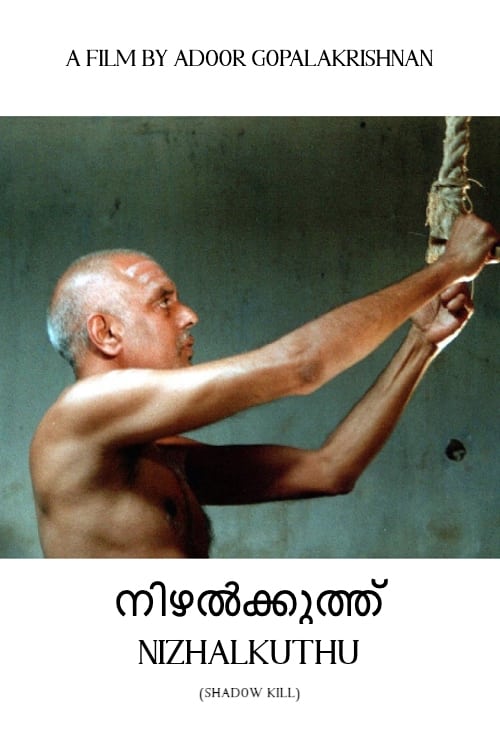
Shadow Kill is a profound examination of the morality of state-sanctioned death. It succeeds by centering a non-Western perspective that challenges the perceived perfection of judicial systems. The film's strength lies in its ability to use a localized Indian context to interrogate universal themes of justice and systemic error. This provides a necessary counter-narrative to Western-centric cinematic norms. However, the film's narrow focus on a single protagonist's moral struggle results in a lack of visible representation for LGBTQ+ identities and disability. The narrative depth is concentrated on institutional critique rather than demographic breadth.
Category Breakdown
The film does not include explicit LGBTQ+ characters or narratives. Its focus on a single protagonist's existential crisis may limit broader explorations of non-straight identities.
The narrative emphasizes individual conscience over traditional social roles. While specific character dynamics are not detailed, the film questions institutional authority, disrupting traditional power hierarchies.
As an Indian film, it offers a vital non-Western perspective. It challenges Western cinematic norms by presenting a localized view on universal ethical dilemmas.
The film critiques the perceived infallibility of judicial frameworks. By showing the state as a source of systemic error, it prioritizes subjective moral truth over rigid legalism.
There is no documented evidence of characters with physical or neurodivergent disabilities within the narrative.
Present on Screen
Limited or Absent
Official Synopsis
A hangman questions the moral implications of his job after learning that he executed an innocent man.
2014

1989
1962

2010

1988
2019

2011
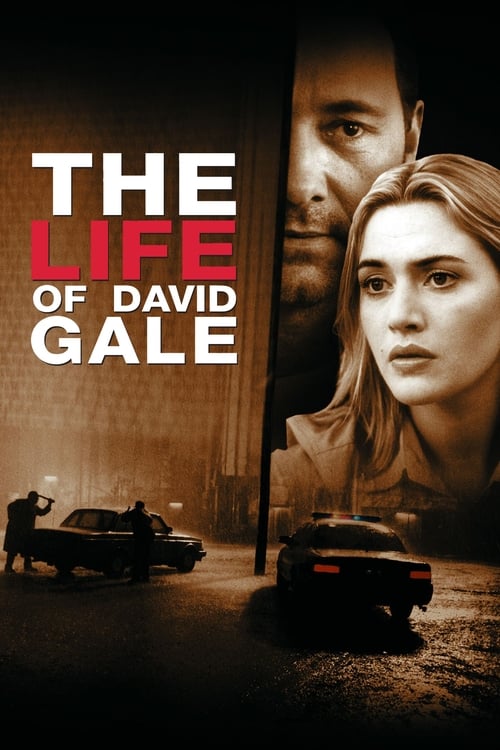
2003
No reviews yet. Be the first to share your thoughts on this movie!
Use the rating form above to leave a star rating and optional review.