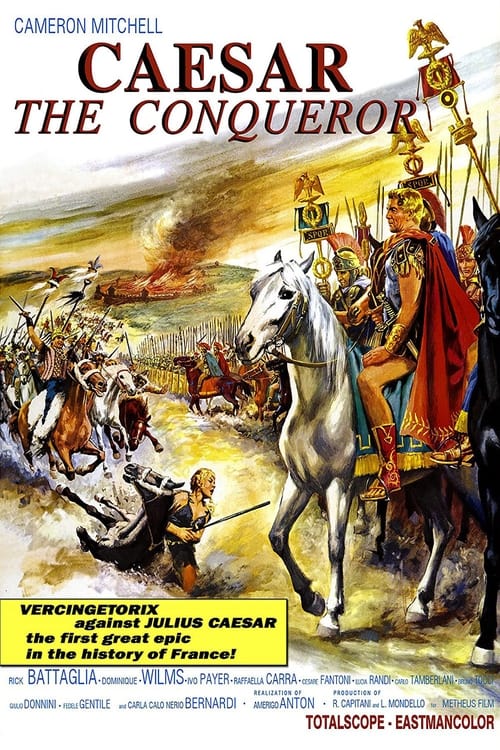
Caesar The Conqueror
1962
No user ratings available yet
Representation score: 0.5 out of 10
Representation Score
Minimal
1961
NRDirector
Carlo Campogalliani
Runtime
96 minutes
Average Rating
No ratings yetNew Showbiz Analysis
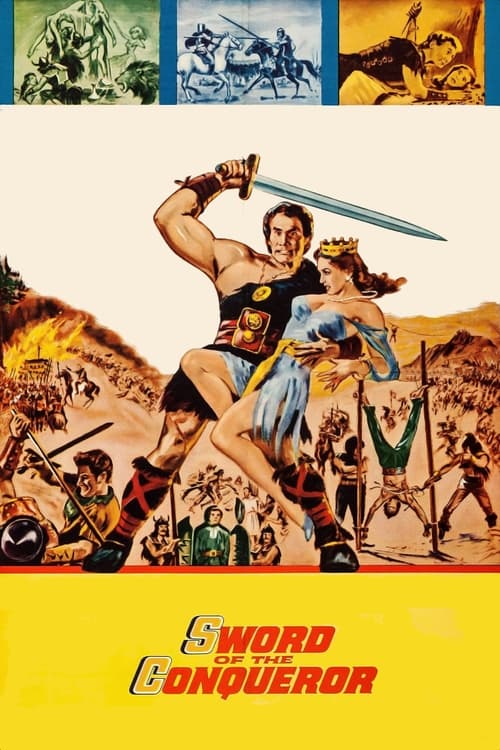
Sword of the Conqueror is a classic example of the 1960s Peplum genre, emphasizing mythic archetypes over social complexity. The film adheres to the commercial conventions of its time, focusing on traditional heroism and Eurocentric casting. The narrative reinforces established hierarchies of gender and ethnicity. It lacks depth in exploring multiple aspects of identity, instead presenting a straightforward historical adventure centered on masculine conquest and traditional power structures. Ultimately, the film serves as escapist entertainment rather than a platform for progressive social commentary or challenging identity norms.
Category Breakdown
The film follows a strictly heterosexual storyline, focusing on a romantic conflict between a king's daughter and two male characters. There is no depiction of same-sex relationships.
Rosmunda plays a central role in the plot, but her influence is largely reactive. The narrative is driven by masculine figures who embody conquest and physical strength.
The casting is predominantly white, featuring European and American actors. The film reflects a Eurocentric perspective typical of the 1961 Italian Peplum genre.
The story relies on traditional motifs of honor and tribal leadership, functioning as an escapist adventure that upholds conventional ideas of heroism and power.
There is no representation of physical or neurodivergent disabilities. Trauma resulting from combat is used solely as a plot device to advance character development and rebellion.
Present on Screen
Limited or Absent
Official Synopsis
Alboino, the Lombard ruler, wants to marry the daughter of a neighboring king, but she loves another. Her father arranges the marriage to Alboino, which he believes will be beneficial to him, only to have Alboino kill him and leave Amalchi, his daughter's real love, beaten and left for dead. Amalchi recovers to lead a revolt against the murderous Alboino and reclaim his woman.
1962

1958
1960

1954
1961

1962

1953
1972
No reviews yet. Be the first to share your thoughts on this movie!
Use the rating form above to leave a star rating and optional review.