Buddha's Lost Children
2006
No user ratings available yet
Diversity score: 6.3 out of 10
2013
Director
Andrew Leavold
Runtime
92 minutes
Average Rating
No ratings yetSynopsis
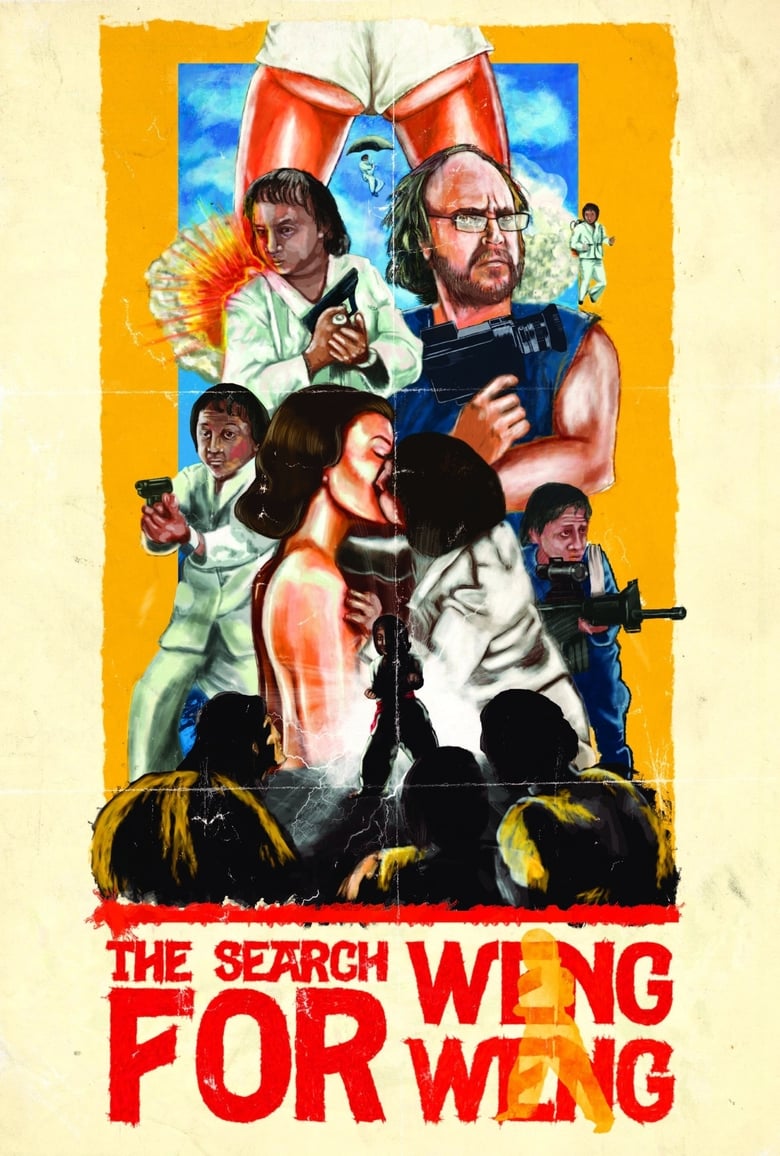
The bizarre history of Filipino B-films, as told through filmmaker Andrew Leavold's personal quest to find the truth behind its midget James Bond superstar Weng Weng.
Overall Score
Good
Category Breakdown
LGBTQ+ Representation
The film lacks explicit LGBTQ+ narratives or non-cisnormative identities. While it explores the outsider status of a cult icon, there is no evidence of queer-coded characters or critiques of heteronormativity.
Gender Representation
The narrative focuses on the male-dominated genre of 1980s action cinema. It lacks significant subversion of traditional masculinity or the inclusion of female agency within the historical context.
Racial & Ethnic Diversity
The documentary excels by centering Southeast Asian cultural history. It disrupts Anglo-centric film scholarship by treating Filipino B-movie history as a legitimate and important subject of study.
Religious & Cultural Diversity
The film validates the outsider status of exploitation cinema through a lens of cultural relativism. It examines the socioeconomic realities of filmmaking in the Philippines without promoting Western cinematic superiority.
Disability Representation
The film treats Ernesto de la Cruz’s dwarfism as a core component of his professional agency. It avoids mockery, instead exploring how he navigated the industry to become a legitimate icon.
Strengths
Areas for Improvement
AI Analysis
The documentary serves as a restorative piece of media that disrupts Western-centric film hierarchies. Its primary strength is the reclamation of Southeast Asian cinematic history, treating Filipino B-movies with scholarly respect rather than as mere curiosities. However, the film remains narrow in its social scope. It lacks engagement with LGBTQ+ identities and provides little room for female agency, remaining tethered to the masculine archetypes of the action genre. Ultimately, the film's value is found in its intersectional approach to disability and regional identity, successfully centering a person with dwarfism as a driver of global cultural phenomena.
2006
2008
2001
2017
2023

2016

1980
2020

2016
2018
2014
2005
No reviews yet. Be the first to share your thoughts on this movie!
Use the rating form above to leave a star rating and optional review.