Surviving Picasso
1996
No user ratings available yet
Representation score: 2.6 out of 10
Representation Score
Limited
1994
PG-13Director
Brian Gilbert
Runtime
115 minutes
Average Rating
No ratings yetNew Showbiz Analysis
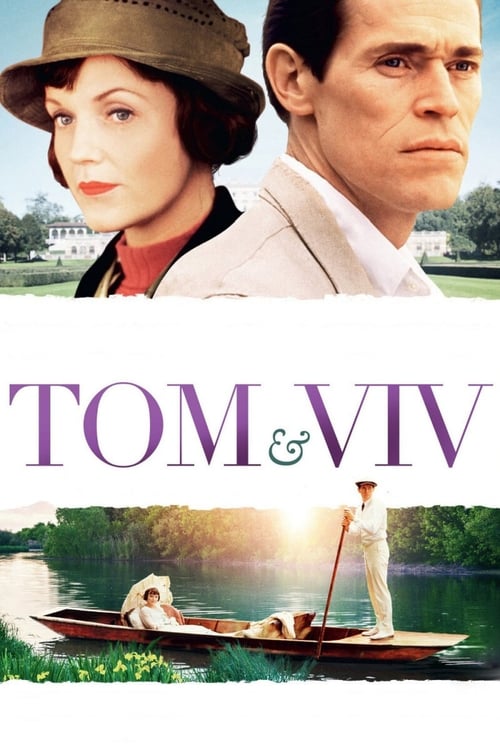
Tom & Viv is a traditional biographical drama that prioritizes historical accuracy over social disruption. It focuses on the specific experiences of the Western intellectual class during the early-to-mid 20th century. The film offers a nuanced look at the friction within a marriage and the impact of health struggles. However, it lacks the intentionality needed to challenge established hierarchies of gender, race, or social structure. Ultimately, the film serves as a character study of historical figures rather than a tool for contemporary social restructuring.
Category Breakdown
The film focuses on the heterosexual marriage between T.S. Eliot and Vivienne Haigh-Wood, lacking any queer subtext or diverse gender identities within the main relationship.
Vivienne is portrayed with emotional depth, avoiding the cliché of the perfect wife. However, her character is frequently defined by gynecological and emotional struggles, which might risk emphasizing pathology.
The cast reflects the predominantly white, Anglo-Saxon social circles of the British intellectual elite. It functions as a localized study of Western literary history without incorporating multicultural casting.
The narrative operates within the framework of Western high culture and the literary canon. It avoids deconstructing traditional social hierarchies or promoting secularism as a primary theme.
The film provides visibility to Vivienne's chronic health and psychological struggles. However, there is a risk of using her medical condition as a mere catalyst for the protagonist's growth.
Present on Screen
Limited or Absent
Official Synopsis
The story of the marriage of the poet T. S. Eliot to socialite Vivienne Haigh-Wood, which had to cope with her gynaecological and emotional problems and his growing fame.
1996
1964
2009

2013
1999
2003
1962
2001
No reviews yet. Be the first to share your thoughts on this movie!
Use the rating form above to leave a star rating and optional review.