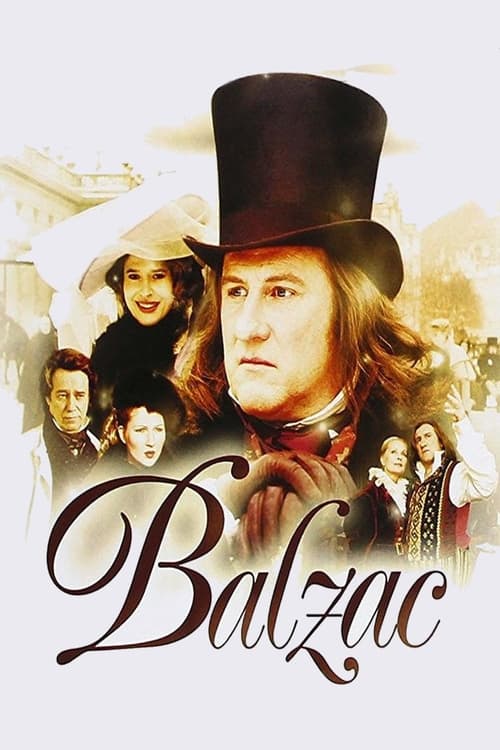
Balzac: A Life of Passion
1999
No user ratings available yet
Representation score: 5.3 out of 10

Representation Score
Fair
2006
Not RatedDirector
Raúl Ruiz
Runtime
97 minutes
Average Rating
No ratings yetNew Showbiz Analysis
Raúl Ruiz’s portrait of Gustav Klimt is a postmodernist exploration of art and memory rather than a study of social identity politics. It prioritizes aesthetic abstraction and psychological depth over traditional moral or social structures. The film succeeds in challenging conventional narrative expectations through its fragmented, subjective truth. By rejecting linear history, it offers a non-traditional perspective on how we perceive the past. However, the work lacks explicit representation of racial and LGBTQ+ diversity. The focus on a specific historical milieu and the absence of identity-driven character arcs limit the scope for broader diversity.
Category Breakdown
The film explores eroticism and a fluid approach to desire through the artist's psyche. However, it lacks explicit depictions of same-sex intimacy or clearly defined non-cisgender identities.
The narrative centers on the relationship between the creator and the muse. Ruiz uses a surrealist lens to move women beyond passive roles, making them integral components of a psychological landscape.
Set in fin-de-siècle Vienna, the film adheres to the demographic realities of that era. The focus on internal aesthetic lives limits the scope for broader racial diversity.
The film embraces postmodern subjectivity by prioritizing a dreamlike reality over rigid historical chronicles. It disrupts traditional Western emphasis on linear progress and institutional stability.
There is no significant evidence regarding the depiction of physical or neurodivergent disabilities within the narrative.
Present on Screen
Limited or Absent
Official Synopsis
A portrait of Austrian artist Gustav Klimt whose lavish, sexual paintings came to symbolize the art nouveau style of the late 19th and early 20th century.
1999
1996
2017
2012
2017

2009
2009
1986
No reviews yet. Be the first to share your thoughts on this movie!
Use the rating form above to leave a star rating and optional review.