Auguri professore
1997
No user ratings available yet
Representation score: 4.3 out of 10
Representation Score
Good
1995
Director
Daniele Luchetti
Runtime
104 minutes
Average Rating
No ratings yetNew Showbiz Analysis
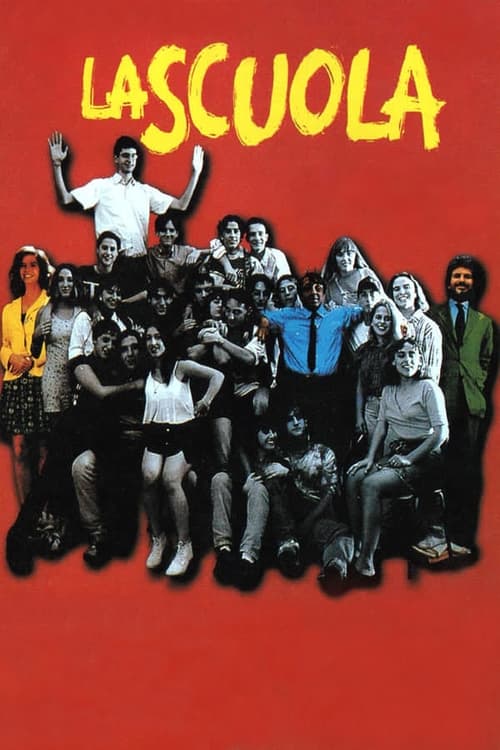
La scuola is a period piece that prioritizes class-based stratification and institutional critique over individual identity politics. It successfully deconstructs traditional authority figures, providing a sophisticated look at how systemic frameworks shape human development during the 1970s. While the film offers a nuanced view of professional hierarchies and gendered roles among educators, it remains limited in its representation of underrepresented identities. The absence of LGBTQ+ and disability narratives restricts its breadth as a modern inclusive text. Ultimately, the film's strength lies in its cultural commentary. It uses the classroom as a microcosm to explore the tension between social control and individual ability to act, making it a compelling study of political and social evolution.
Category Breakdown
The film does not include any explicit LGBTQ+ characters or storylines. Instead, it focuses on the socio-political dynamics of the classroom and pedagogical changes.
The narrative includes both male and female educators, challenging traditional expectations of authority. Students play a significant role in driving the story, regardless of gender.
Set in a 1970s Italian suburb, the film reflects the era's urban demographics. However, it emphasizes class struggle and institutional critique over explicit racial or ethnic diversity.
The film effectively critiques Western institutions, presenting the school system as a mechanism of social control. It supports student rebellion as a response to an oppressive system.
There is no significant focus on neurodivergence or physical disability. The story centers on the collective experience of the faculty and student body.
Present on Screen
Limited or Absent
Official Synopsis
In a high school in the outskirts of Rome, it's the last day before the summer holidays. A literature teacher reminisces the past year and wonders what will become of the students he cared for as if they were his children.
1997

1988

2006
1997

2000

1999
1990
1995
No reviews yet. Be the first to share your thoughts on this movie!
Use the rating form above to leave a star rating and optional review.